
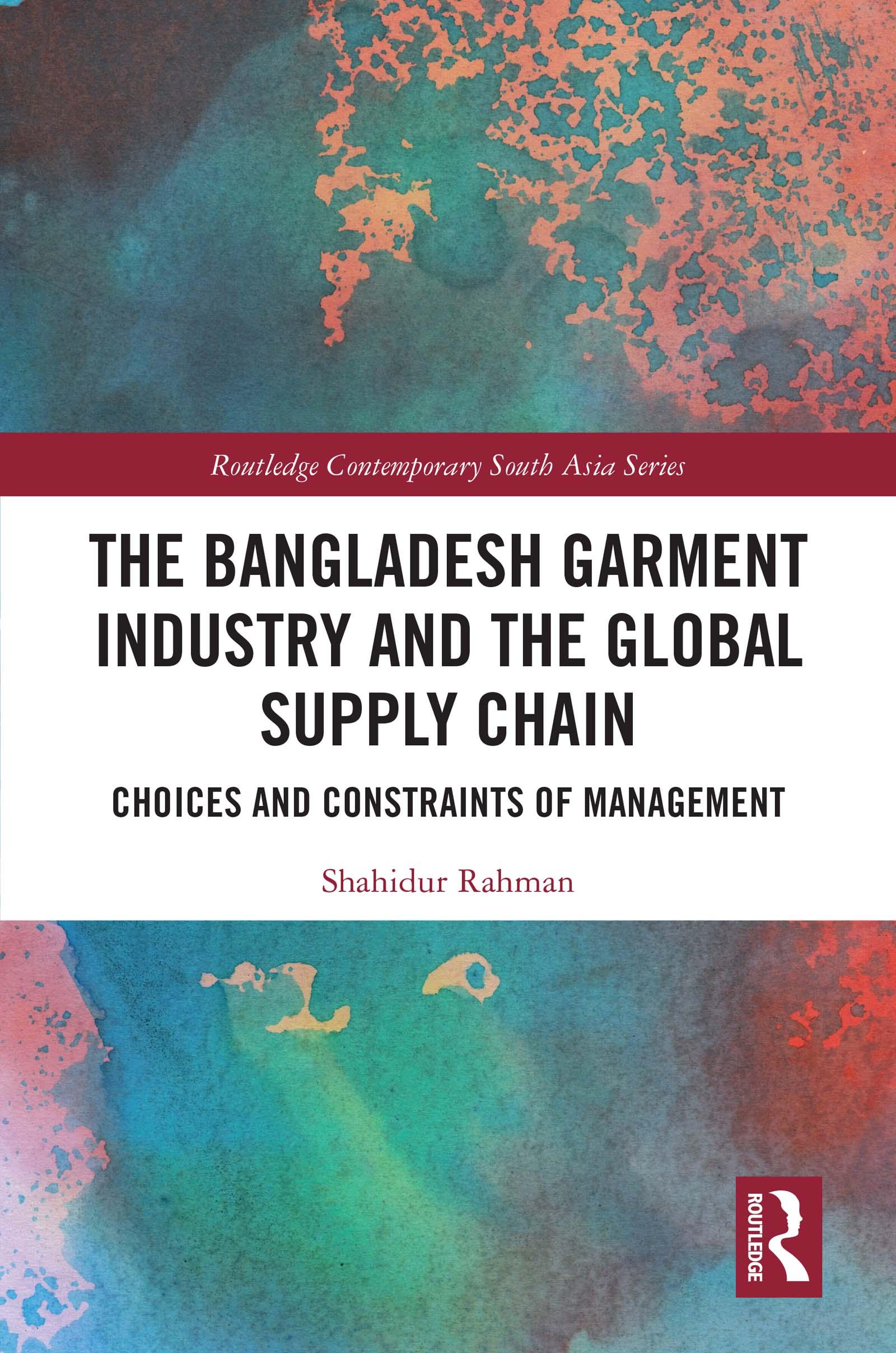
This book analyzes the choices and constraints of management within the Bangladesh garment industry and how management negotiates these challenges to ensure the global garment supply chain is sustainable.
Exploring the international South Asian garment industry and using middle management and the owners of Bangladeshi factories as a case study, the book assesses the limits and costs of globalization for Bangladesh, and outlines the challenges of the fast-fashion business model for the global market. It focusses on the changing dynamics of the entrepreneur class, how they manage factories and their experiences with Accord-Alliance, and the challenges of sustainability. Within these four broader themes, the author critically examines management strategies towards compliance and labour productivity, transnational governance, buyer–supplier relationships, and power dynamics. This book is the first to explore management’s perceptions of workers, buyers, and government through an analysis of four factories which demonstrate the role of mid-level management, how supervisors treat production workers, workers’ impact on innovation, welfare programmes as well as CSR policies, and the impact of COVID-19.
Offering new perspectives on Bangladesh’s garment export industry, this book will be of interest to researchers in the field of policy studies, labour studies, South and South-East Asian studies, development studies, international trade, and political science.
Betaal eenvoudig met kaart, Klarna, Apple Pay of Google Pay. Niet tevreden? Je hebt altijd 14 dagen bedenktijd. Lees meer in onze voorwaarden. Heb je vragen, mail ons dan via hello@memmo.org.
Memmo maakt studeren makkelijker – waar je ook bent ter wereld. Wij brengen je cursusboeken en slimme studietools samen op één plek: samenvattingen, quizzen, podcasts en flashcards. En Ted, je studievriend die antwoord geeft op alles wat je je afvraagt. Meer dan 50.000 studenten studeren hier al – gebouwd om je sneller te laten leren en minder stress te geven.