
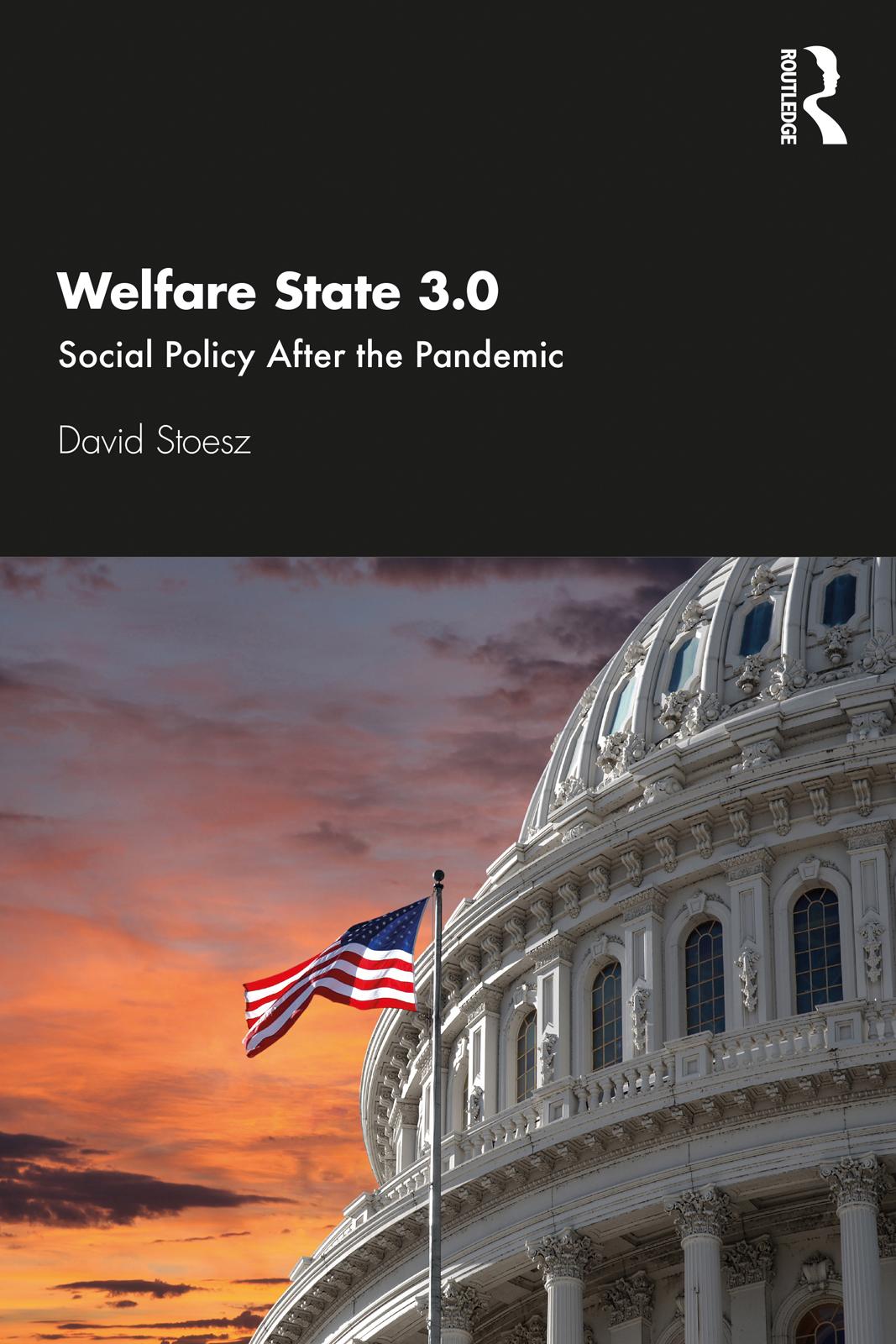
This book identifies specific changes to bring U.S. social policy in accord with the Information Age of the 21st century, in contrast to the policy infrastructure of industrial America.
Welfare State 3.0: Social Policy after the Pandemic acknowledges the existing social infrastructure, considers viable options, and provides supporting data to suggest social policy reform by four strategies: consolidating programs, harmonizing applications, expanding equity, and conducting experiments. The book favors discreet, poignant proposals of social programs. In 12 chapters, the text provides an analysis that honors past accomplishments, recognizes the influence of established stakeholders, and concedes program inadequacies, while plotting specific opportunities for policy improvement. In contrast to liberalism’s tendency toward idealism, the book adopts a realpolitik appreciation for social policy.
Written by one of the most respected academics of U.S. social policy, this book will be required reading for all undergraduate and postgraduate students of social policy, social work, sociology, and U.S. politics more broadly.
Betaal eenvoudig met kaart, Klarna, Apple Pay of Google Pay. Niet tevreden? Je hebt altijd 14 dagen bedenktijd. Lees meer in onze voorwaarden. Heb je vragen, mail ons dan via hello@memmo.org.
Memmo maakt studeren makkelijker – waar je ook bent ter wereld. Wij brengen je cursusboeken en slimme studietools samen op één plek: samenvattingen, quizzen, podcasts en flashcards. En Ted, je studievriend die antwoord geeft op alles wat je je afvraagt. Meer dan 50.000 studenten studeren hier al – gebouwd om je sneller te laten leren en minder stress te geven.