
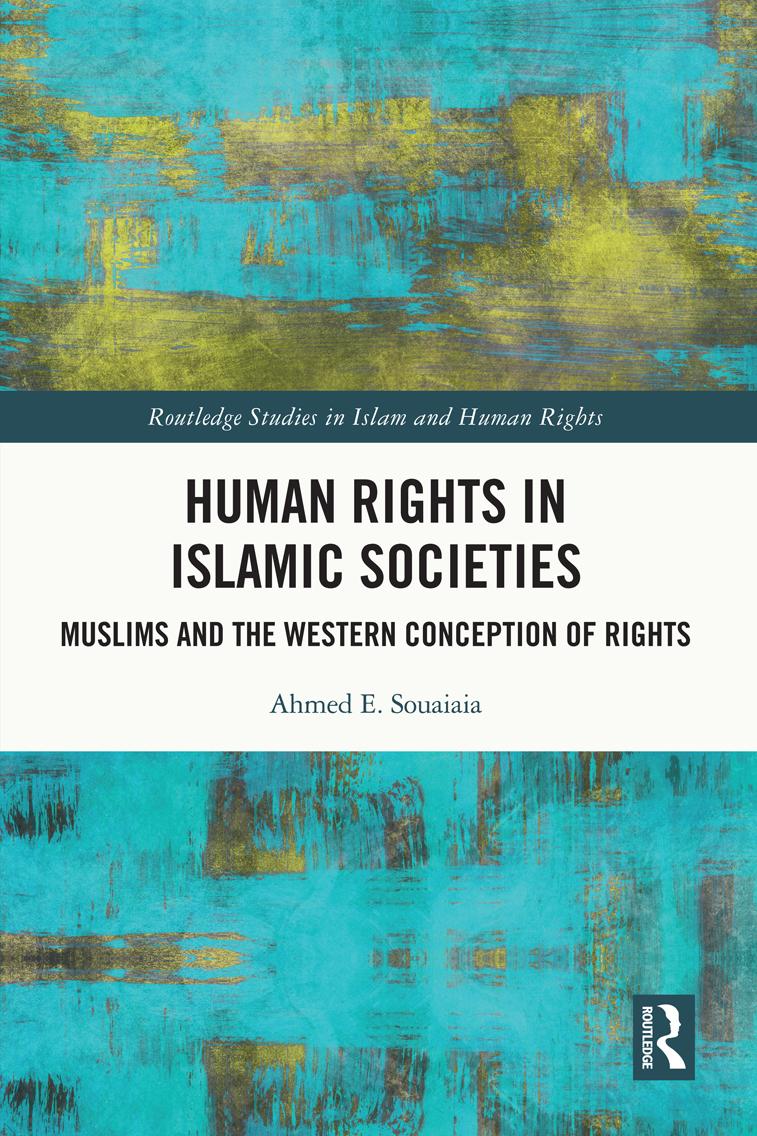
This book compares Islamic and Western ideas of human rights in order to ascertain which human rights, if any, can be considered universal. This is a profound topic with a rich history that is highly relevant within global politics and society today.
The arguments in this book are formed by bringing William Talbott’s Which Rights Should Be Universal? (2005) and Abdulaziz Sachedina’s Islam and the Challenge of Human Rights (2014) into conversation. By bridging the gap between cultural relativists and moral universalists, this book seeks to offer a new model for the understanding of human rights. It contends that human rights abuses are outcomes of complex systems by design and/or by default. Therefore, it proposes that a rigorous systems-thinking approach will contribute to addressing the challenge of human rights.
Engaging with Islamic and Western, historical and contemporary, and relativist and universalist thought, this book is a fresh take on a perennially important issue. As such, it will be a first-rate resource for any scholars working in religious studies, Islamic studies, Middle East studies, ethics, sociology, and law and religion.
Betaal eenvoudig met kaart, Klarna, Apple Pay of Google Pay. Niet tevreden? Je hebt altijd 14 dagen bedenktijd. Lees meer in onze voorwaarden. Heb je vragen, mail ons dan via hello@memmo.org.
Memmo maakt studeren makkelijker – waar je ook bent ter wereld. Wij brengen je cursusboeken en slimme studietools samen op één plek: samenvattingen, quizzen, podcasts en flashcards. En Ted, je studievriend die antwoord geeft op alles wat je je afvraagt. Meer dan 50.000 studenten studeren hier al – gebouwd om je sneller te laten leren en minder stress te geven.