
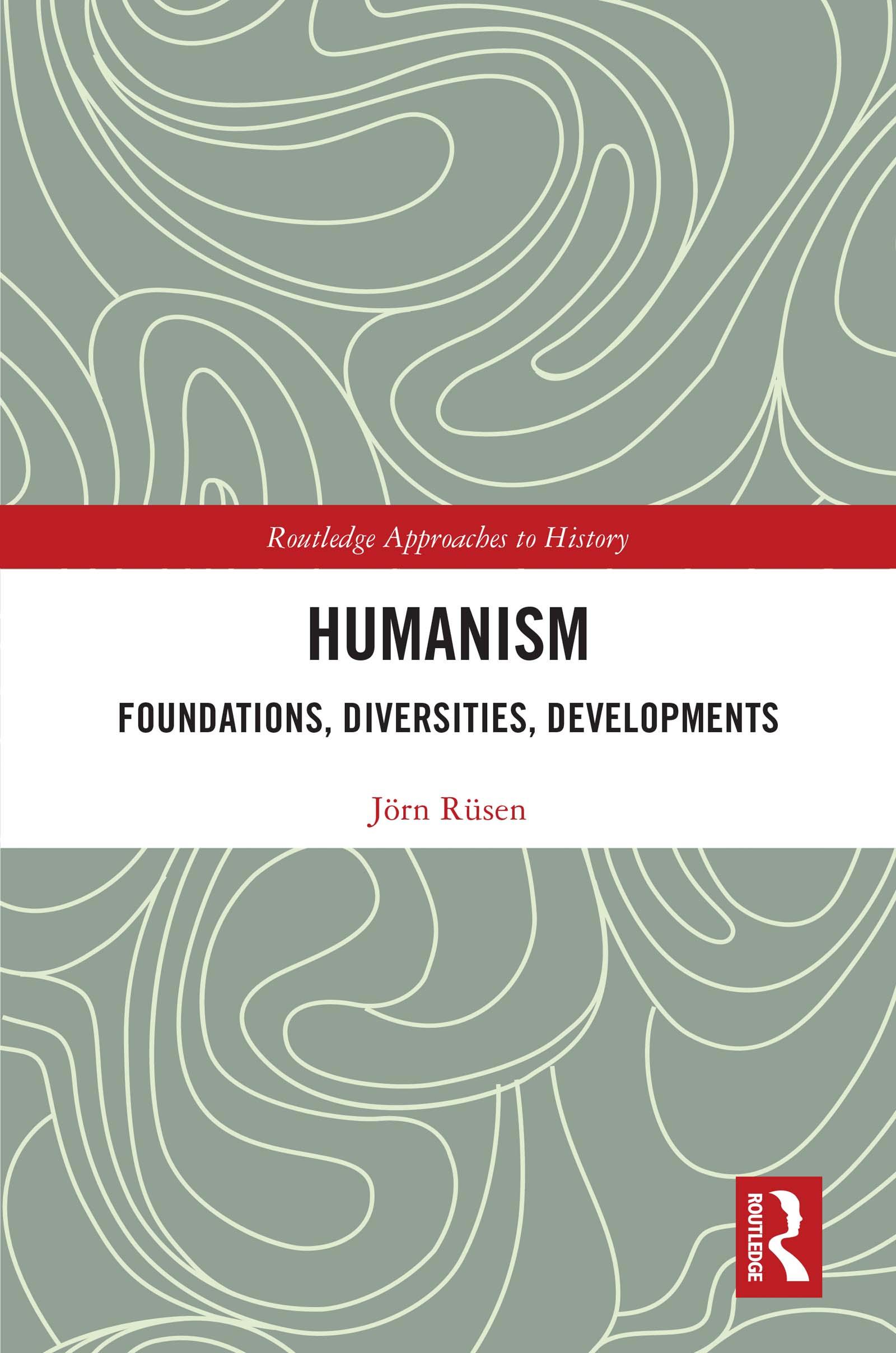
The book describes humanism in a systematic and historical perspective. It analyzes its manifestation and function in cultural studies and its role in the present.
Within the book, special attention is given to the intention of contemporary humanism to overcome ethno-centric elements in the cultural orientation of contemporary living conditions and to develop humane dimensions of this orientation. This is linked to a fundamental critique of the current post-human self-understanding of the humanities. Furthermore, the intercultural aspect in the understanding of humanism is emphasized; for non-Western cultures also have their own humanistic traditions. Two further aspects are also addressed: the Holocaust as the most radical challenge to humanistic thinking and the relationship of humanism to nature.
Sitting at the intersection of history and philosophy, the book is perfect for those exploring humanism from an historical perspective.
Betaal eenvoudig met kaart, Klarna, Apple Pay of Google Pay. Niet tevreden? Je hebt altijd 14 dagen bedenktijd. Lees meer in onze voorwaarden. Heb je vragen, mail ons dan via hello@memmo.org.
Memmo maakt studeren makkelijker – waar je ook bent ter wereld. Wij brengen je cursusboeken en slimme studietools samen op één plek: samenvattingen, quizzen, podcasts en flashcards. En Ted, je studievriend die antwoord geeft op alles wat je je afvraagt. Meer dan 50.000 studenten studeren hier al – gebouwd om je sneller te laten leren en minder stress te geven.