
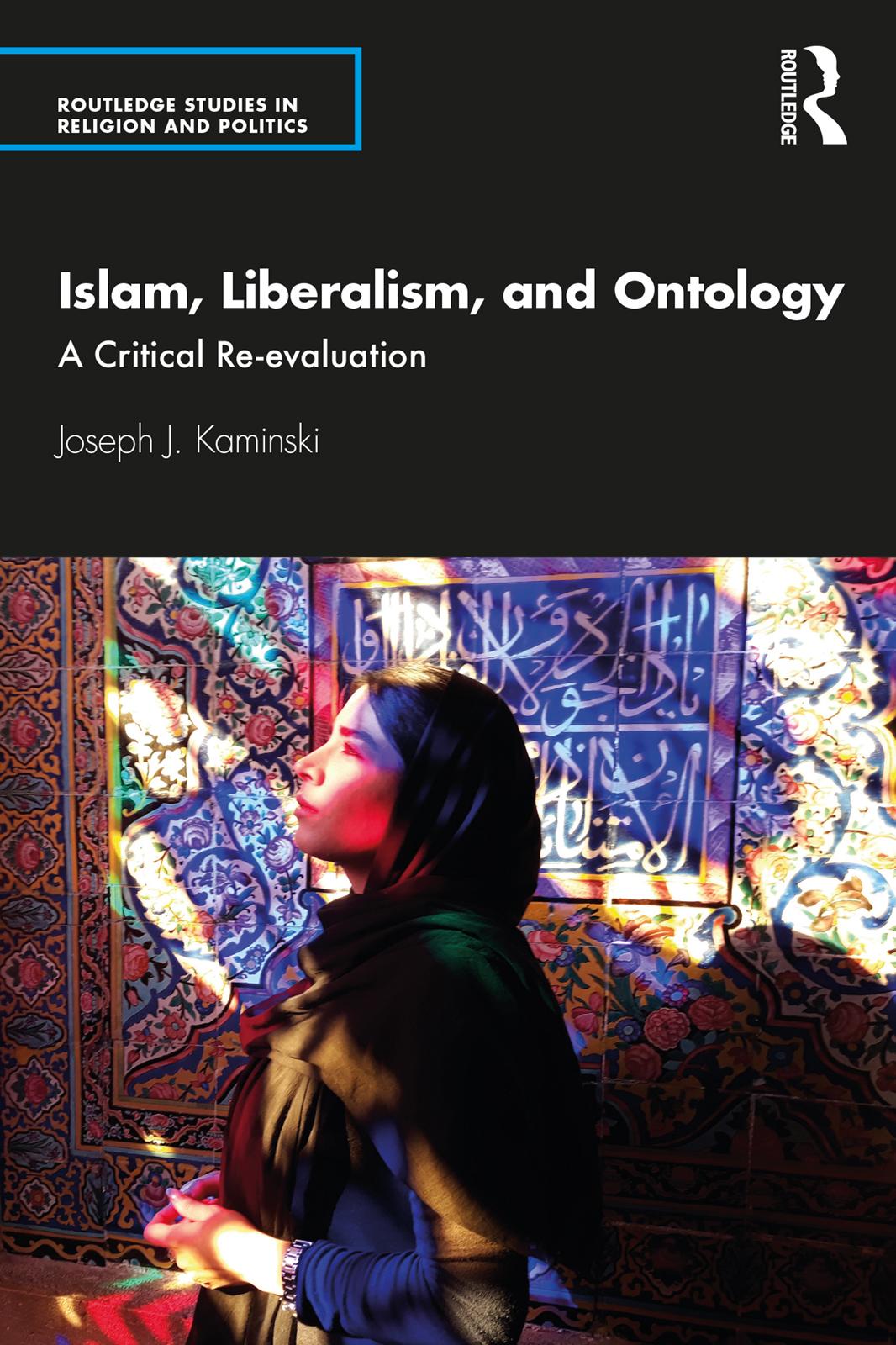
This book offers comparative ontologies of both Islam and liberalism as discourses more broadly construed.
The author argues that, despite recent efforts to speak of overlapping consensuses and discursive congruence, the fundamental categories that constitute "Islam" and "Liberalism" remain very different, and that these differences should be taken seriously. Thus far, no recent scholarly works have explicitly or meticulously broken down where these differences lie. The author rigorously explores questions related to rights, moral epistemologies, the role of religion in the public sphere, and more general approaches to legal discourse, via primary and canonical sources constitutive of both Islam and liberalism. He then goes on to articulate why communitarian modes of thought are better suited for engaging with Islam and contemporary socio-political modes of organization than liberalism is.
This book will be of great interest to students and scholars of politics and international relations, Islam, liberalism, and communitarianism.
Betaal eenvoudig met kaart, Klarna, Apple Pay of Google Pay. Niet tevreden? Je hebt altijd 14 dagen bedenktijd. Lees meer in onze voorwaarden. Heb je vragen, mail ons dan via hello@memmo.org.
Memmo maakt studeren makkelijker – waar je ook bent ter wereld. Wij brengen je cursusboeken en slimme studietools samen op één plek: samenvattingen, quizzen, podcasts en flashcards. En Ted, je studievriend die antwoord geeft op alles wat je je afvraagt. Meer dan 50.000 studenten studeren hier al – gebouwd om je sneller te laten leren en minder stress te geven.