
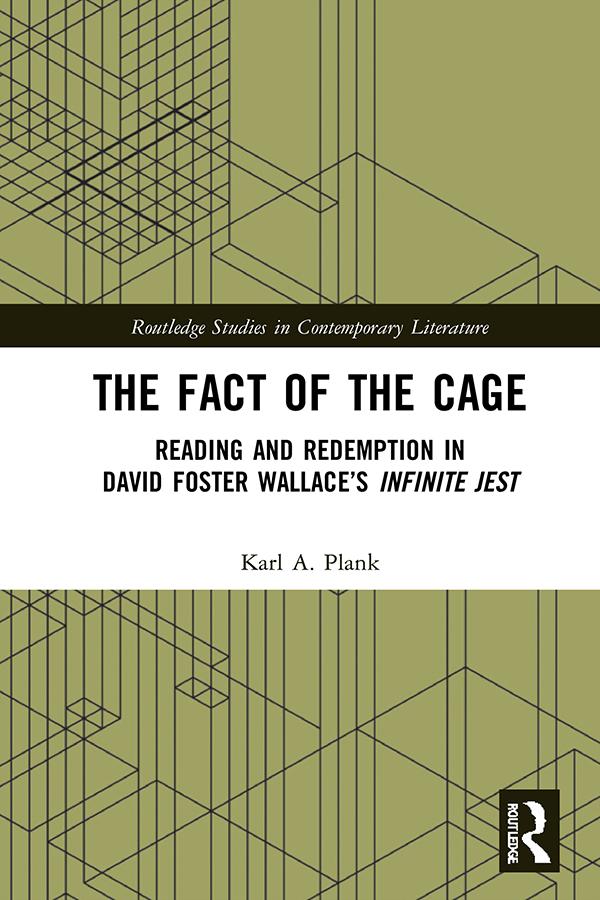
David Foster Wallace’s Infinite Jest raised expectations of what a novel might do. As he understood fiction to aim at what it means to be human, so he hoped his work might relieve the loneliness of human suffering. In that light, The Fact of the Cage shows how Wallace’s masterpiece dramatizes the condition of encagement and how it comes to be met by "Abiding" and through inter-relational acts of speaking and hearing, touching, and facing. Revealing Wallace’s theology of a "boneless Christ," The Fact of the Cage wagers that reading such a novel as Infinite Jest makes available to readers the redemption glimpsed in its pages, that reading fiction has ethical and religious significance—in short, that reading Infinite Jest makes one better. As such, Plank’s work takes steps to defend the ethics of fiction, the vital relation between religion and literature, and why one just might read at all.
Betaal eenvoudig met kaart, Klarna, Apple Pay of Google Pay. Niet tevreden? Je hebt altijd 14 dagen bedenktijd. Lees meer in onze voorwaarden. Heb je vragen, mail ons dan via hello@memmo.org.
Memmo maakt studeren makkelijker – waar je ook bent ter wereld. Wij brengen je cursusboeken en slimme studietools samen op één plek: samenvattingen, quizzen, podcasts en flashcards. En Ted, je studievriend die antwoord geeft op alles wat je je afvraagt. Meer dan 50.000 studenten studeren hier al – gebouwd om je sneller te laten leren en minder stress te geven.