
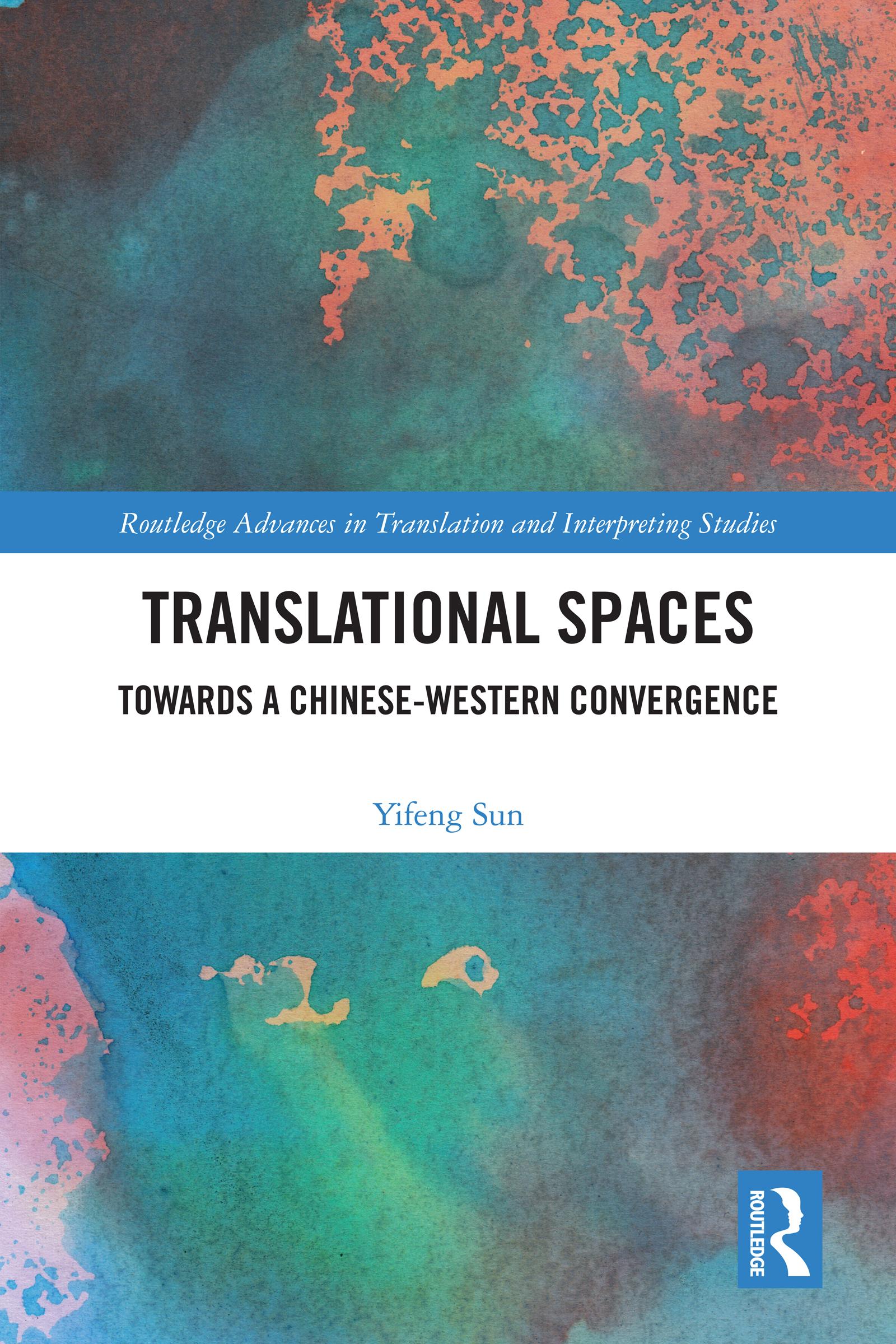
This book explores the concept of space, or rather spaces, in relation to translation, to construct a conceptual framework for research to better understand and solve translation problems. A number of interrelated spatial perspectives on translation supported by empirical evidence are presented to help better understand the complexities between China and West in cultural exchanges and to offer a way of explaining what happens to translation and why it takes on a particular form. In the chequered history of Chinese-Western cultural exchange, effective communication has remained a great challenge exacerbated by the ultimate inescapability of linguistic and cultural incommensurability. It is therefore necessary to develop conceptual tools that can help shed light on the interactive association between performativity and space in translation. Despite the unfailing desire to connect with the world, transnational resistance is still underway in China. Further attempts are required to promote a convergence of Chinese and Western translation theories in general and to confront problems arising from translation practice in particular. This work will be of interest to students and scholars in translation studies around the world, as well as those working in cultural studies and cross-cultural communication studies.
Betaal eenvoudig met kaart, Klarna, Apple Pay of Google Pay. Niet tevreden? Je hebt altijd 14 dagen bedenktijd. Lees meer in onze voorwaarden. Heb je vragen, mail ons dan via hello@memmo.org.
Memmo maakt studeren makkelijker – waar je ook bent ter wereld. Wij brengen je cursusboeken en slimme studietools samen op één plek: samenvattingen, quizzen, podcasts en flashcards. En Ted, je studievriend die antwoord geeft op alles wat je je afvraagt. Meer dan 50.000 studenten studeren hier al – gebouwd om je sneller te laten leren en minder stress te geven.
Misschien vind je dit ook leuk
Koop het boek0