
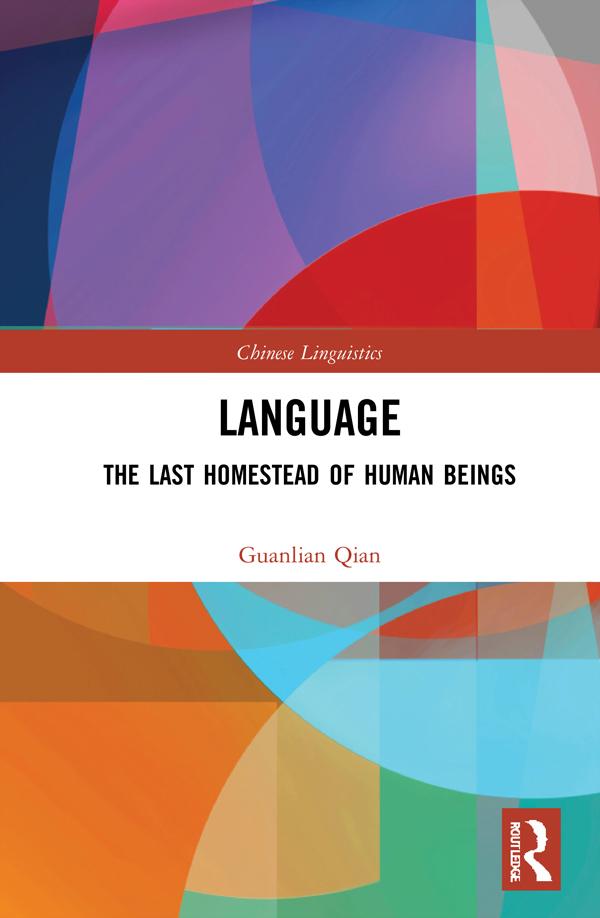
Heidegger characterizes the relationship between language and Being as "language is the house of Being", negating the idea that language is merely a tool ready to be used at hand.
Drawing on this idea, as well as ideas from anthropology, pragmatics, and folklore studies, the author argues that "language is the last homestead of human beings", meaning that mankind lives within language, has to live within language, and lives in formulaic speech events. The author takes Western classic works on the philosophy of language and his own insights of language use, rooted in traditional Chinese culture, in order to develop his own localized theory. In this title, the author explores the philosophical aspect of man’s survival by presenting day-to-day exchange routines such as weddings and fortune-telling dialogues in the Chinese context.
Awarded the first prize for Academic Excellence in Philosophy and Social Sciences in Guangdong Province, and second prize in the second Xu Guozhang Award for Foreign Language Studies, this is a must-read for researchers interested in philosophy of language and pragmatics.
Betaal eenvoudig met kaart, Klarna, Apple Pay of Google Pay. Niet tevreden? Je hebt altijd 14 dagen bedenktijd. Lees meer in onze voorwaarden. Heb je vragen, mail ons dan via hello@memmo.org.
Memmo maakt studeren makkelijker – waar je ook bent ter wereld. Wij brengen je cursusboeken en slimme studietools samen op één plek: samenvattingen, quizzen, podcasts en flashcards. En Ted, je studievriend die antwoord geeft op alles wat je je afvraagt. Meer dan 50.000 studenten studeren hier al – gebouwd om je sneller te laten leren en minder stress te geven.