
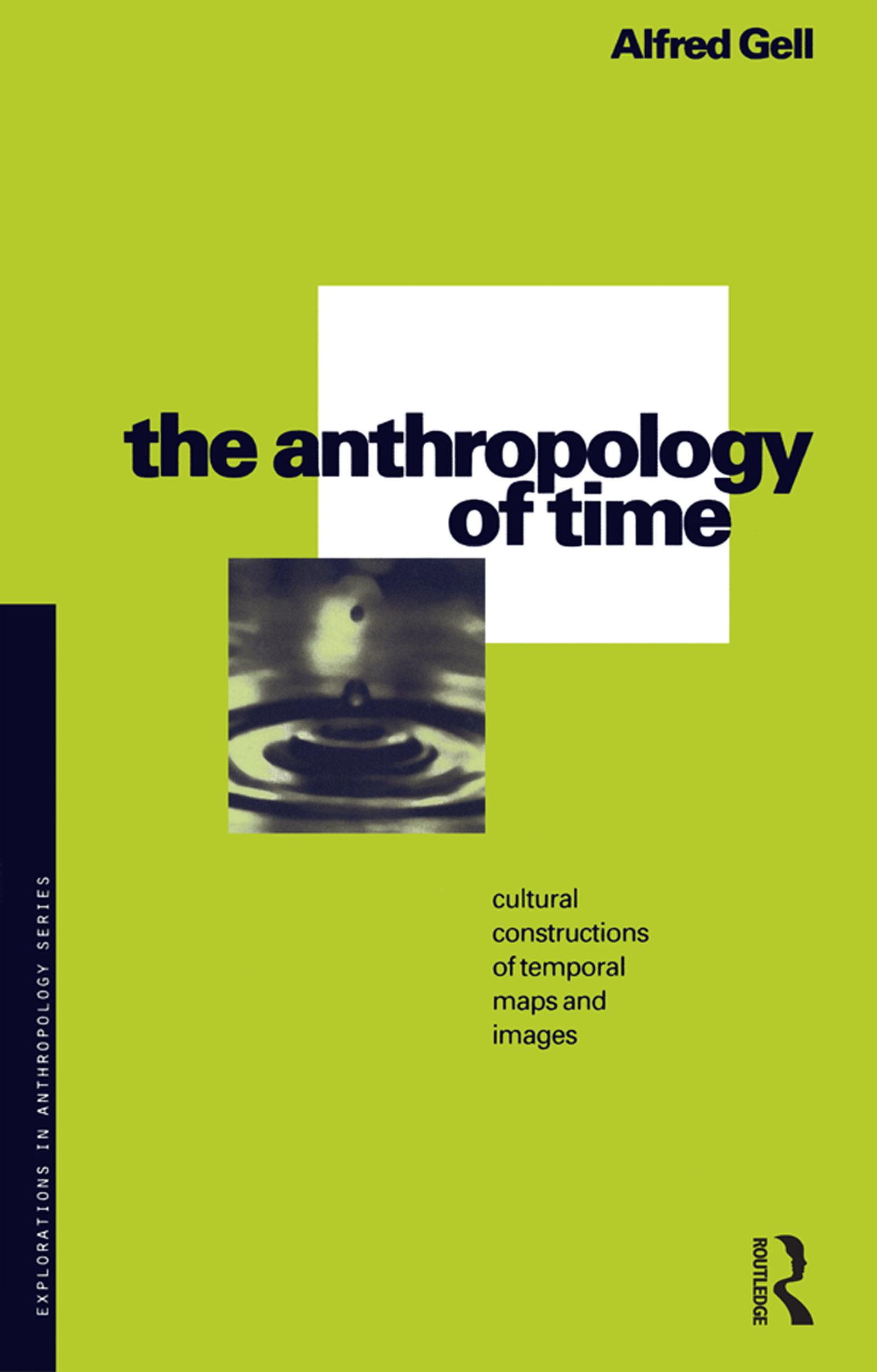
Time - relentless, ever-present but intangible and the single element over which human beings have no absolute control - has long proved a puzzle. The author examines the phenomenon of time and asks such fascinating questions as how time impinges on people, to what extent our awareness of time is culturally conditioned, how societies deal with temporal problems and whether time can be considered a `resource' to be economized. More specifically, he provides a consistent and detailed analysis of theories put forward by a number of thinkers such as Durkheim, Evans-Pritchard, Lévi-Strauss, Geertz, Piaget, Husserl and Bourdieu. His discussion encompasses four main approaches in time research, namely developmental psychology, symbolic anthropology (covering the bulk of post-Durkheimian social anthropology) `economic' theories of time in social geography and, finally, phenomenological theories. The author concludes by presenting his own model of social/cognitive time, in the light of these critical discussions of the literature.
Betaal eenvoudig met kaart, Klarna, Apple Pay of Google Pay. Niet tevreden? Je hebt altijd 14 dagen bedenktijd. Lees meer in onze voorwaarden. Heb je vragen, mail ons dan via hello@memmo.org.
Memmo maakt studeren makkelijker – waar je ook bent ter wereld. Wij brengen je cursusboeken en slimme studietools samen op één plek: samenvattingen, quizzen, podcasts en flashcards. En Ted, je studievriend die antwoord geeft op alles wat je je afvraagt. Meer dan 50.000 studenten studeren hier al – gebouwd om je sneller te laten leren en minder stress te geven.
Misschien vind je dit ook leuk
Koop het boek0