
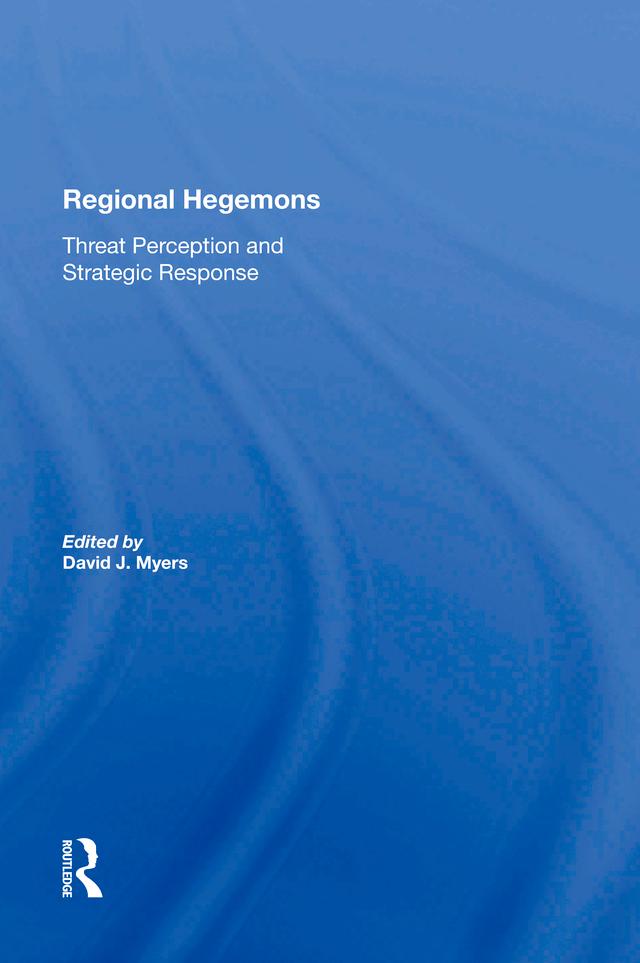
The bitter U.S. experience in Vietnam and the pain inflicted on theSoviet Union by its Afghanistan adventure have caused Washington andMoscow to rethink the costs and benefits of unilateral military interventionon behalf of threatened clients, especially in the third world. Also, asthe Cold War winds down, the crusading spirit that has driven superpowercompetition since the end of World War II appears increasingly anachronistic.Expenditures by the superpowers in pursuit of military superiority,or even to ensure parity, are now criticized for the security theydo not provide or for detracting from economic growth. The lattercriticism has grown in importance as the U.S. economy has confrontednew challenges from Japan and Germany and as the Soviet economystruggles to avoid collapse. Thus when Saddam Hussein's August 1990invasion of Kuwait challenged the political and economic status quo inthe oil-rich Middle East, neither the United States nor the Soviet Unionresponded unilaterally. Cooperatively they crafted an international consensusto confront the challenge.
Pagina's: 392
Categorie: Statsvetenskap & Politik
e-ISBN: 9781000309454
Verzendgewicht: 1.2 kg
Verzending binnen: 1-2 dagen
Betaal eenvoudig met kaart, Klarna, Apple Pay of Google Pay. Niet tevreden? Je hebt altijd 14 dagen bedenktijd. Lees meer in onze voorwaarden. Heb je vragen, mail ons dan via hello@memmo.org.
Memmo maakt studeren makkelijker – waar je ook bent ter wereld. Wij brengen je cursusboeken en slimme studietools samen op één plek: samenvattingen, quizzen, podcasts en flashcards. En Ted, je studievriend die antwoord geeft op alles wat je je afvraagt. Meer dan 50.000 studenten studeren hier al – gebouwd om je sneller te laten leren en minder stress te geven.
Misschien vind je dit ook leuk
Koop het boek0