
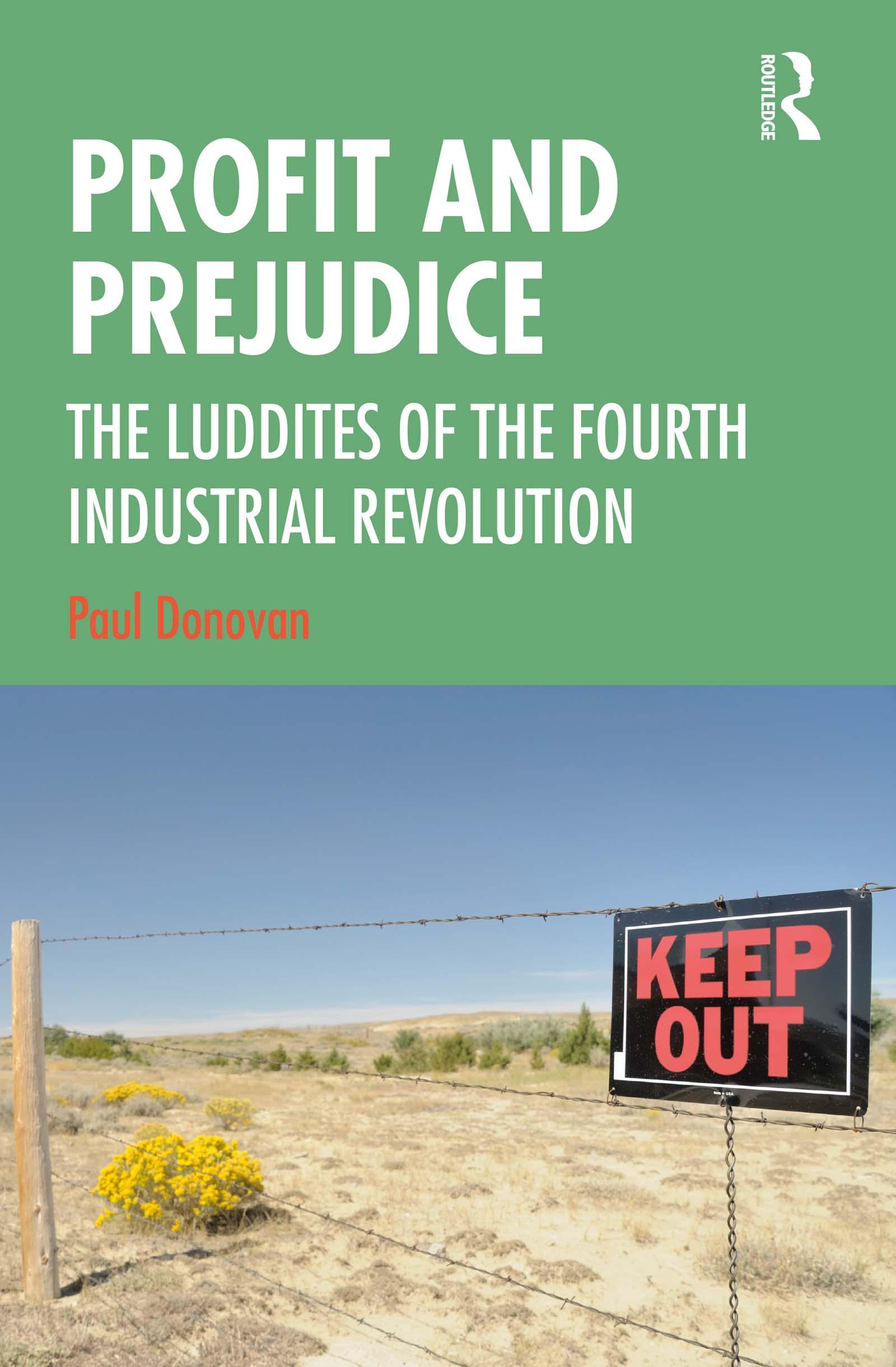
Avoiding prejudice will be critical to economic success in the fourth industrial revolution. It is not the new and innovative technology that will matter in the next decade, but what we do with it. Using technology properly, with diverse decision making, is the difference between success and failure in a changing world. This will require putting the right person in the right job at the right time. Prejudice stops that happening.
Profit and Prejudice takes us through the relationship between economic success and prejudice in labour markets. It starts with the major changes that occur in periods of economic upheaval. These changes tend to be unpopular and complex – and complexity encourages people to turn to the simplistic arguments of ‘scapegoat economics’ and prejudice. Some of the changes of the fourth industrial revolution will help fight prejudice, but some will make it far worse. The more prejudice there is, the harder it will be for companies and countries to profit from the changes ahead. Profit is not the main argument against prejudice, but can certainly help fight it.
This book tells a story of the damage that prejudice can do. Using economics without jargon, students, investors and the public will be able to follow the narrative and see how prejudice can be opposed. Prejudice is bad for business and the economy. Profit and Prejudice explains why.
Betaal eenvoudig met kaart, Klarna, Apple Pay of Google Pay. Niet tevreden? Je hebt altijd 14 dagen bedenktijd. Lees meer in onze voorwaarden. Heb je vragen, mail ons dan via hello@memmo.org.
Memmo maakt studeren makkelijker – waar je ook bent ter wereld. Wij brengen je cursusboeken en slimme studietools samen op één plek: samenvattingen, quizzen, podcasts en flashcards. En Ted, je studievriend die antwoord geeft op alles wat je je afvraagt. Meer dan 50.000 studenten studeren hier al – gebouwd om je sneller te laten leren en minder stress te geven.