
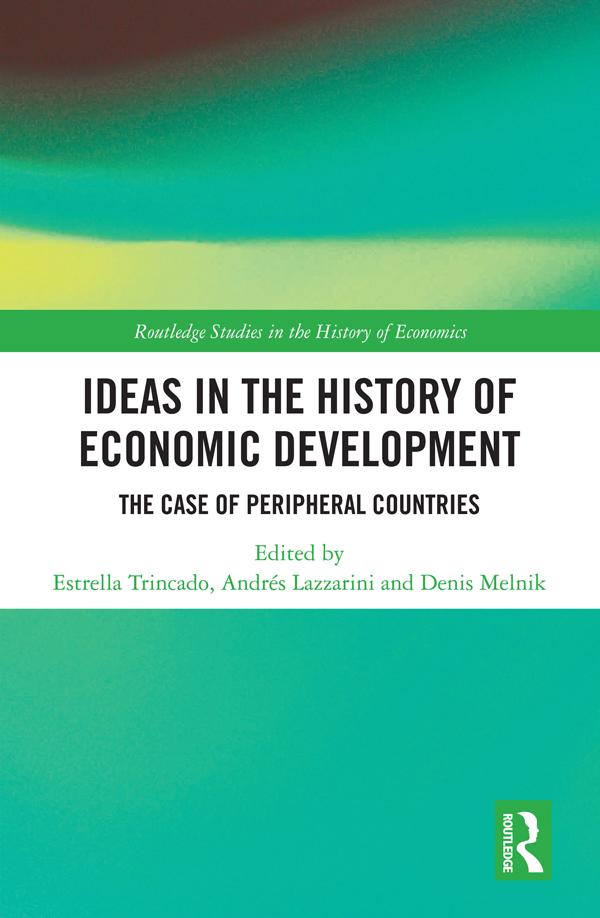
This edited volume examines the relationship between economic ideas, economic policies and development institutions, analysing the cases of 11 peripheral countries in Europe, Latin America and Asia across the nineteenth and twentieth centuries.
It sheds light on the obstacles that have prevented the sustained economic growth of these countries and examines the origins of national and regional approaches to development. The chapters present a fascinating insight into the ideas and visions in the different locations, with the overarching categories of economic nationalism and economic liberalism and how they have influenced development outcomes.
This book will be valuable reading for advanced students and researchers of development economics, the history of economic thought and economic history.
Betaal eenvoudig met kaart, Klarna, Apple Pay of Google Pay. Niet tevreden? Je hebt altijd 14 dagen bedenktijd. Lees meer in onze voorwaarden. Heb je vragen, mail ons dan via hello@memmo.org.
Memmo maakt studeren makkelijker – waar je ook bent ter wereld. Wij brengen je cursusboeken en slimme studietools samen op één plek: samenvattingen, quizzen, podcasts en flashcards. En Ted, je studievriend die antwoord geeft op alles wat je je afvraagt. Meer dan 50.000 studenten studeren hier al – gebouwd om je sneller te laten leren en minder stress te geven.