
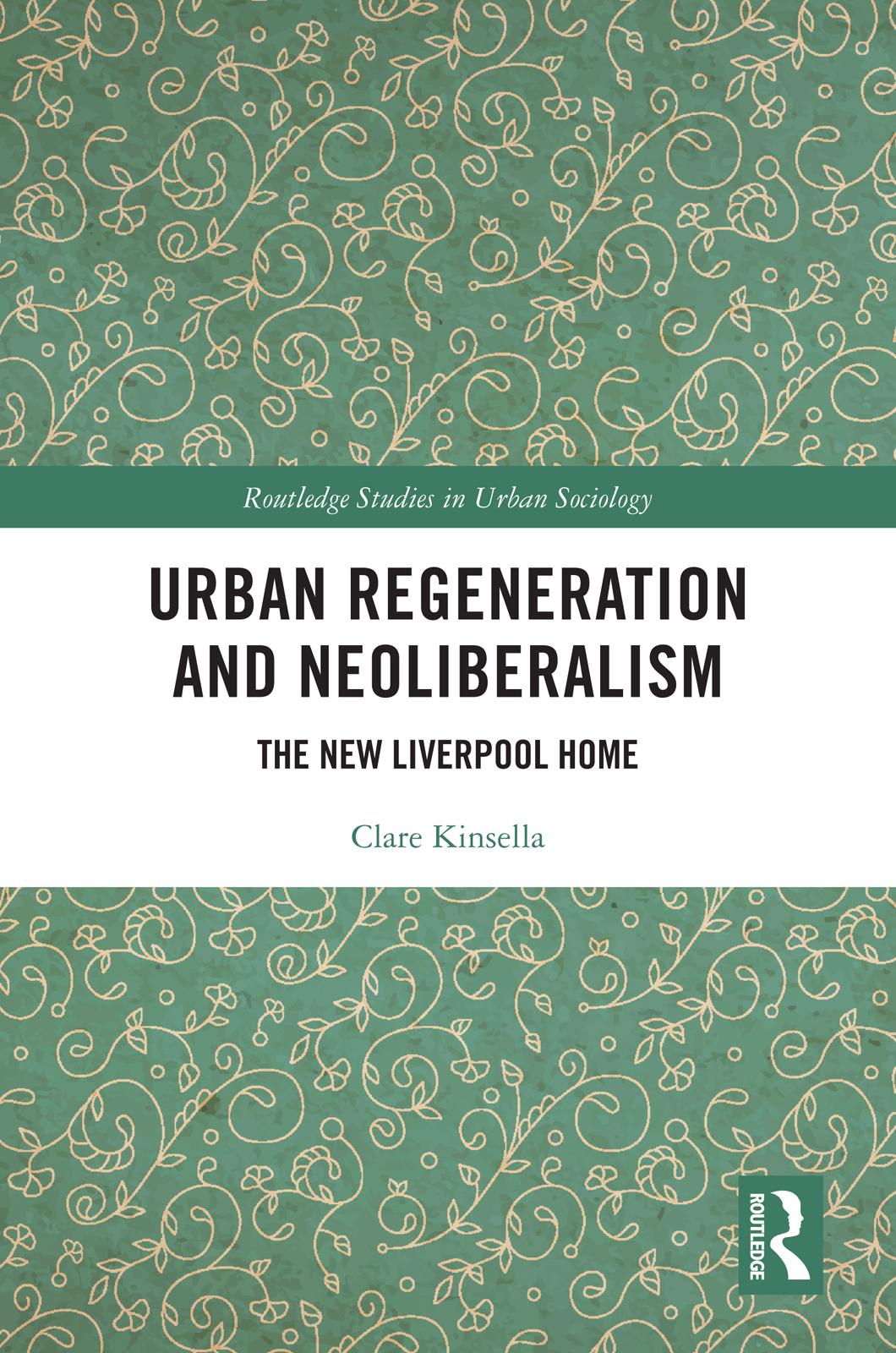
This book explores the concept of ‘home’ in Liverpool over phases of ‘regeneration’ following the Second World War. Using qualitative research in the oral history tradition, it explores what the author conceptualises as ‘forward-facing’ regeneration in the period up to the 1980s, and neoliberal regeneration interventions that ‘prioritise the past’ from the 1980s to the present. The author examines how the shift towards city centre-focused redevelopment and ‘event-led’ initiatives has implications for the way residents make sense of their conceptualisations of ‘home’, and demonstrates how the shift in regeneration focus, discourse, and practice, away from Liverpool’s neighbourhood districts and towards the city centre, has produced changes in the ways that residents identify with neighbourhoods and the city centre, with prominence being given to the latter. Employing Pierre Bourdieu’s concepts of habitus and field as mechanisms for understanding different senses of home and shifts from localised views to globalised views, this book will appeal to those with interests in urban sociology, regeneration, geography, sociology, home cultures, and cities.
Betaal eenvoudig met kaart, Klarna, Apple Pay of Google Pay. Niet tevreden? Je hebt altijd 14 dagen bedenktijd. Lees meer in onze voorwaarden. Heb je vragen, mail ons dan via hello@memmo.org.
Memmo maakt studeren makkelijker – waar je ook bent ter wereld. Wij brengen je cursusboeken en slimme studietools samen op één plek: samenvattingen, quizzen, podcasts en flashcards. En Ted, je studievriend die antwoord geeft op alles wat je je afvraagt. Meer dan 50.000 studenten studeren hier al – gebouwd om je sneller te laten leren en minder stress te geven.