
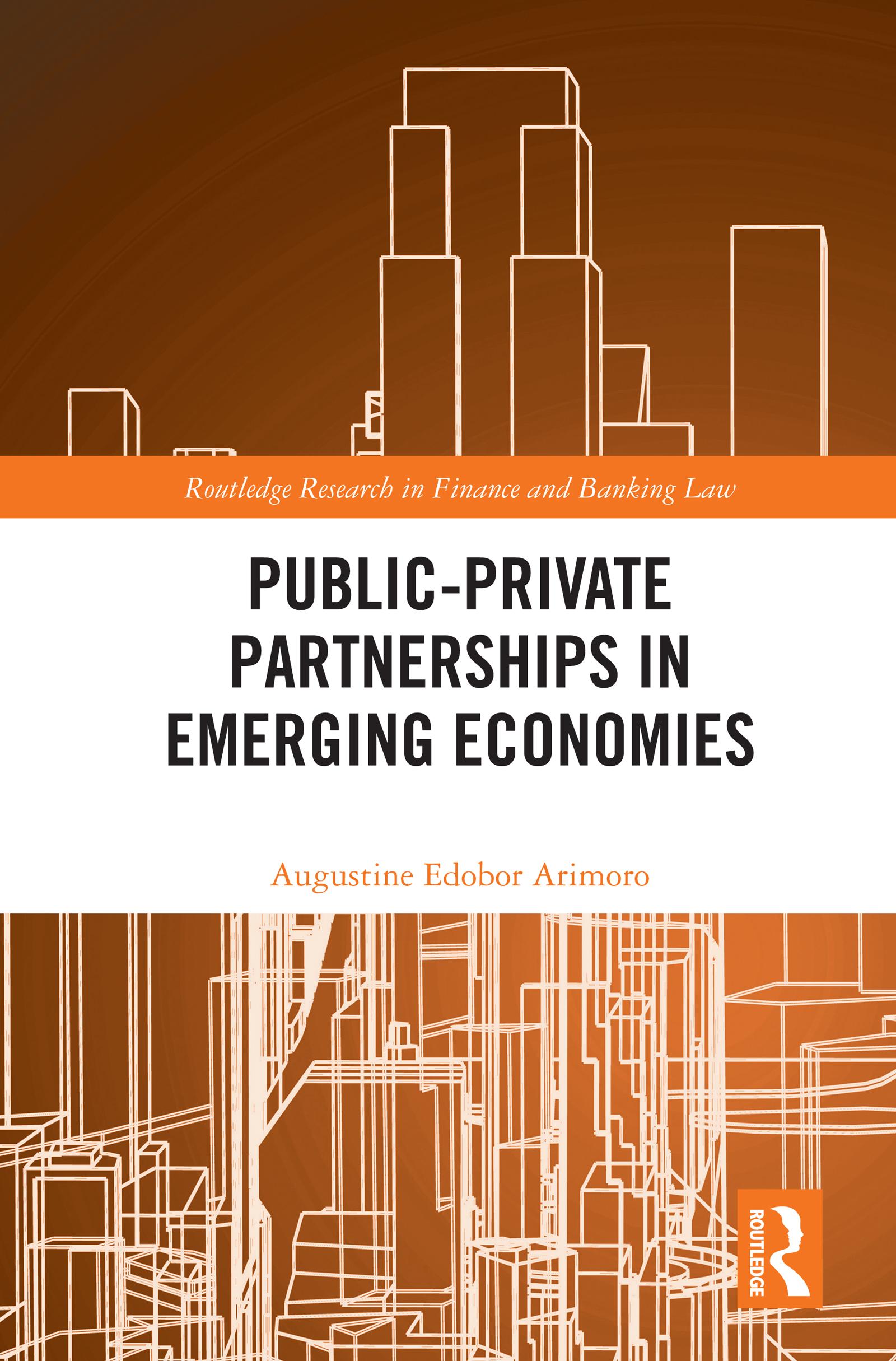
Over the years, a shortage of funds has resulted in a huge deficit in government budgets for infrastructure, especially in developing economies. It is no longer feasible for governments to bear the entire burden of funding public infrastructure. Given that an inadequate supply of public infrastructure poses a challenge for the economic development of any country, partnerships with the private sector to fund public infrastructure procurement has started to be relied on as an alternative to traditional public procurement. Public-Private Partnerships are an arrangement that allow private entities to fund, design, manage and operate public infrastructure for a term in exchange for the payment of tolls by users or the government may well be the solution to the infrastructure crisis in many developing economies.
This book examines the role of law in the adoption, implementation and regulation of Public-Private Partnership in selected developing economies including Brazil, India, Nigeria and South Africa to address how to deal with overlapping laws and how the law can protect assets invested in PPP in order to attract private sector interests in infrastructure financing in developing market, showing how law can be used to create, sustain and promote PPP frameworks that take into account local circumstances in developing economies.
Betaal eenvoudig met kaart, Klarna, Apple Pay of Google Pay. Niet tevreden? Je hebt altijd 14 dagen bedenktijd. Lees meer in onze voorwaarden. Heb je vragen, mail ons dan via hello@memmo.org.
Memmo maakt studeren makkelijker – waar je ook bent ter wereld. Wij brengen je cursusboeken en slimme studietools samen op één plek: samenvattingen, quizzen, podcasts en flashcards. En Ted, je studievriend die antwoord geeft op alles wat je je afvraagt. Meer dan 50.000 studenten studeren hier al – gebouwd om je sneller te laten leren en minder stress te geven.