
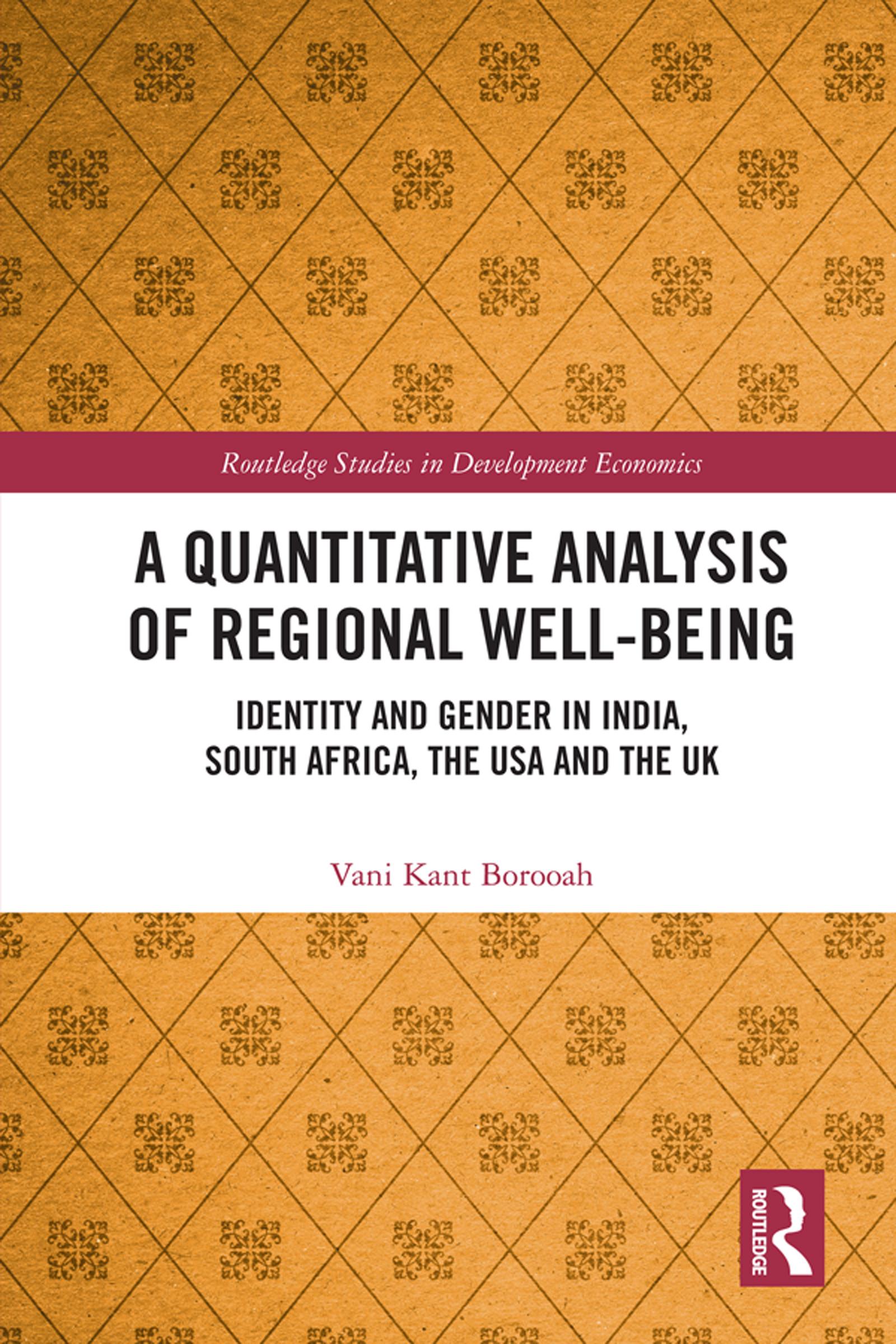
Using data from the World Values Survey, this book sheds light on the link between happiness and the social group to which one belongs. The work is based on a rigorous statistical analysis of differences in the probability of happiness and life satisfaction between the predominant social group and subordinate groups.
The cases of India and South Africa receive deep attention in dedicated chapters on cast and race, with other chapters considering issues such as cultural bias, religion, patriarchy, and gender. An additional chapter offers a global perspective. On top of this, the longitudinal nature of the data facilitates an examination of how world happiness has evolved between 1994 and 2014.
This book will be a valuable reference for advanced students, scholars and policymakers involved in development economics, well-being, development geography, and sociology.
Betaal eenvoudig met kaart, Klarna, Apple Pay of Google Pay. Niet tevreden? Je hebt altijd 14 dagen bedenktijd. Lees meer in onze voorwaarden. Heb je vragen, mail ons dan via hello@memmo.org.
Memmo maakt studeren makkelijker – waar je ook bent ter wereld. Wij brengen je cursusboeken en slimme studietools samen op één plek: samenvattingen, quizzen, podcasts en flashcards. En Ted, je studievriend die antwoord geeft op alles wat je je afvraagt. Meer dan 50.000 studenten studeren hier al – gebouwd om je sneller te laten leren en minder stress te geven.