
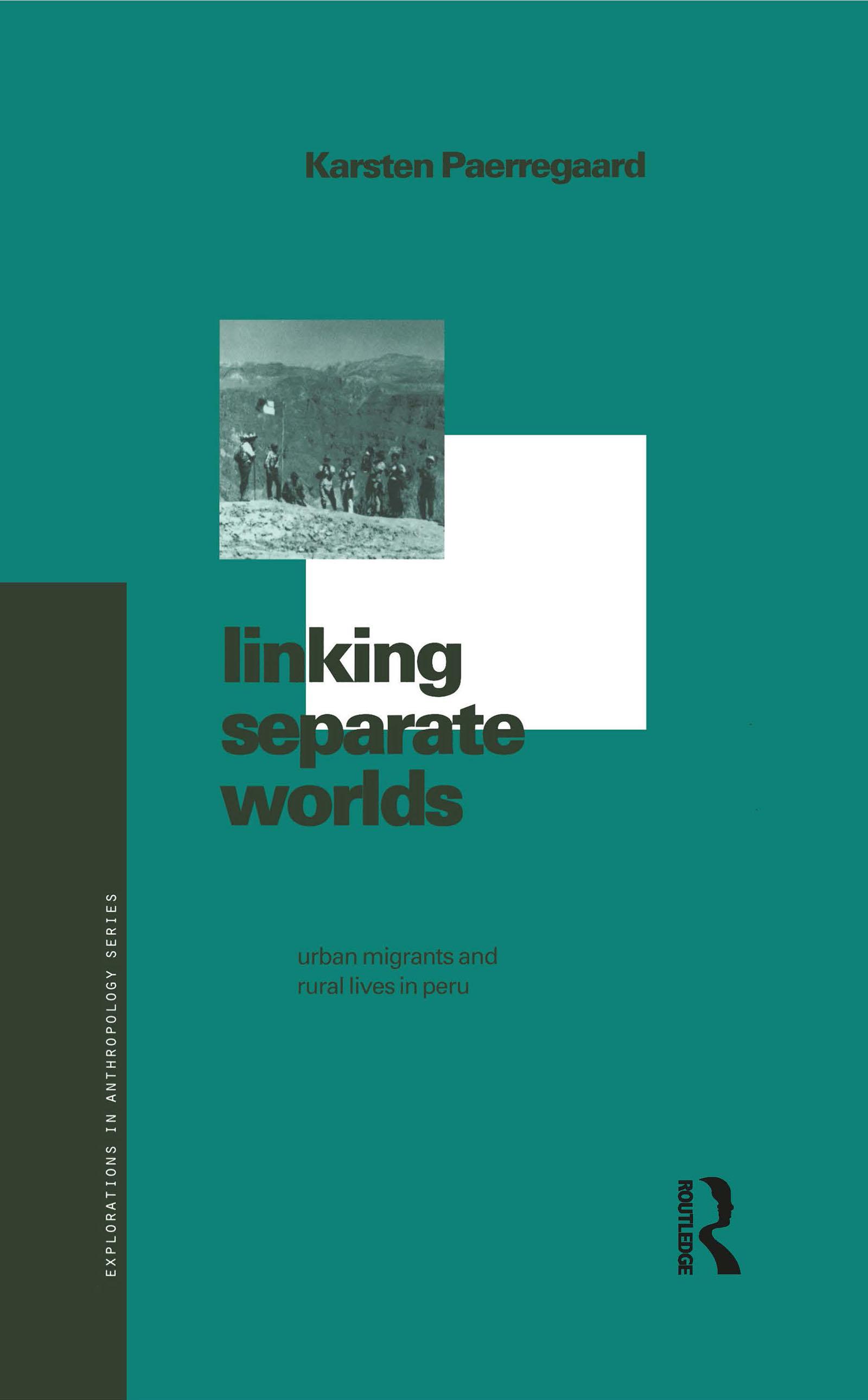
This pathbreaking ethnography of population movements between rural and urban places in Peru addresses the conceptual and methodological problems of studying ‘deterritorialized' populations and the implications of this for anthropology's notions of culture and identity. Based on extensive fieldwork, this book explores the economic, social and ritual bonds which link migrants in Peru's major cities to their Andean native village. Many urban migrants establish networks based on kinship and marriage ties to exploit resources in the city as well as the village. These networks ensure they maintain strong links to their native village. Fiestas, soccer tournaments and folklore festivals also play a crucial role in the formation of migrant communities in Peru's cities. The author analyses these performance practices and shows how they give rise to the creation of new social identities. The participation of second generation migrants, returning migrants, and migrant spouses in village life is also discussed.
Betaal eenvoudig met kaart, Klarna, Apple Pay of Google Pay. Niet tevreden? Je hebt altijd 14 dagen bedenktijd. Lees meer in onze voorwaarden. Heb je vragen, mail ons dan via hello@memmo.org.
Memmo maakt studeren makkelijker – waar je ook bent ter wereld. Wij brengen je cursusboeken en slimme studietools samen op één plek: samenvattingen, quizzen, podcasts en flashcards. En Ted, je studievriend die antwoord geeft op alles wat je je afvraagt. Meer dan 50.000 studenten studeren hier al – gebouwd om je sneller te laten leren en minder stress te geven.
Misschien vind je dit ook leuk
Koop het boek0