
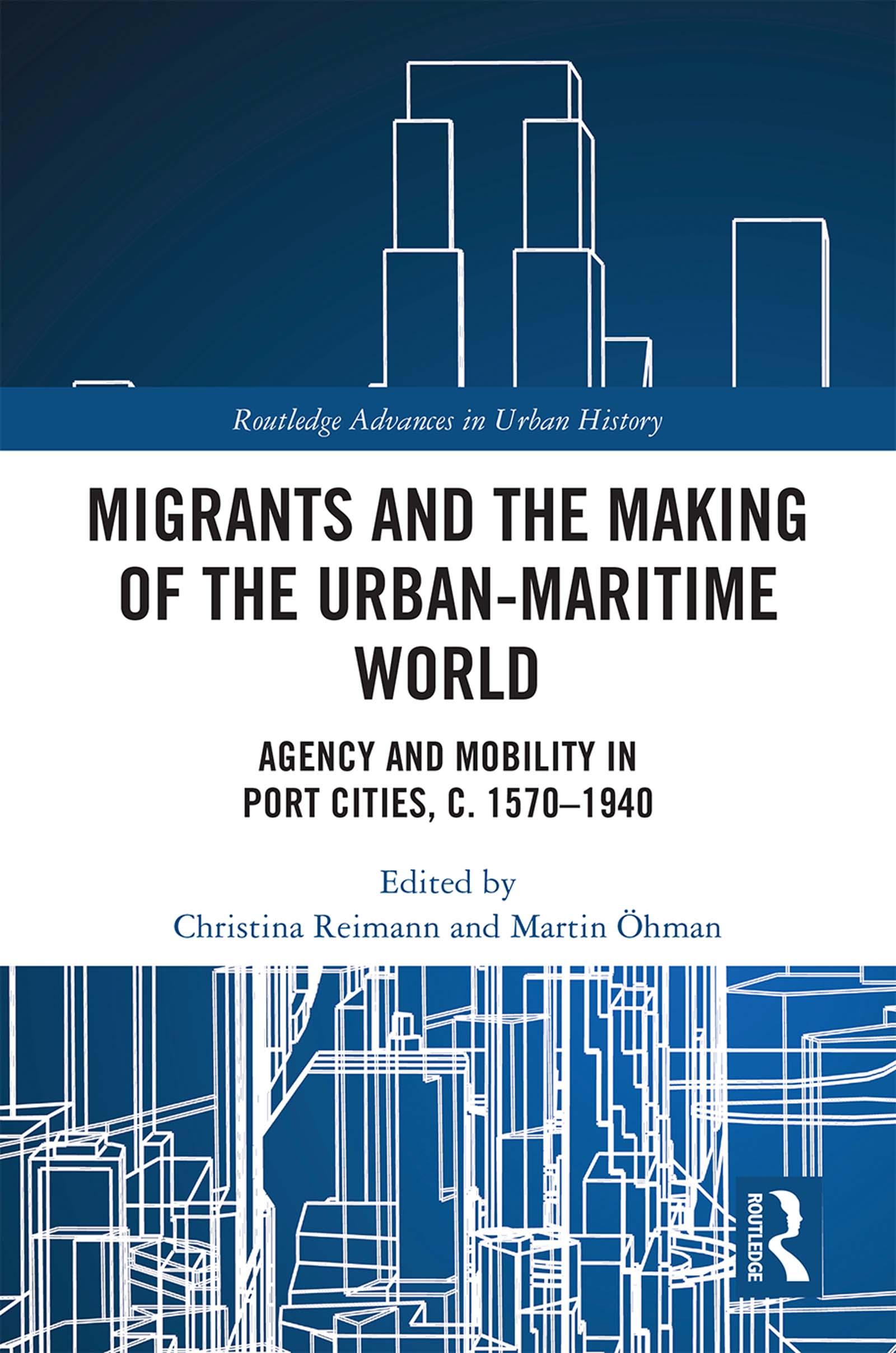
This volume explores the mutually transformative relations between migrants and port cities. Throughout the ages of sail and steam, port cities served as nodes of long-distance transmissions and exchanges. Commercial goods, people, animals, seeds, bacteria and viruses; technological and scientific knowledge and fashions all arrived in, and moved through, these microcosms of the global. Migrants made vital contributions to the construction of the urban-maritime world in terms of the built environment, the particular sociocultural milieu, and contemporary representations of these spaces. Port cities, in turn, conditioned the lives of these mobile people, be they seafarers, traders, passers-through, or people in search of a new home. By focusing on migrants—their actions and how they were acted upon—the authors seek to capture the contradictions and complexities that characterized port cities: mobility and immobility, acceptance and rejection, nationalism and cosmopolitanism, diversity and homogeneity, segregation and interaction.
The book offers a wide geographical perspective, covering port cities on three continents. Its chapters deal with agency in a widened sense, considering the activities of individuals and collectives as well as the decisive impact of sailing and steamboats, trains, the built environment, goods or microbes in shaping urban-maritime spaces.
Betaal eenvoudig met kaart, Klarna, Apple Pay of Google Pay. Niet tevreden? Je hebt altijd 14 dagen bedenktijd. Lees meer in onze voorwaarden. Heb je vragen, mail ons dan via hello@memmo.org.
Memmo maakt studeren makkelijker – waar je ook bent ter wereld. Wij brengen je cursusboeken en slimme studietools samen op één plek: samenvattingen, quizzen, podcasts en flashcards. En Ted, je studievriend die antwoord geeft op alles wat je je afvraagt. Meer dan 50.000 studenten studeren hier al – gebouwd om je sneller te laten leren en minder stress te geven.