
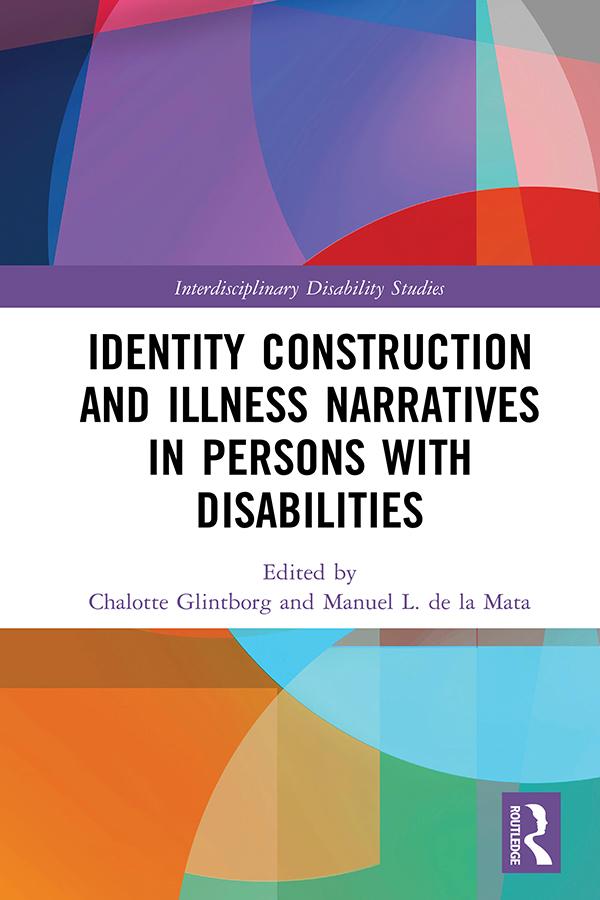
This book investigates how being diagnosed with various disabilities impacts on identity. Once diagnosed with a disability, there is a risk that this label can become the primary status both for the person diagnosed as well as for their family. This reification of the diagnosis can be oppressive because it subjugates humanity in such a way that everything a person does can be interpreted as linked to their disability.
Drawing on narrative approaches to identity in psychology and social sciences, the bio-psycho-social model and a holistic approach to disabilities, the chapters in this book understand disability as constructed in discourse, as negotiated among speaking subjects in social contexts, and as emergent. By doing so, they amplify voices that may have otherwise remained silent and use storytelling as a way of communicating the participants' realities to provide a more in-depth understanding of their point of view.
This book will be of interest to all scholars and students of disability studies, sociology, medical humanities, disability research methods, narrative theory, and rehabilitation studies.
Betaal eenvoudig met kaart, Klarna, Apple Pay of Google Pay. Niet tevreden? Je hebt altijd 14 dagen bedenktijd. Lees meer in onze voorwaarden. Heb je vragen, mail ons dan via hello@memmo.org.
Memmo maakt studeren makkelijker – waar je ook bent ter wereld. Wij brengen je cursusboeken en slimme studietools samen op één plek: samenvattingen, quizzen, podcasts en flashcards. En Ted, je studievriend die antwoord geeft op alles wat je je afvraagt. Meer dan 50.000 studenten studeren hier al – gebouwd om je sneller te laten leren en minder stress te geven.