
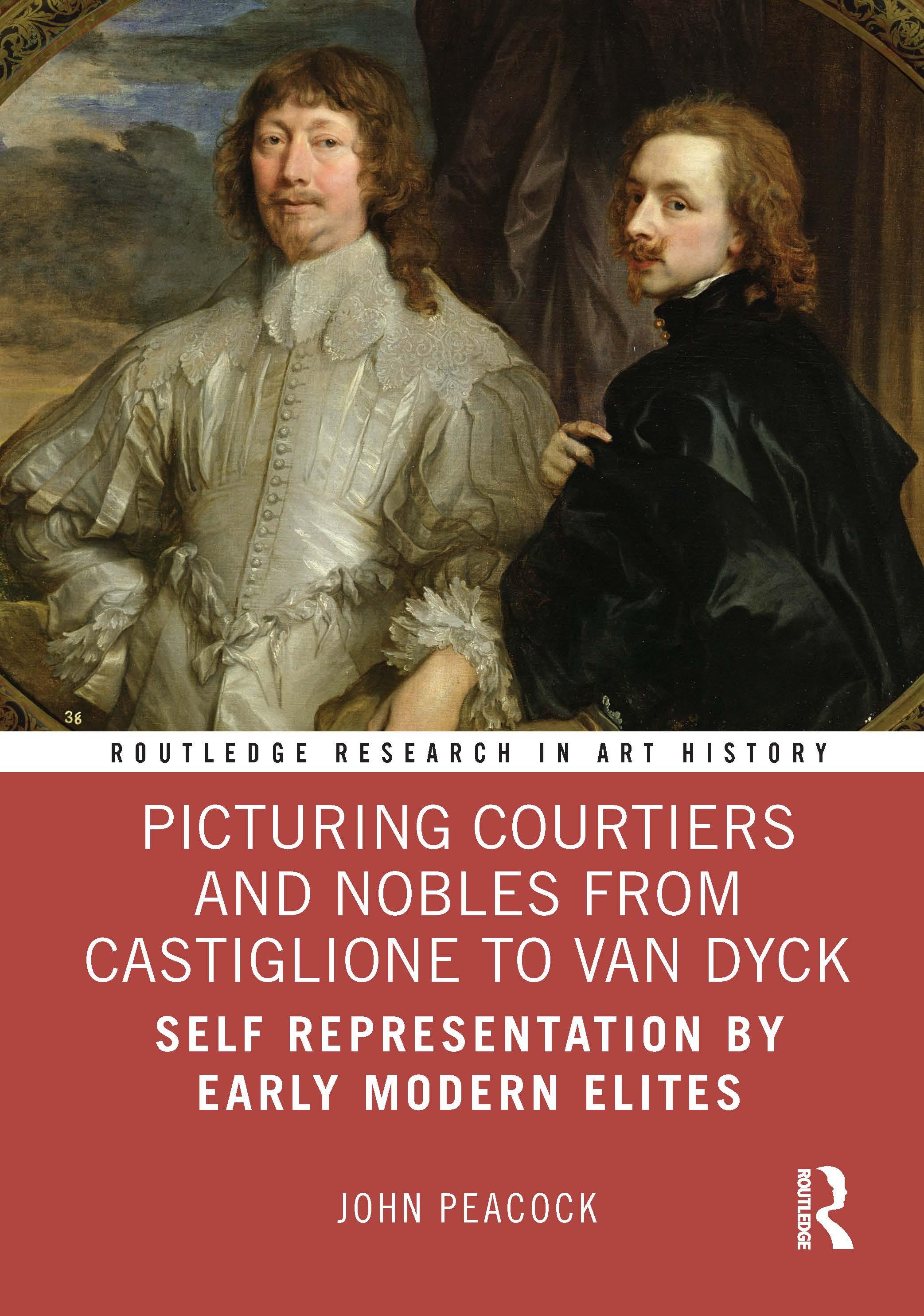
This interdisciplinary study examines painted portraiture as a defining metaphor of elite self-representation in early modern culture.
Beginning with Castiglione’s Book of the Courtier (1528), the most influential early modern account of the formation of elite identity, the argument traces a path across the ensuing century towards the images of courtiers and nobles by the most persuasive of European portrait painters, Van Dyck, especially those produced in London during the 1630s. It investigates two related kinds of texts: those which, following Castiglione, model the conduct of the ideal courtier or elite social conduct more generally; and those belonging to the established tradition of debates about the condition of nobility –how far it is genetically inherited and how far a function of excelling moral and social behaviour. Van Dyck is seen as contributing to these discussions through the language of pictorial art.
The book will be of interest to scholars working in art history, cultural history, early modern history and Renaissance studies.
Betaal eenvoudig met kaart, Klarna, Apple Pay of Google Pay. Niet tevreden? Je hebt altijd 14 dagen bedenktijd. Lees meer in onze voorwaarden. Heb je vragen, mail ons dan via hello@memmo.org.
Memmo maakt studeren makkelijker – waar je ook bent ter wereld. Wij brengen je cursusboeken en slimme studietools samen op één plek: samenvattingen, quizzen, podcasts en flashcards. En Ted, je studievriend die antwoord geeft op alles wat je je afvraagt. Meer dan 50.000 studenten studeren hier al – gebouwd om je sneller te laten leren en minder stress te geven.