
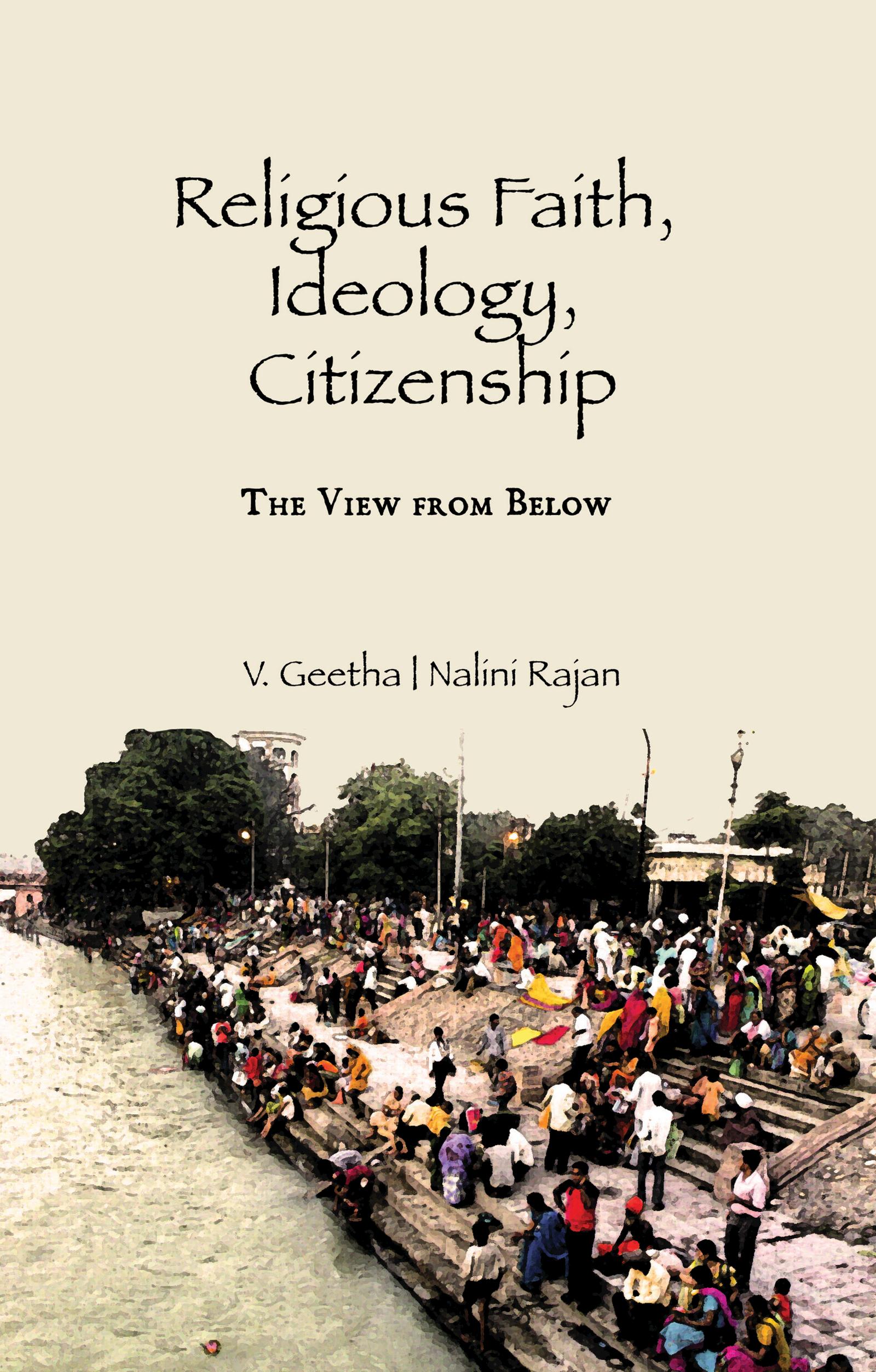
This book looks at the triadic relations between faith, the state and political actors, and the ideas that move them. It comprises a set of essays on diverse histories and ideas, ranging from Gandhian civic action to radical free thought in colonial India, from liberation theologies, that take their cue from specific and lived experiences of oppression and humiliation, to the universalism promised by an expansive Islam. Deploying gender and caste as the central analytical categories, these essays suggest that equality and justice rest on the strength and vitality of the exchanges between the worlds of the civic, the religious and the state, and not on their strict separation.
Going beyond time-honoured dualities — between the secular and the communal (especially in the Indian context), or the secular and the pre-modern — the book joins the lively debates on secularism that have emerged in the 21st century in West, South and South-east Asia.
Betaal eenvoudig met kaart, Klarna, Apple Pay of Google Pay. Niet tevreden? Je hebt altijd 14 dagen bedenktijd. Lees meer in onze voorwaarden. Heb je vragen, mail ons dan via hello@memmo.org.
Memmo maakt studeren makkelijker – waar je ook bent ter wereld. Wij brengen je cursusboeken en slimme studietools samen op één plek: samenvattingen, quizzen, podcasts en flashcards. En Ted, je studievriend die antwoord geeft op alles wat je je afvraagt. Meer dan 50.000 studenten studeren hier al – gebouwd om je sneller te laten leren en minder stress te geven.