
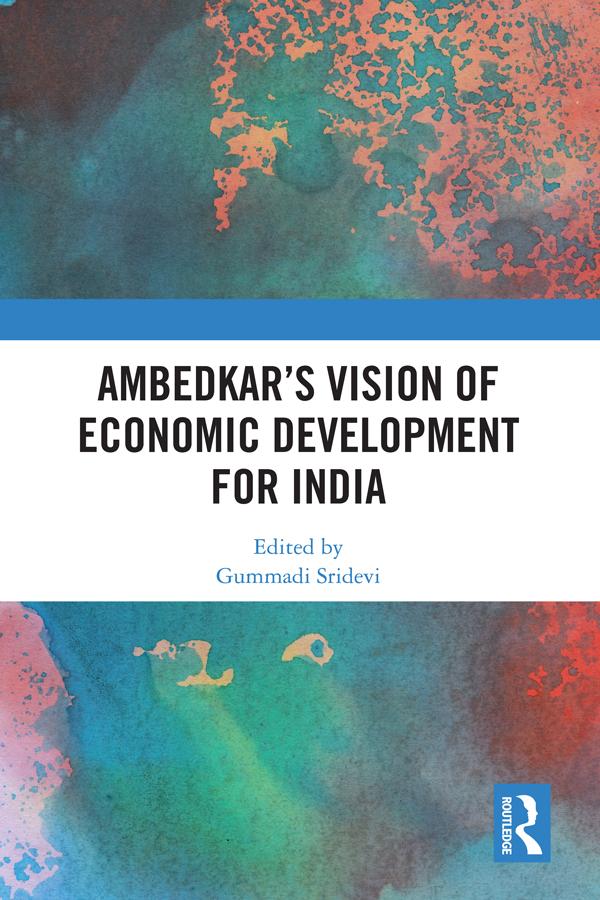
This book discusses Ambedkar’s engagements with the issues of social justice, economic development and caste enclosures. It highlights his significant contributions in the field of trade, public finance and monetary economics, Indian agriculture, education, among others, and examines their relevance in contemporary India.
The volume analyses the basic theoretical conceptions in Ambedkar’s writings which attributed a key role to industrialisation, favoured economic planning and progressive labour laws. It reaffirms these theories and illustrates that focus on social and economic democracy promotes productivity, equitable distribution of wealth and an inclusive society. Through an analysis of Ambedkar’s interdisciplinary works, the book discusses issues of rural poverty, lagging infrastructure growth, the persistence of an exploitative ruling class and the economic and social marginalisation of the downtrodden which are still relevant today. Further, it offers solutions for a restructuring of the society under democratic principles which would recognise the basic right of all to social dignity, and devise means to insure against social and economic insecurity.
Insightful and authoritative, this volume will be of great interest to students and researchers of economics, sociology, development studies and social exclusion.
Betaal eenvoudig met kaart, Klarna, Apple Pay of Google Pay. Niet tevreden? Je hebt altijd 14 dagen bedenktijd. Lees meer in onze voorwaarden. Heb je vragen, mail ons dan via hello@memmo.org.
Memmo maakt studeren makkelijker – waar je ook bent ter wereld. Wij brengen je cursusboeken en slimme studietools samen op één plek: samenvattingen, quizzen, podcasts en flashcards. En Ted, je studievriend die antwoord geeft op alles wat je je afvraagt. Meer dan 50.000 studenten studeren hier al – gebouwd om je sneller te laten leren en minder stress te geven.