
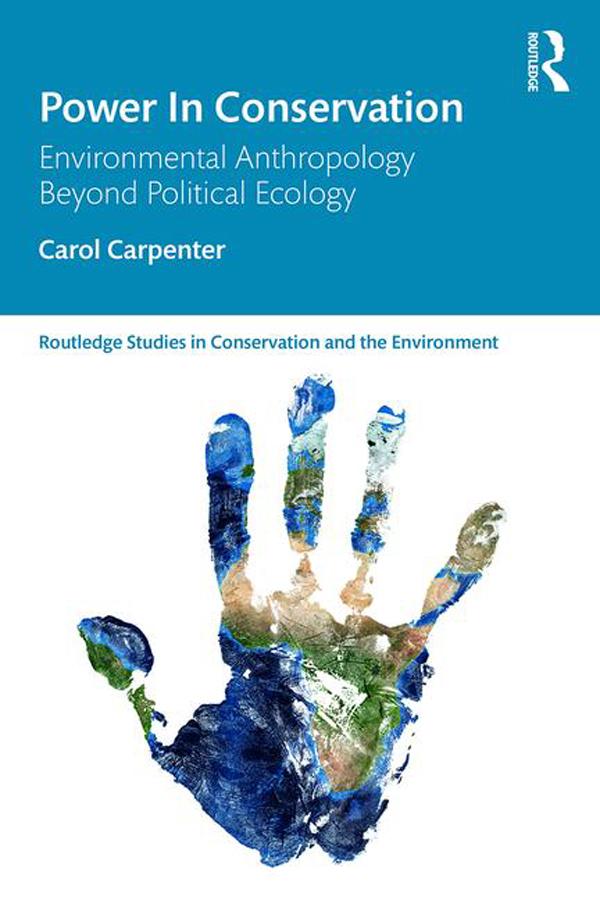
This book examines theories and ethnographies related to the anthropology of power in conservation.
Conservation thought and practice is power laden—conservation thought is powerfully shaped by the history of ideas of nature and its relation to people, and conservation interventions govern and affect peoples and ecologies. This book argues that being able to think deeply, particularly about power, improves conservation policy-making and practice. Political ecology is by far the most well-known and well-published approach to thinking about power in conservation. This book analyzes the relatively neglected but robust anthropology of conservation literature on politics and power outside political ecology, especially literature rooted in Foucault. It is intended to make four of Foucault’s concepts of power accessible, concepts that are most used in the anthropology of conservation: the power of discourses, discipline and governmentality, subject formation, and neoliberal governmentality. The important ethnographic literature that these concepts have stimulated is also examined. Together, theory and ethnography underpin our emerging understanding of a new, Anthropocene-shaped world.
This book will be of great interest to students and scholars of conservation, environmental anthropology, and political ecology, as well as conservation practitioners and policy-makers.
Betaal eenvoudig met kaart, Klarna, Apple Pay of Google Pay. Niet tevreden? Je hebt altijd 14 dagen bedenktijd. Lees meer in onze voorwaarden. Heb je vragen, mail ons dan via hello@memmo.org.
Memmo maakt studeren makkelijker – waar je ook bent ter wereld. Wij brengen je cursusboeken en slimme studietools samen op één plek: samenvattingen, quizzen, podcasts en flashcards. En Ted, je studievriend die antwoord geeft op alles wat je je afvraagt. Meer dan 50.000 studenten studeren hier al – gebouwd om je sneller te laten leren en minder stress te geven.