
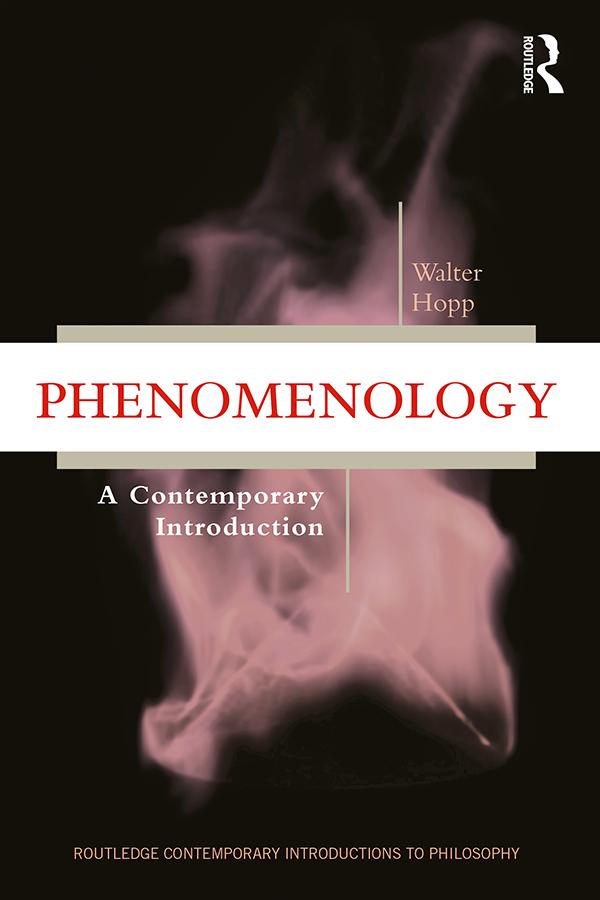
The central task of phenomenology is to investigate the nature of consciousness and its relations to objects of various types. The present book introduces students and other readers to several foundational topics of phenomenological inquiry, and illustrates phenomenology’s contemporary relevance. The main topics include consciousness, intentionality, perception, meaning, and knowledge. The book also contains critical assessments of Edmund Husserl’s phenomenological method. It argues that knowledge is the most fundamental mode of consciousness, and that the central theses constitutive of Husserl’s "transcendental idealism" are compatible with metaphysical realism regarding the objects of thought, perception, and knowledge.
Helpful tools include introductions that help the reader segue from the previous chapter to the new one, chapter conclusions, and suggested reading lists of primary and some key secondary sources.
Key Features:
- Elucidates and engages with contemporary work in analytic epistemology and philosophy of mind
- Provides clear prose explanations of the necessary distinctions and arguments required for understanding the subject
- Places knowledge at the center of phenomenological inquiry
Betaal eenvoudig met kaart, Klarna, Apple Pay of Google Pay. Niet tevreden? Je hebt altijd 14 dagen bedenktijd. Lees meer in onze voorwaarden. Heb je vragen, mail ons dan via hello@memmo.org.
Memmo maakt studeren makkelijker – waar je ook bent ter wereld. Wij brengen je cursusboeken en slimme studietools samen op één plek: samenvattingen, quizzen, podcasts en flashcards. En Ted, je studievriend die antwoord geeft op alles wat je je afvraagt. Meer dan 50.000 studenten studeren hier al – gebouwd om je sneller te laten leren en minder stress te geven.