
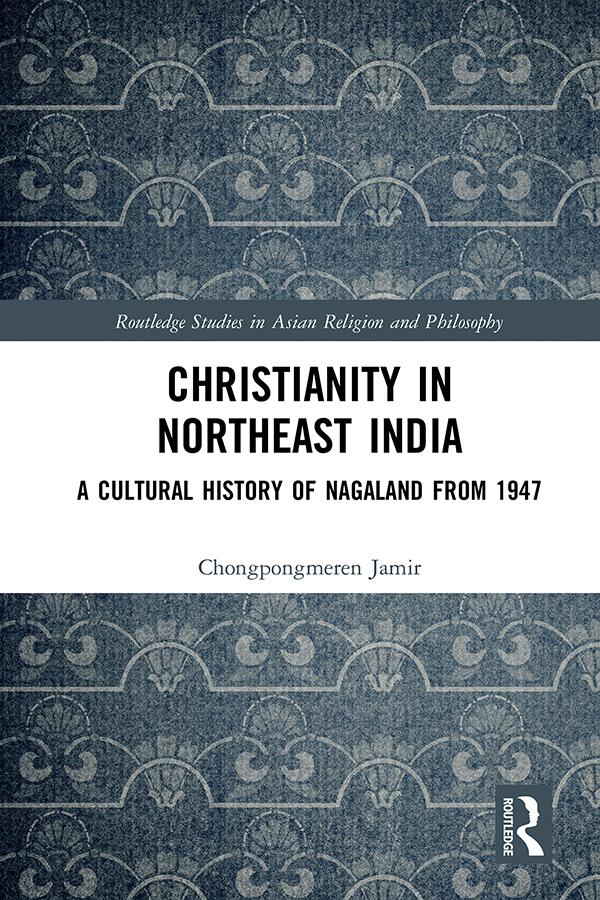
This book examines the distinctive formation of Christianity in Nagaland, Northeast India, since 1947. It argues that an understanding of the history of Christianity in the region can be found in its cultural milieu and the changing political, social and religious environment.
In Nagaland, almost 90 per cent of the population are Christians. This book shows that segmentation as a cultural characteristic of Naga society inspired both unity and divisiveness in the Naga churches, which subsequently shaped the beliefs and practices of the churches in the region. Using the methodology of cultural history, the author examines ecclesiastical events and suggests that the history of Christianity should be examined in the light of its interaction with its cultural context rather than as an isolated phenomenon. The book demonstrates that the ethnic status which the Christian faith assumed, the extent of its identification with the local culture, and the scope of the mission of the Naga churches as key stakeholders in society, offers a new angle on the history of Christianity in India.
This book will be of interest to scholars and researchers of South Asian history, particularly those concerned with Northeast India and Christian history, historiography, cultural history, history of Christianity in India and faith–culture interface, religious studies, history and South Asian Studies.
Betaal eenvoudig met kaart, Klarna, Apple Pay of Google Pay. Niet tevreden? Je hebt altijd 14 dagen bedenktijd. Lees meer in onze voorwaarden. Heb je vragen, mail ons dan via hello@memmo.org.
Memmo maakt studeren makkelijker – waar je ook bent ter wereld. Wij brengen je cursusboeken en slimme studietools samen op één plek: samenvattingen, quizzen, podcasts en flashcards. En Ted, je studievriend die antwoord geeft op alles wat je je afvraagt. Meer dan 50.000 studenten studeren hier al – gebouwd om je sneller te laten leren en minder stress te geven.