
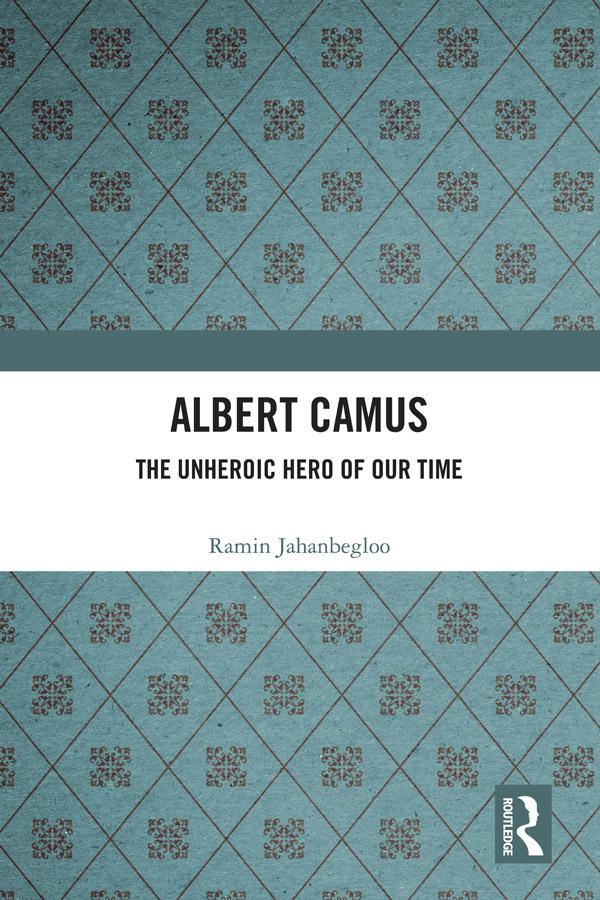
This book interprets the ideas, thoughts and concepts that characterize the writings and philosophy of Albert Camus for our contemporary times. It investigates Camus’ "revolted compassion" as an outsider and a philosopher-writer who in his own words believed in "creating dangerously". The author examines Camus’ interventions on political, philosophical and moral questions, such as Algerian independence, capital punishment, ideological violence, nihilism in the context of his ideals of the absurd and revolt, and justice and liberty. Further, it goes on to provide an exhaustive analysis of Camus’ critique of violence and his intellectual resistance to totalitarianism.
Bringing together latest scholarship with an acute analysis of Albert Camus’ philosophy, this sourcebook throws a powerful light on the intellectual foundations of the twentieth century and its relevance for the twenty-first. The book will be of interest to scholars of literature, philosophy and African Studies.
Betaal eenvoudig met kaart, Klarna, Apple Pay of Google Pay. Niet tevreden? Je hebt altijd 14 dagen bedenktijd. Lees meer in onze voorwaarden. Heb je vragen, mail ons dan via hello@memmo.org.
Memmo maakt studeren makkelijker – waar je ook bent ter wereld. Wij brengen je cursusboeken en slimme studietools samen op één plek: samenvattingen, quizzen, podcasts en flashcards. En Ted, je studievriend die antwoord geeft op alles wat je je afvraagt. Meer dan 50.000 studenten studeren hier al – gebouwd om je sneller te laten leren en minder stress te geven.