
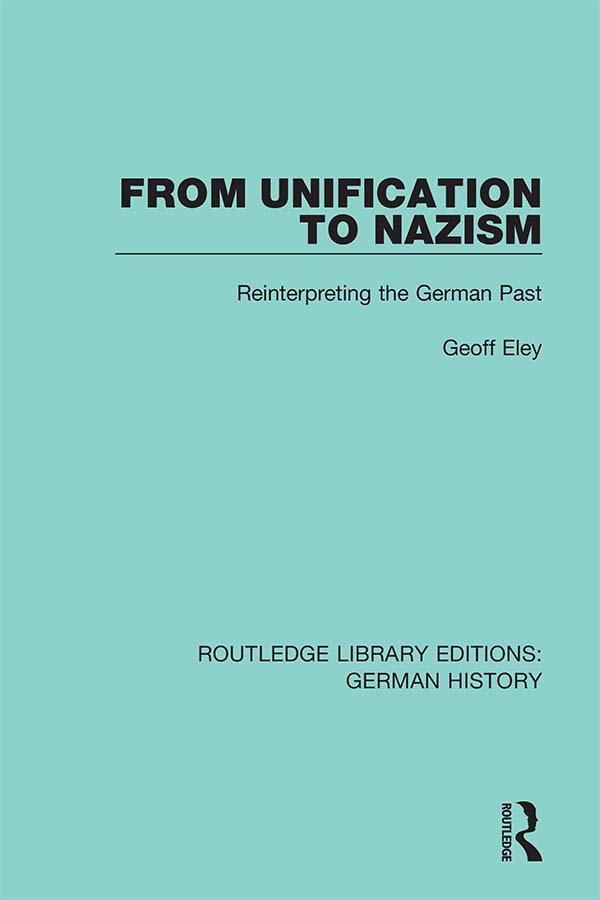
Originally published in 1986, and bringing together essays written over a 10 year period, this volume offers a coherent and challenging interpretation of the German past. The book argues that the German Empire between 1971 and 1914 may have enjoyed greater stability and cohesion than is often assumed. It suggests that Imperial Germany’s political institutions showed considerable flexibility and capacity for growth and puts forward the idea that without WWI, or in the event of a German victory, the Empire might well have demonstrated its viability as a modern state. In that case, the origins of fascism should be sought mainly in the subsequent experiences of war, revolution and economic crisis and not so much in the Empire’s so-called structural backwardness.
Betaal eenvoudig met kaart, Klarna, Apple Pay of Google Pay. Niet tevreden? Je hebt altijd 14 dagen bedenktijd. Lees meer in onze voorwaarden. Heb je vragen, mail ons dan via hello@memmo.org.
Memmo maakt studeren makkelijker – waar je ook bent ter wereld. Wij brengen je cursusboeken en slimme studietools samen op één plek: samenvattingen, quizzen, podcasts en flashcards. En Ted, je studievriend die antwoord geeft op alles wat je je afvraagt. Meer dan 50.000 studenten studeren hier al – gebouwd om je sneller te laten leren en minder stress te geven.