
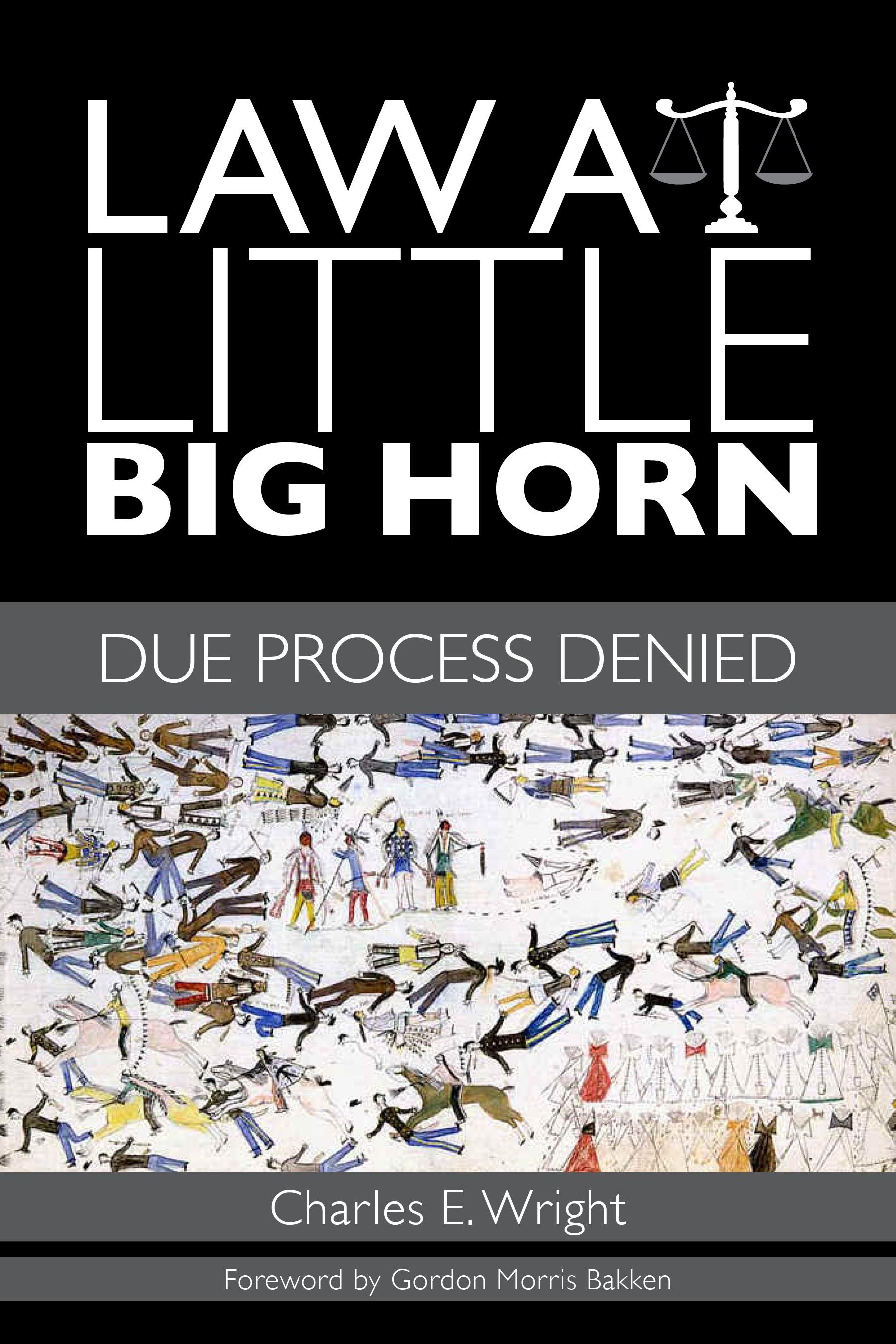
In 1876, the United States launched the Great Sioux War without a formal declaration of war by Congress. During the nineteenth century, the rights of American Indians were frequently violated by the president and ignored or denied enforcement by federal courts. However, Congress generally treated the Indians with good faith and honored due process, which prohibits the government from depriving any person of life, liberty, or property without a fair hearing before an impartial judge or jury. These due process requirementsprotect all Americans and apply to all branches of the government. Charles E. Wright analyzes the legal backdrop to the Great Sioux War, asking the hard questions of how treaties were to be honored and how the US government failed to abide by its sovereign word. Until now, little attention has been focused on how the events leading up to and during the Battle of Little Big Horn impacted American law. Though other authors have analyzed George Armstrong Custer’s tactics and equipment, Wright is the first to investigate the legal and constitutional issues surrounding the United States’ campaign against the American Indians. This is not just another Custer book. Its contents will surprise even the most accomplished Little Big Horn scholar.
Betaal eenvoudig met kaart, Klarna, Apple Pay of Google Pay. Niet tevreden? Je hebt altijd 14 dagen bedenktijd. Lees meer in onze voorwaarden. Heb je vragen, mail ons dan via hello@memmo.org.
Memmo maakt studeren makkelijker – waar je ook bent ter wereld. Wij brengen je cursusboeken en slimme studietools samen op één plek: samenvattingen, quizzen, podcasts en flashcards. En Ted, je studievriend die antwoord geeft op alles wat je je afvraagt. Meer dan 50.000 studenten studeren hier al – gebouwd om je sneller te laten leren en minder stress te geven.
Misschien vind je dit ook leuk
Koop het boek0