
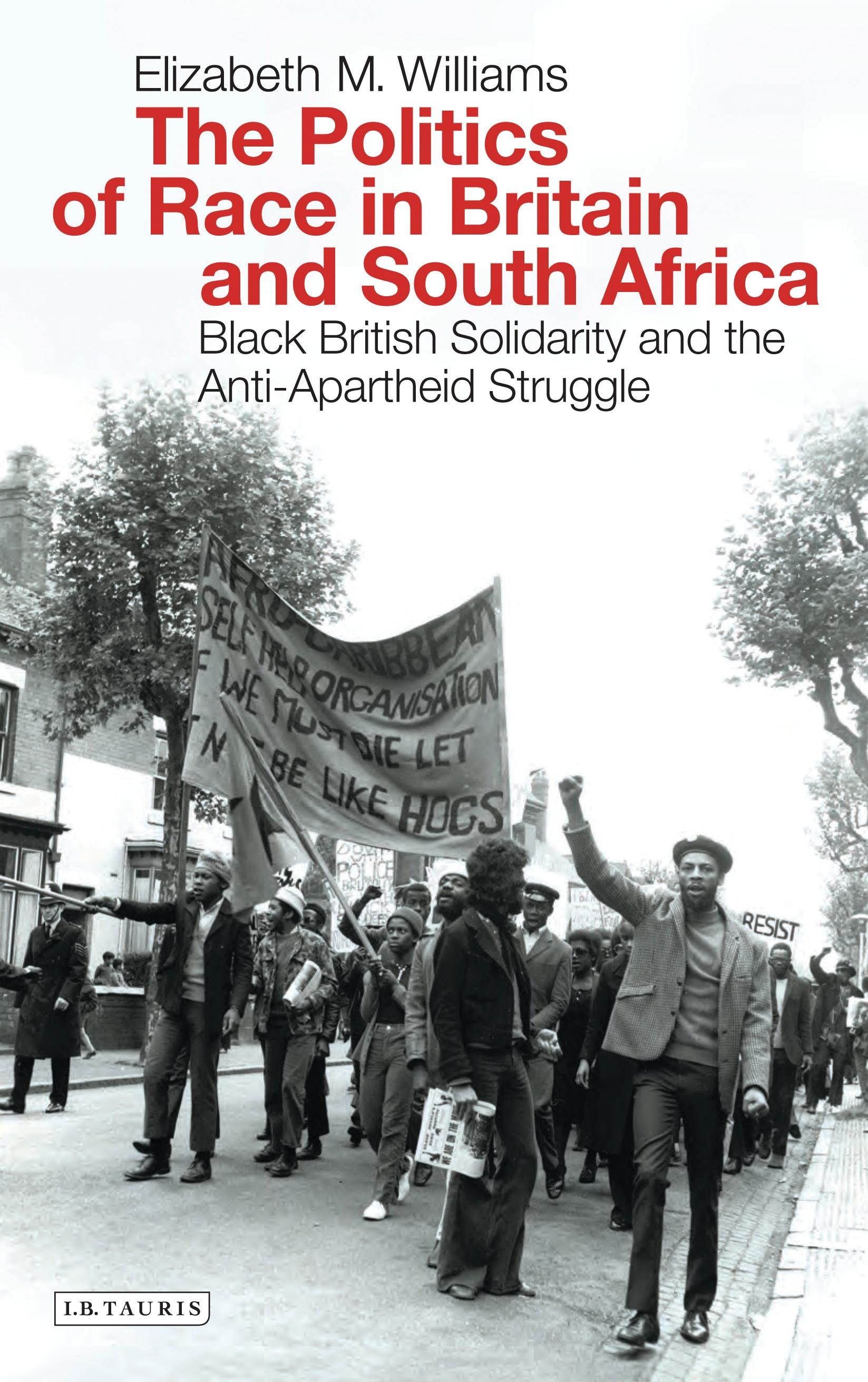
The postwar government of South Africa, led by H.F. Verwoerd, implemented wide-ranging racial segregation laws, beginning the open policy of apartheid in one of Africa's most prosperous and internationally influential states. During the apartheid era, the British government faced an uneasy dilemma: while repudiating apartheid laws it maintained an ambiguous stance towards the South African government. As black South Africans were reduced to the status of non-citizens after the 1970 Citizenship Act, increasing numbers of exiles and fugitives were finding refuge in Britain, which was now home to a growing anti-apartheid protest movement. This is the first book to examine the British support for the anti-apartheid movement among its own black communities. Elizabeth Williams highlights the connection between domestic anti-racism struggles and the struggle in South Africa, showing how black Britons who were themselves fighting racism in British society identified and expressed solidarity with black South Africans during the Apartheid years. Williams further assesses the way in which Black communities in Britain viewed Margaret Thatcher's support of South Africa despite the international call for sanctions. Featuring the work of acclaimed documentary photographer and civil rights activist Vanley Burke, this will be an essential book for students and scholars of race, British history, international relations, post-colonial studies and South African history.
Betaal eenvoudig met kaart, Klarna, Apple Pay of Google Pay. Niet tevreden? Je hebt altijd 14 dagen bedenktijd. Lees meer in onze voorwaarden. Heb je vragen, mail ons dan via hello@memmo.org.
Memmo maakt studeren makkelijker – waar je ook bent ter wereld. Wij brengen je cursusboeken en slimme studietools samen op één plek: samenvattingen, quizzen, podcasts en flashcards. En Ted, je studievriend die antwoord geeft op alles wat je je afvraagt. Meer dan 50.000 studenten studeren hier al – gebouwd om je sneller te laten leren en minder stress te geven.