
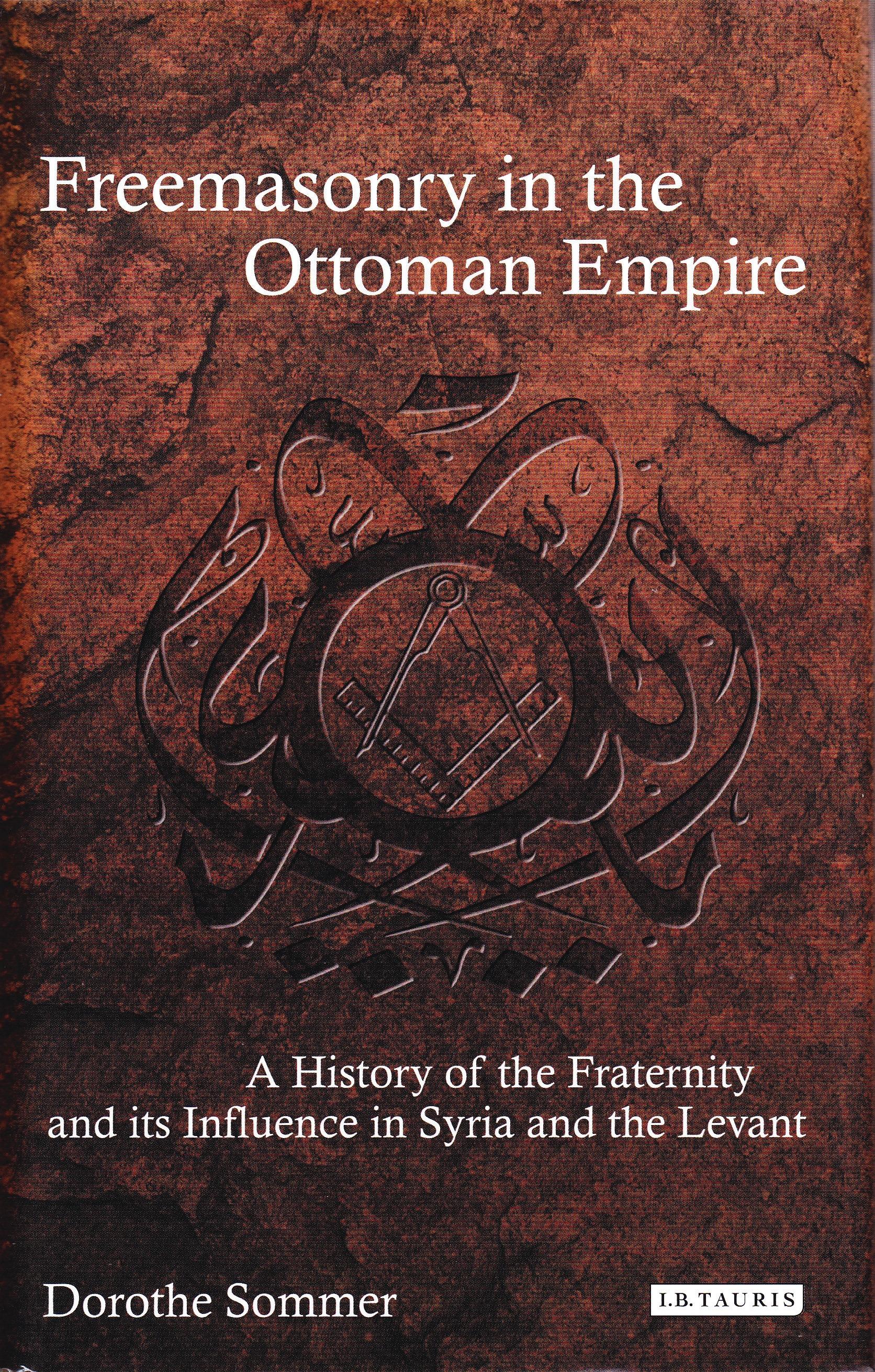
The network of freemasons and Masonic lodges in the Middle East is an opaque and mysterious one, and is all too often seen – within the area – as a vanguard for Western purposes of regional domination. But here, Dorothe Sommer explains how freemasonry in Greater Syria at the end of the nineteenth and beginning of the twentieth century actually developed a life of its own, promoting local and regional identities. She stresses that during the rule of the Ottoman Empire, freemasonry was actually one of the first institutions in what is now Syria and Lebanon which overcame religious and sectarian divisions. Indeed, the lodges attracted more participants – such as the members of the Trad and Yaziji Family, Khaireddeen Abdulwahab, Hassan Bayhum, Alexander Barroudi and Jurji Yanni - than any other society or fraternity. Freemasonry in the Ottoman Empire analyses the social and cultural structures of the Masonic network of lodges and their interconnections at a pivotal juncture in the history of the Ottoman Empire, making it invaluable for researchers of the history of the Middle East.
Betaal eenvoudig met kaart, Klarna, Apple Pay of Google Pay. Niet tevreden? Je hebt altijd 14 dagen bedenktijd. Lees meer in onze voorwaarden. Heb je vragen, mail ons dan via hello@memmo.org.
Memmo maakt studeren makkelijker – waar je ook bent ter wereld. Wij brengen je cursusboeken en slimme studietools samen op één plek: samenvattingen, quizzen, podcasts en flashcards. En Ted, je studievriend die antwoord geeft op alles wat je je afvraagt. Meer dan 50.000 studenten studeren hier al – gebouwd om je sneller te laten leren en minder stress te geven.