
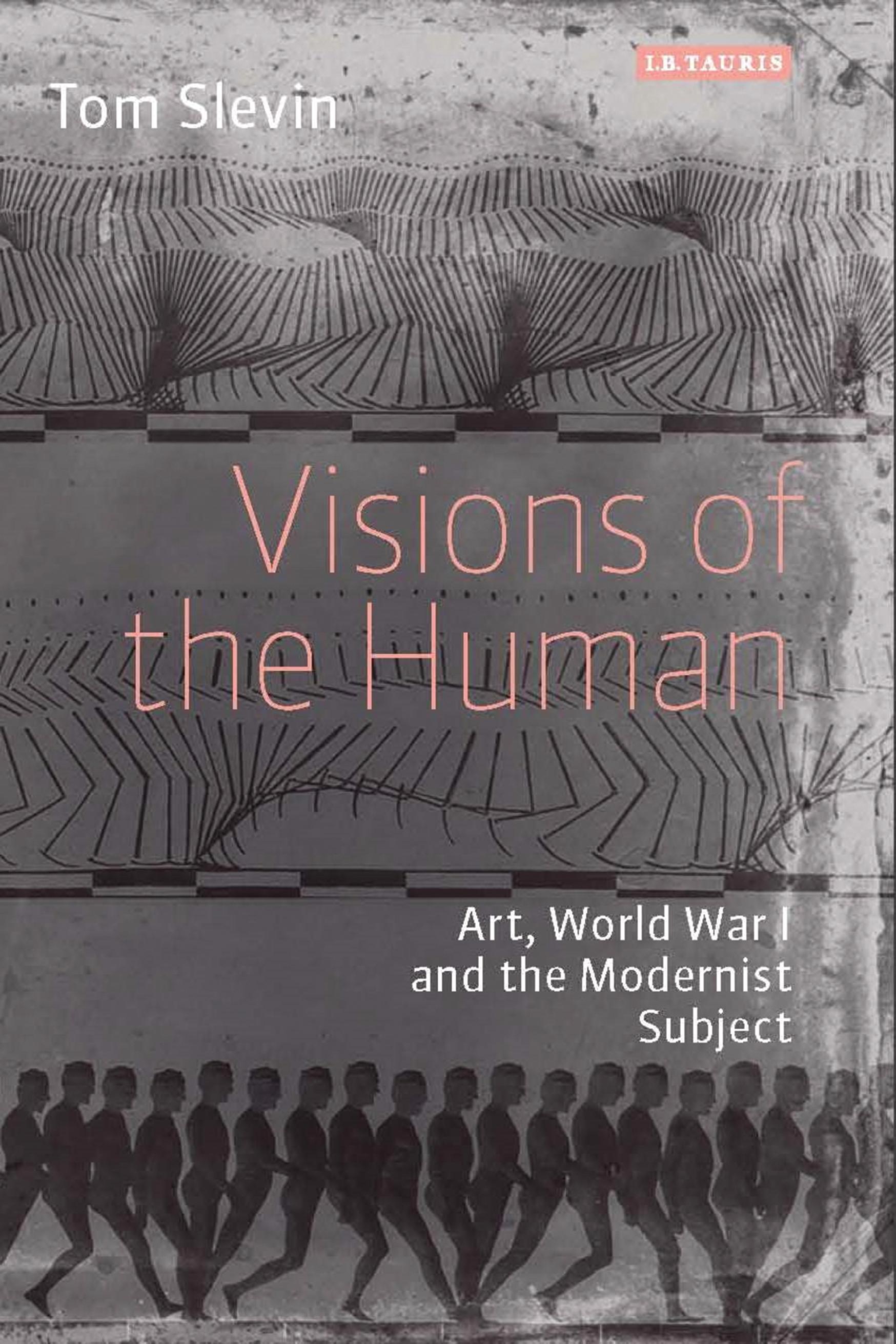
In what ways do the artistic avant-garde's representations of the human body reflect the catastrophe of World War I? The European modernists were inspired by developments in the nineteenth-century, yielding new forms of knowledge about the nature of reality and repositioning the human body as the new 'object' of knowledge. New 'visions' of the human subject were created within this transformation. However, modernity's reactionary political climate - for which World War I provided a catalyst - transformed a once liberal ideal between humanity, environment, and technology, into a tool of disciplinary rationalisation. Visions of the Human considers the consequences of this historical moment for the twentieth and twenty-first centuries. It explores the ways in which the 'technologies of the self' that inspired the avant-garde were increasingly instrumentalised by conservative politics, urbanism, consumer capitalism and the society of 'the spectacle'. This is an engaging and powerful study which challenges prior ideas and explores new ways of thinking about modern visual culture.
Betaal eenvoudig met kaart, Klarna, Apple Pay of Google Pay. Niet tevreden? Je hebt altijd 14 dagen bedenktijd. Lees meer in onze voorwaarden. Heb je vragen, mail ons dan via hello@memmo.org.
Memmo maakt studeren makkelijker – waar je ook bent ter wereld. Wij brengen je cursusboeken en slimme studietools samen op één plek: samenvattingen, quizzen, podcasts en flashcards. En Ted, je studievriend die antwoord geeft op alles wat je je afvraagt. Meer dan 50.000 studenten studeren hier al – gebouwd om je sneller te laten leren en minder stress te geven.