
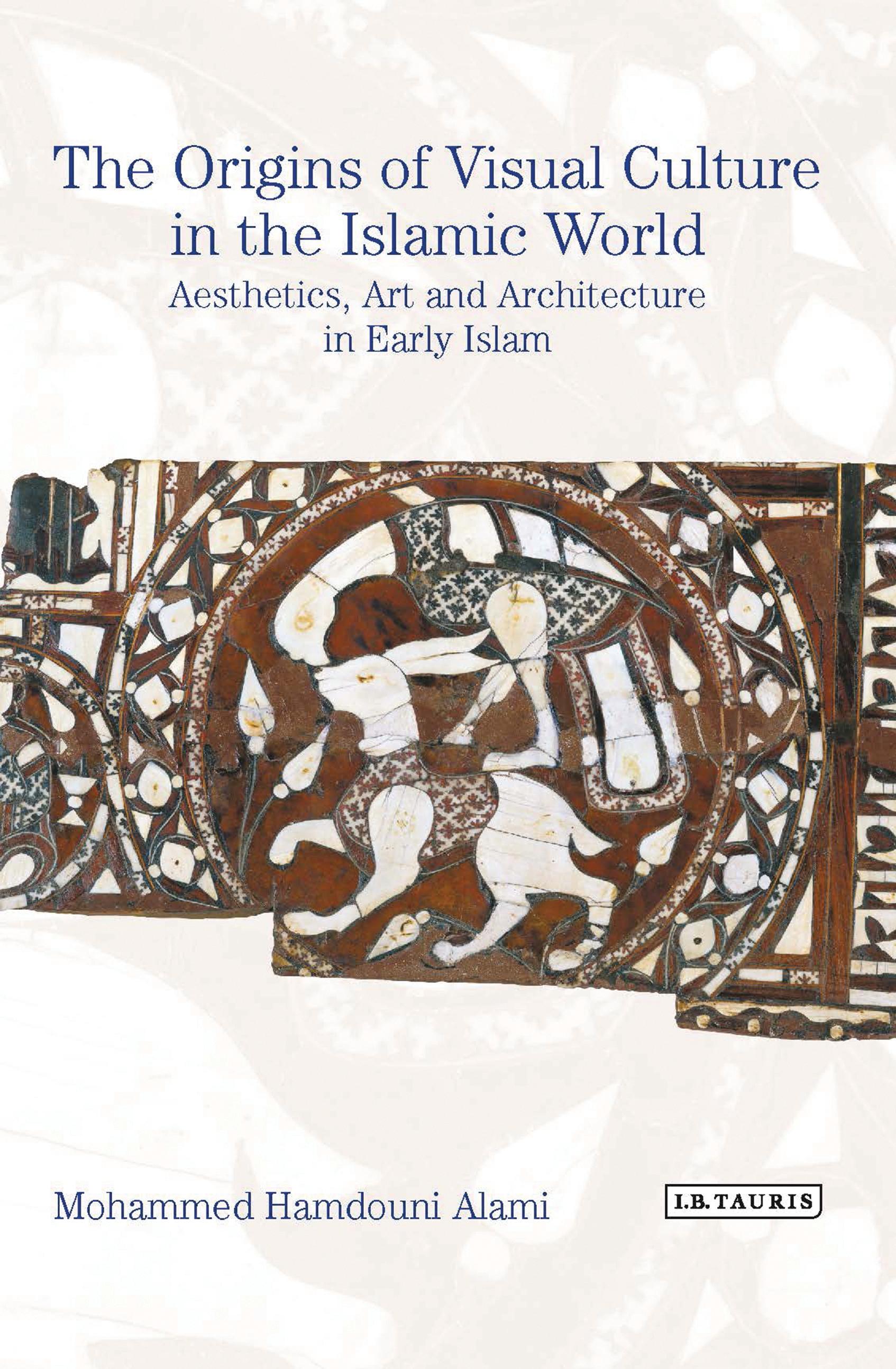
In tenth-century Iraq, a group of Arab intellectuals and scholars known as the Ikhwan al-Safa began to make their intellectual mark on the society around them. A mysterious organisation, the identities of its members have never been clear. But its contribution to the philosophy, art and culture of the era - and indeed subsequent ones - is evident. In the visual arts, for example, Hamdouni Alami argues that the theory of human proportions which the Ikwan al-Safa propounded (something very similar to those of da Vinci), helped shape the evolution of the philosophy of aesthetics, art and architecture in the tenth and eleventh centuries CE, in particular in Egypt under the Fatimid rulers. By examining the arts of the Fatimids, focusing on painting and architectural works such as the first Fatimid mosque in al-Mahdiyya, Tunisia, Hamdouni Alami offers analysis of the debates surrounding the ethics of the appreciation of Islamic art and architecture from a vital time in medieval Middle Eastern history, and shows their similarity with aesthetic debates of Italian Renaissance
Betaal eenvoudig met kaart, Klarna, Apple Pay of Google Pay. Niet tevreden? Je hebt altijd 14 dagen bedenktijd. Lees meer in onze voorwaarden. Heb je vragen, mail ons dan via hello@memmo.org.
Memmo maakt studeren makkelijker – waar je ook bent ter wereld. Wij brengen je cursusboeken en slimme studietools samen op één plek: samenvattingen, quizzen, podcasts en flashcards. En Ted, je studievriend die antwoord geeft op alles wat je je afvraagt. Meer dan 50.000 studenten studeren hier al – gebouwd om je sneller te laten leren en minder stress te geven.