
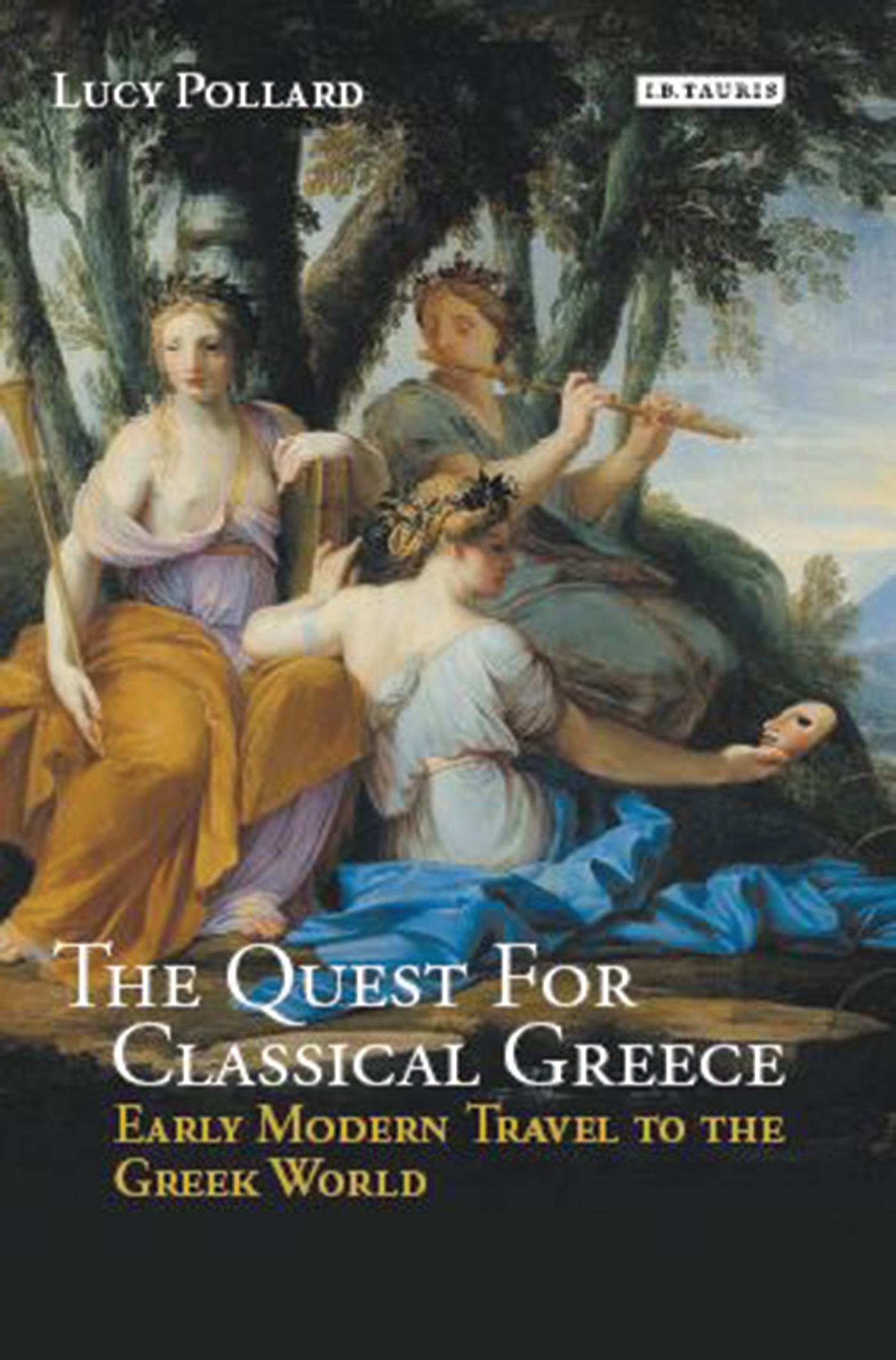
Greece and Asia Minor proved an irresistible lure to English visitors in the seventeenth century. These lands were criss-crossed by adventurers, merchants, diplomats and men of the cloth. In particular, John Covel (1638-1722) - chaplain to the Levant Company in the 1670s, later Master of Christ's College, Cambridge - was representative of a thoroughly eccentric band of Englishmen who saw Greece and the Ottoman world through the lens of classical history. Using a variety of sources, including Covel's largely unpublished diaries, Lucy Pollard shows that these curious travellers imported, alongside their copies of Pausanias and Strabo, a package of assumptions about the societies they discovered. Disparaging contemporary Greeks as unworthy successors to their classical ancestors allowed Englishmen to view themselves as the true inheritors of classical culture, even as - when opportunity arose - they removed antiquities from the sites they described. At the same time, they often admired the Turks, about whom they had fewer preconceptions. This is a major contribution to reception and post-Restoration ideas about antiquity.
Betaal eenvoudig met kaart, Klarna, Apple Pay of Google Pay. Niet tevreden? Je hebt altijd 14 dagen bedenktijd. Lees meer in onze voorwaarden. Heb je vragen, mail ons dan via hello@memmo.org.
Memmo maakt studeren makkelijker – waar je ook bent ter wereld. Wij brengen je cursusboeken en slimme studietools samen op één plek: samenvattingen, quizzen, podcasts en flashcards. En Ted, je studievriend die antwoord geeft op alles wat je je afvraagt. Meer dan 50.000 studenten studeren hier al – gebouwd om je sneller te laten leren en minder stress te geven.