
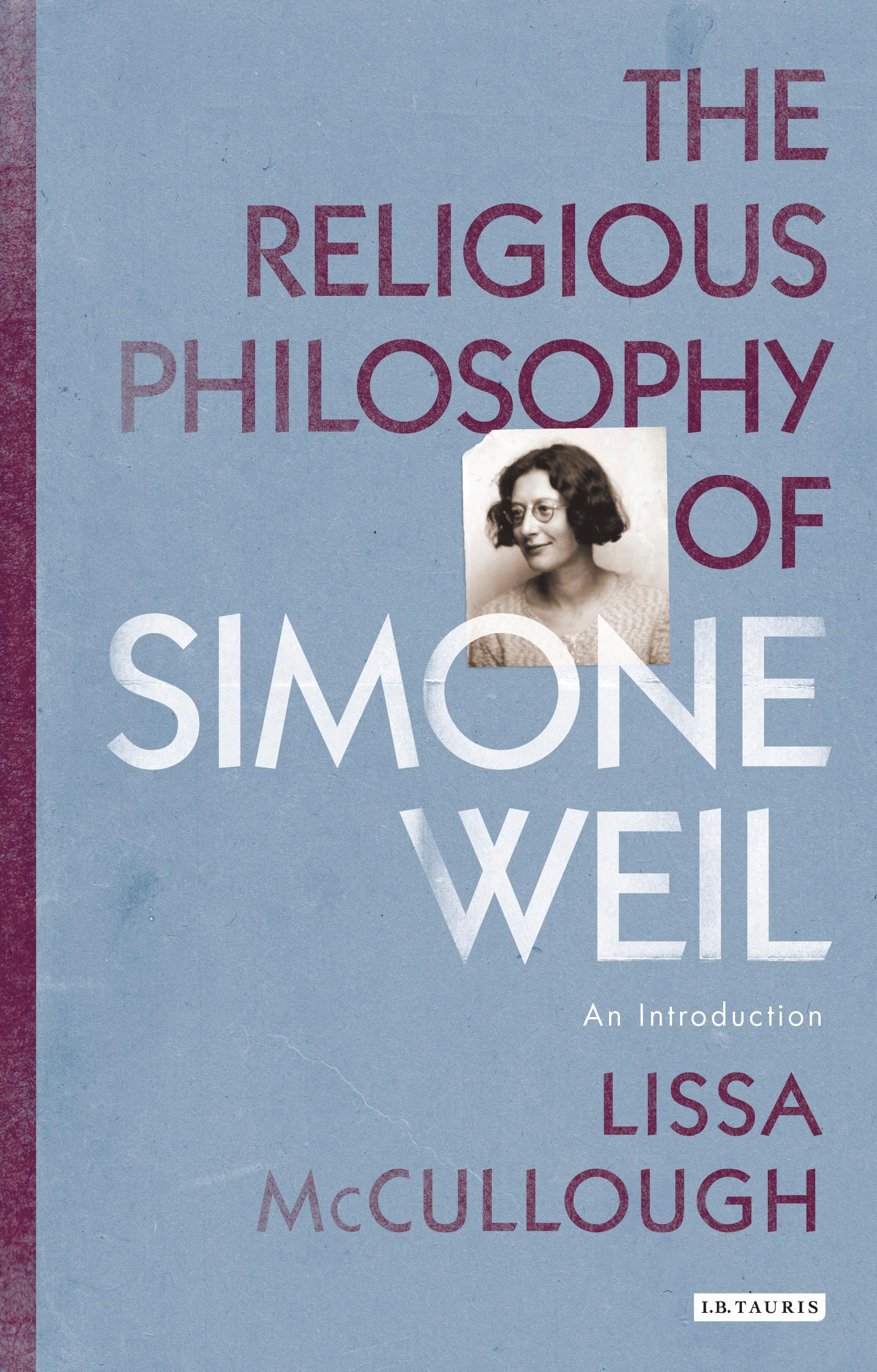
The French philosopher Simone Weil (1909-1943), a contemporary of Simone de Beauvoir and Jean-Paul Sartre, remains in every way a thinker for our times. She was an outsider, in multiple senses, defying the usual religious categories: at once atheistic and religious; mystic and realist; sceptic and believer. She speaks therefore to the complex sensibilities of a rationalist age. Yet despite her continuing relevance, and the attention she attracts from philosophy, cultural studies, feminist studies, spirituality and beyond, Weil's reflections can still be difficult to grasp, since they were expressed in often inscrutable and fragmentary form. Lissa McCullough here offers a reliable guide to the key concepts of Weil's religious philosophy: good and evil, the void, gravity, grace, beauty, suffering and waiting for God. In addressing such distinctively contemporary concerns as depression, loneliness and isolation, and in writing hauntingly of God's voluntary 'nothingness', Weil's existential paradoxes continue to challenge and provoke. This is the first introductory book to show the essential coherence of her enigmatic but remarkable ideas about religion.
Betaal eenvoudig met kaart, Klarna, Apple Pay of Google Pay. Niet tevreden? Je hebt altijd 14 dagen bedenktijd. Lees meer in onze voorwaarden. Heb je vragen, mail ons dan via hello@memmo.org.
Memmo maakt studeren makkelijker – waar je ook bent ter wereld. Wij brengen je cursusboeken en slimme studietools samen op één plek: samenvattingen, quizzen, podcasts en flashcards. En Ted, je studievriend die antwoord geeft op alles wat je je afvraagt. Meer dan 50.000 studenten studeren hier al – gebouwd om je sneller te laten leren en minder stress te geven.