
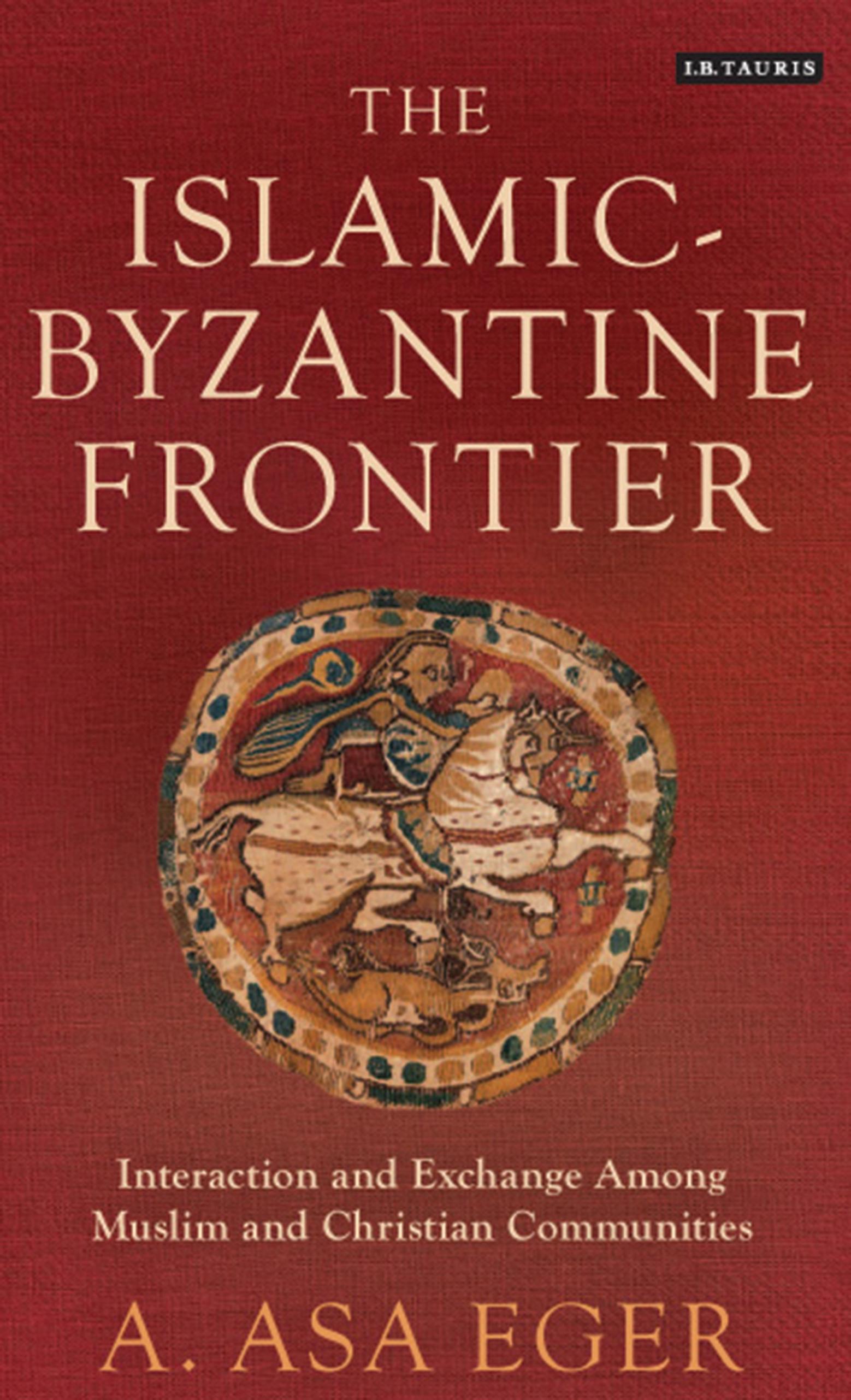
The retreat of the Byzantine army from Syria in around 650 CE, in advance of the approaching Arab armies, is one that has resounded emphatically in the works of both Islamic and Christian writers, and created an enduring motif: that of the Islamic-Byzantine frontier. For centuries, Byzantine and Islamic scholars have evocatively sketched a contested border: the annual raids between the two, the line of fortified fortresses defending Islamic lands, the no-man's land in between and the birth of jihad. In their early representations of a Muslim-Christian encounter, accounts of the Islamic-Byzantine frontier are charged with significance for a future 'clash of civilizations' that often envisions a polarised world. A. Asa Eger examines the two aspects of this frontier: its physical and ideological ones. By highlighting the archaeological study of the real and material frontier, as well as acknowledging its ideological military and religious implications, he offers a more complex vision of this dividing line than has been traditionally disseminated. With analysis grounded in archaeological evidence as well the relevant historical texts, Eger brings together a nuanced exploration of this vital element of medieval history.
Betaal eenvoudig met kaart, Klarna, Apple Pay of Google Pay. Niet tevreden? Je hebt altijd 14 dagen bedenktijd. Lees meer in onze voorwaarden. Heb je vragen, mail ons dan via hello@memmo.org.
Memmo maakt studeren makkelijker – waar je ook bent ter wereld. Wij brengen je cursusboeken en slimme studietools samen op één plek: samenvattingen, quizzen, podcasts en flashcards. En Ted, je studievriend die antwoord geeft op alles wat je je afvraagt. Meer dan 50.000 studenten studeren hier al – gebouwd om je sneller te laten leren en minder stress te geven.