
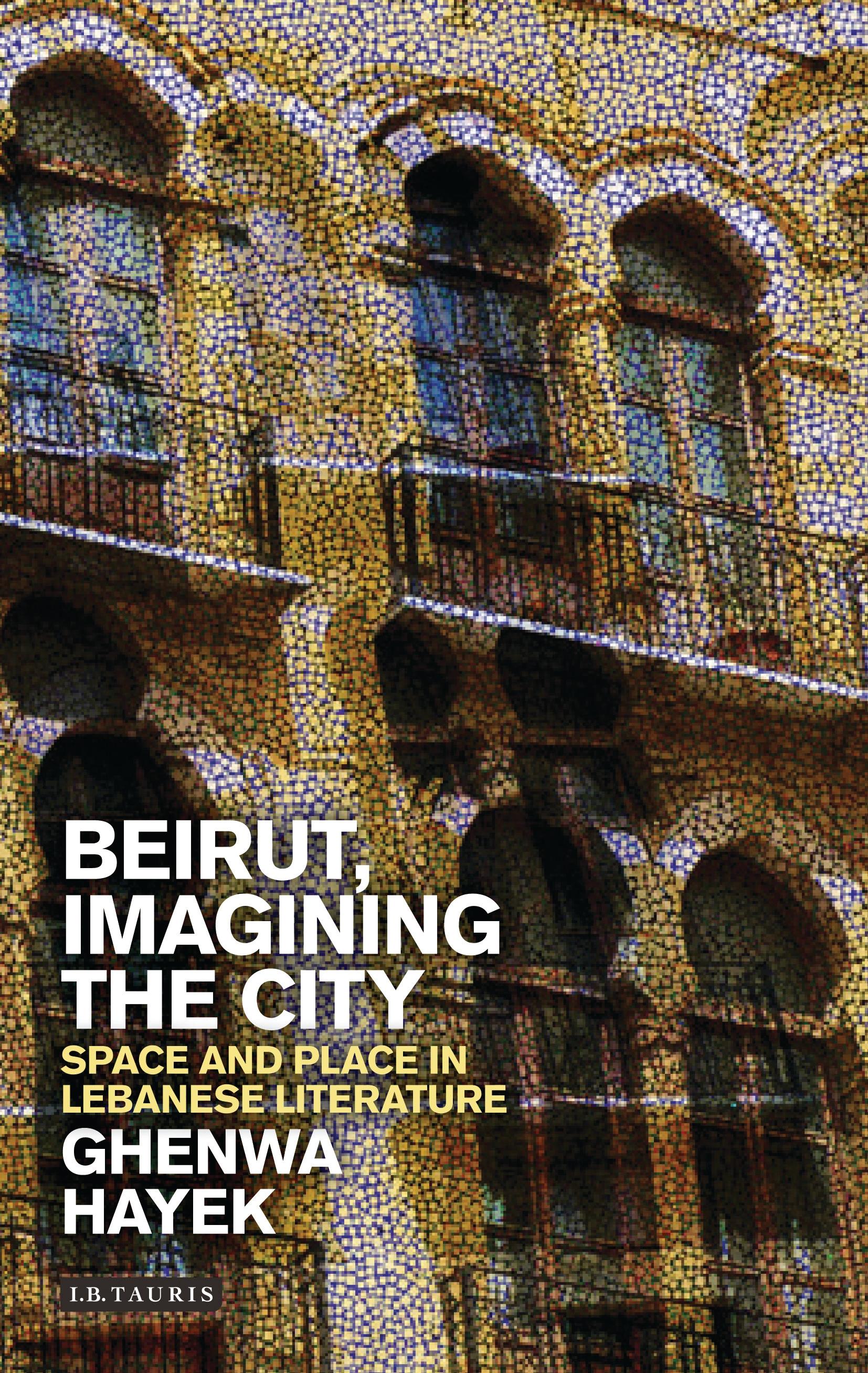
Beirut is the cultural, commercial and economic hub of Lebanon. But to what extent has the city affected and shaped the formation and perceptions of Lebanese national identity? Ghenwa Hayek here explores how anxieties over the past, present and future of Beirut have been articulated through a sense of dislocation present in Lebanese writing since the 1960s. Drawing on theories of cultural studies, geography and history, the author uses an interdisciplinary framework to explore the role that spaces - from rural to urban - have played and continue to play in the defining, and re-defining, of national identity in the seventy years since the creation of the Lebanese nation state. This theoretical perspective coupled with a close reading of little-explored contemporary writings lead Hayek to question the predominant assumption that Lebanese novelists only became engaged in discourses about place identity and individual and social belonging with the start of the fifteen-year civil war and the destruction of Beirut's city centre.
Instead, the book shows that particular geographical imaginaries have been mobilized to describe, question and debate Lebanese identity since the 1960s and that some go back even further into the late nineteenth century. This re-reading calls for a re-evaluation of some of the most predominant assumptions about Lebanon and the processes of Lebanese identity formation across the country's modern history. Examining a wide range of modern and contemporary literature, Hayek charts the rise to cultural prominence of the city of Beirut as a significant player in shaping perceptions of Lebanese culture and identity.
Instead, the book shows that particular geographical imaginaries have been mobilized to describe, question and debate Lebanese identity since the 1960s and that some go back even further into the late nineteenth century. This re-reading calls for a re-evaluation of some of the most predominant assumptions about Lebanon and the processes of Lebanese identity formation across the country's modern history. Examining a wide range of modern and contemporary literature, Hayek charts the rise to cultural prominence of the city of Beirut as a significant player in shaping perceptions of Lebanese culture and identity.
Betaal eenvoudig met kaart, Klarna, Apple Pay of Google Pay. Niet tevreden? Je hebt altijd 14 dagen bedenktijd. Lees meer in onze voorwaarden. Heb je vragen, mail ons dan via hello@memmo.org.
Memmo maakt studeren makkelijker – waar je ook bent ter wereld. Wij brengen je cursusboeken en slimme studietools samen op één plek: samenvattingen, quizzen, podcasts en flashcards. En Ted, je studievriend die antwoord geeft op alles wat je je afvraagt. Meer dan 50.000 studenten studeren hier al – gebouwd om je sneller te laten leren en minder stress te geven.