
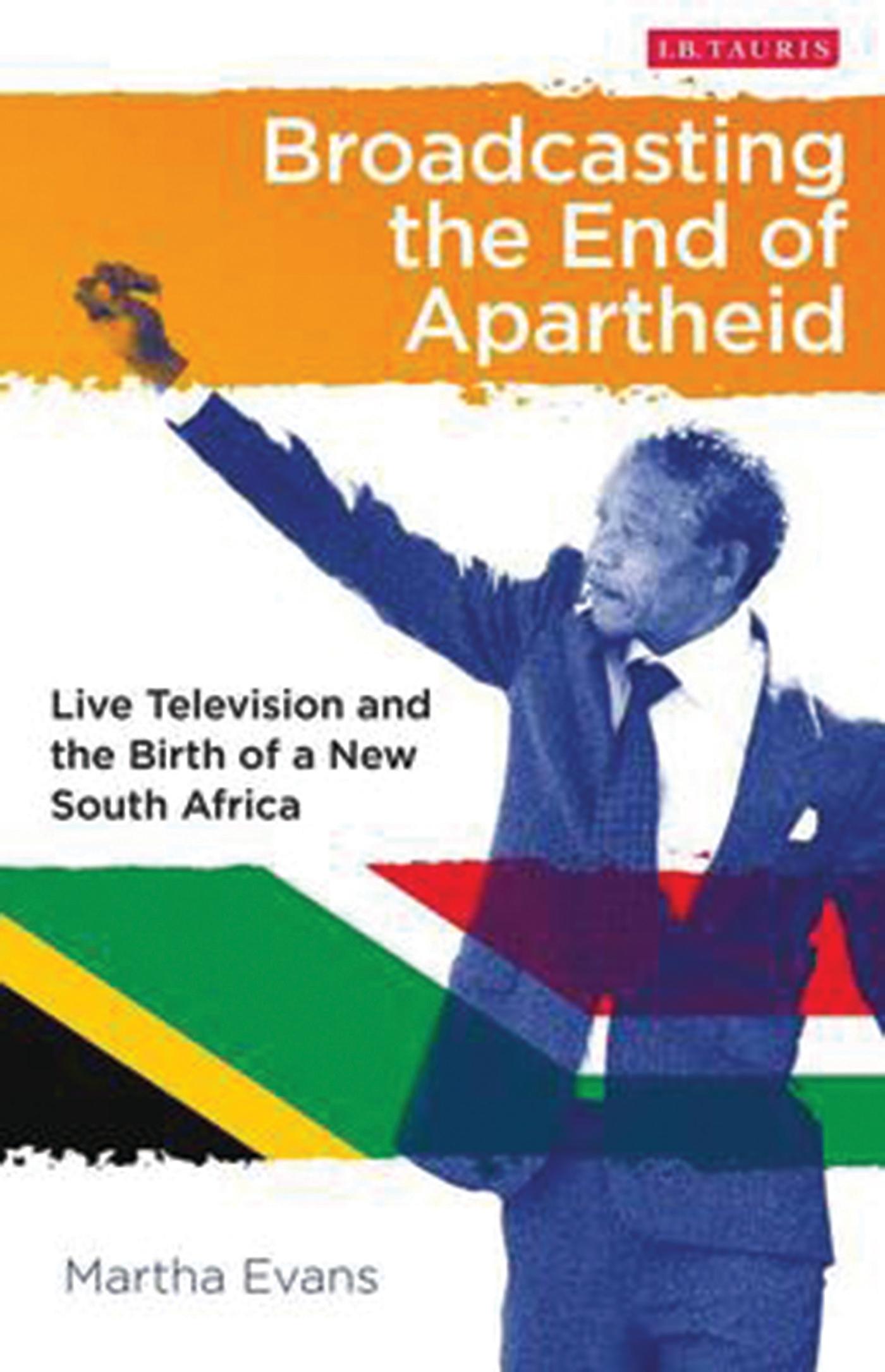
South Africa came late to television; when it finally arrived in the late 1970s the rest of the world had already begun to boycott the country because of apartheid. While the ruling National Party feared the integrative effects of television, they did not foresee how exclusion from globally unifying broadcasts would gradually erode their power. South Africa was barred from participating in some of television's greatest global attractions (including sporting events such as the Olympics and contests such as Miss World). With the release of Nelson Mandela from prison came a proliferation of large-scale live broadcasts as the country was permitted to return to international competition, and its re-admittance was played out on television screens across the world. These events were pivotal in shaping and consolidating the country's emerging post-apartheid national identity. Broadcasting the End of Apartheid assesses the socio-political effects of live broadcasting on South Africa's transition to democracy.
Martha Evans argues that just as print media had a powerful influence on the development of Afrikaner nationalism, so the 'liveness' of television helped to consolidate the post-apartheid South African national identity.
Martha Evans argues that just as print media had a powerful influence on the development of Afrikaner nationalism, so the 'liveness' of television helped to consolidate the post-apartheid South African national identity.
Betaal eenvoudig met kaart, Klarna, Apple Pay of Google Pay. Niet tevreden? Je hebt altijd 14 dagen bedenktijd. Lees meer in onze voorwaarden. Heb je vragen, mail ons dan via hello@memmo.org.
Memmo maakt studeren makkelijker – waar je ook bent ter wereld. Wij brengen je cursusboeken en slimme studietools samen op één plek: samenvattingen, quizzen, podcasts en flashcards. En Ted, je studievriend die antwoord geeft op alles wat je je afvraagt. Meer dan 50.000 studenten studeren hier al – gebouwd om je sneller te laten leren en minder stress te geven.