
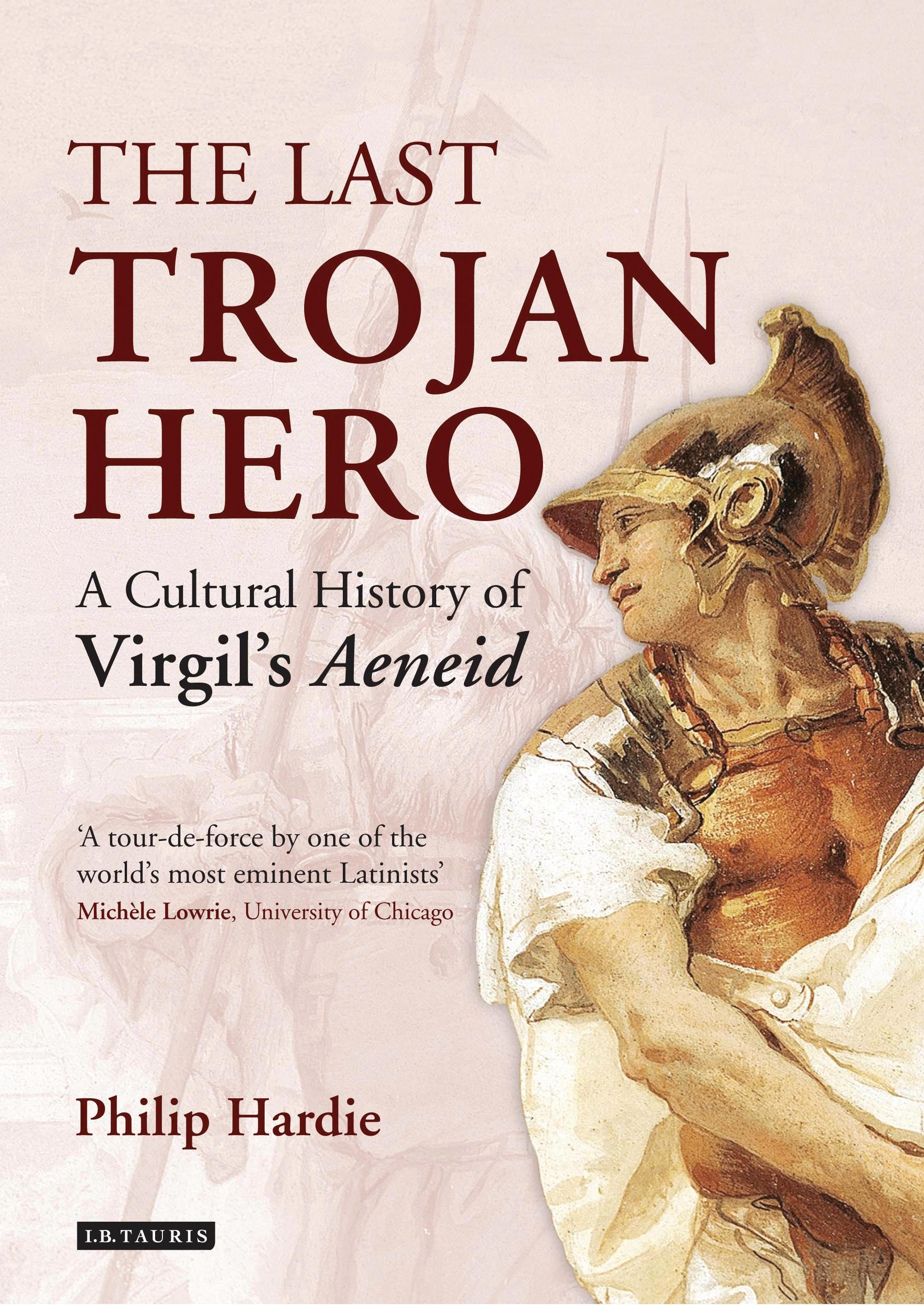
“I sing of arms and of a man: his fate had made him fugitive: he was the first to journey from the coasts of Troy as far as Italy and the Lavinian shores.” The resonant opening lines of Virgil's Aeneid rank among the most famous and consistently recited verses to have been passed down to later ages by antiquity. And after the Odyssey and the Iliad, Virgil's masterpiece is arguably the greatest classical text in the whole of Western literature. This sinuous and richly characterised epic vitally influenced the poetry of Dante, Petrarch and Milton. The doomed love of Dido and Aeneas inspired Purcell, while for T S Eliot Virgil's poem was 'the classic of all Europe'. The poet's stirring tale of a refugee Trojan prince, 'torn from Libyan waves' to found a new homeland in Italy, has provided much fertile material for writings on colonialism and for discourses of ethnic and national identity. The Aeneid has even been viewed as a template and a source of philosophical justification for British and American imperialism and adventurism. In his major new book Philip Hardie explores the many remarkable afterlives - ancient, medieval and modern - of the Aeneid in literature, music, politics, the visual arts and film.
Betaal eenvoudig met kaart, Klarna, Apple Pay of Google Pay. Niet tevreden? Je hebt altijd 14 dagen bedenktijd. Lees meer in onze voorwaarden. Heb je vragen, mail ons dan via hello@memmo.org.
Memmo maakt studeren makkelijker – waar je ook bent ter wereld. Wij brengen je cursusboeken en slimme studietools samen op één plek: samenvattingen, quizzen, podcasts en flashcards. En Ted, je studievriend die antwoord geeft op alles wat je je afvraagt. Meer dan 50.000 studenten studeren hier al – gebouwd om je sneller te laten leren en minder stress te geven.