
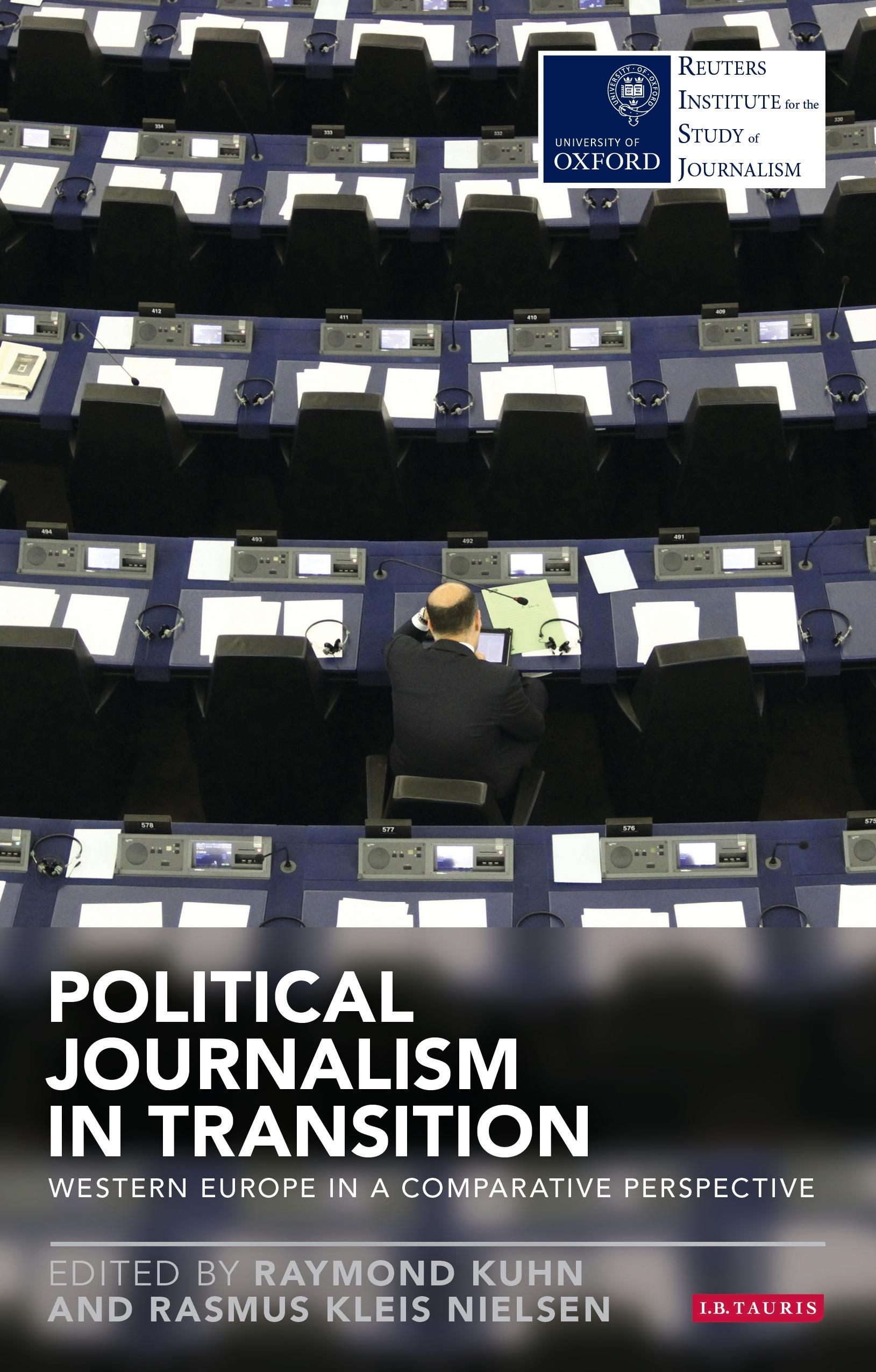
The 21st century has already seen dramatic changes affecting both journalism and politics. The rise of a range of new digital and networked communication technologies combined with the stagnation and decline of many traditional mass media has had a profound impact on political journalism. The arrival of new digital media has affected the ways in which political actors communicate with the public, with or without journalists as intermediaries. Newspapers that once held political leaders to account are now struggling to survive; broadcasters that once gathered whole nations for the evening news are now fighting for relevance faced with innumerable new competitors on cable and digital television; online-only media, such as blogs and social networking sites, are changing how we communicate about politics. News media remain central to political processes, but the ways in which journalists and politicians interact are changing. This book examines how and provides a comprehensive and comparative analysis of the state of political journalism in Western Europe today, including the many challenges facing journalists in this important period of transition.
Betaal eenvoudig met kaart, Klarna, Apple Pay of Google Pay. Niet tevreden? Je hebt altijd 14 dagen bedenktijd. Lees meer in onze voorwaarden. Heb je vragen, mail ons dan via hello@memmo.org.
Memmo maakt studeren makkelijker – waar je ook bent ter wereld. Wij brengen je cursusboeken en slimme studietools samen op één plek: samenvattingen, quizzen, podcasts en flashcards. En Ted, je studievriend die antwoord geeft op alles wat je je afvraagt. Meer dan 50.000 studenten studeren hier al – gebouwd om je sneller te laten leren en minder stress te geven.