
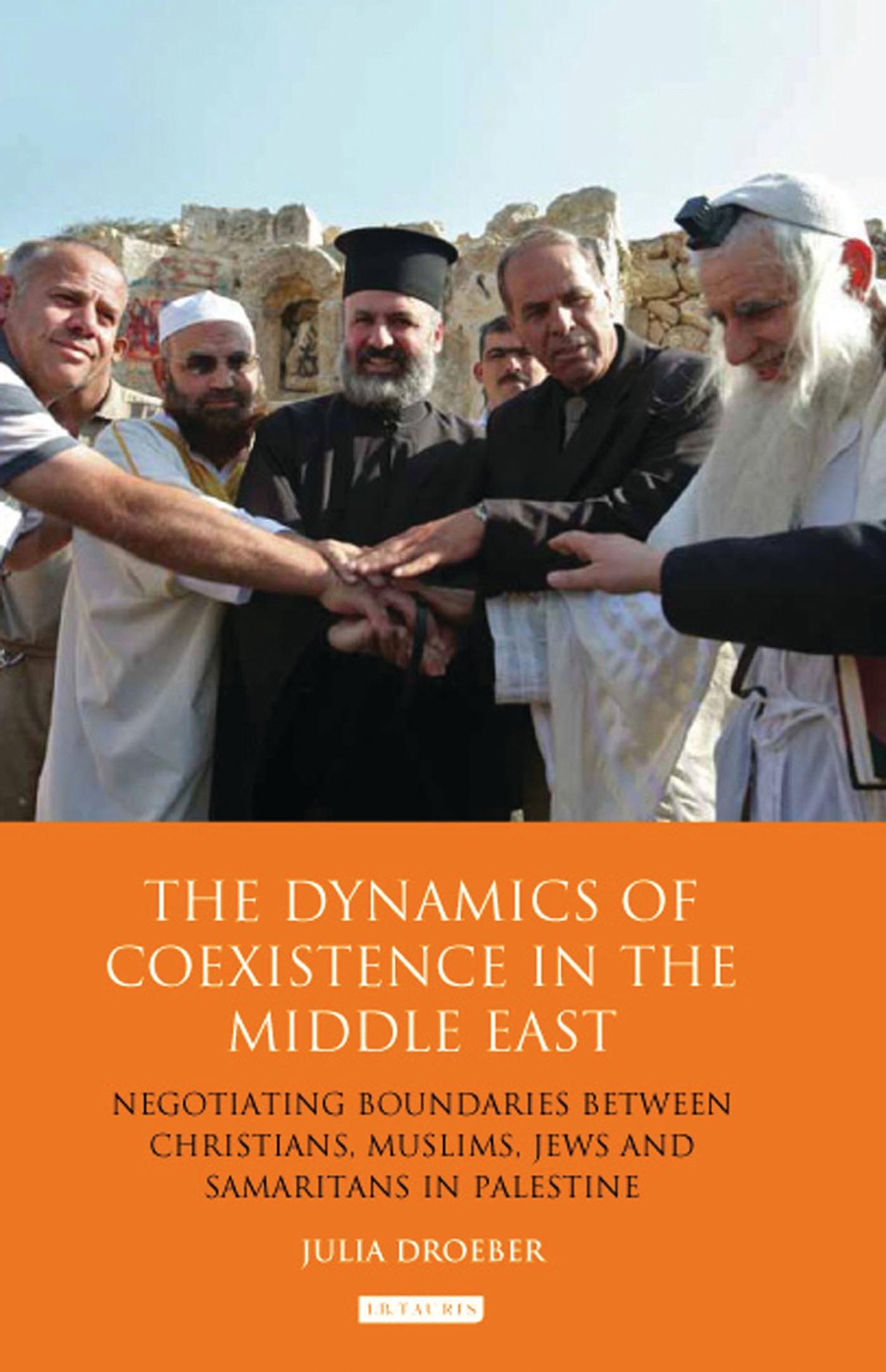
Palestine is often characterised, from afar, as being plagued by insurmountable difference and violent conflict along religious and ethnic lines. Julia Droeber looks beyond this, as she draws out the way in which sameness and difference is constructed and dealt with in the day to day relationships and practices of different religious communities in the West Bank town of Nablus. She follows the reality of coexistence and the constant negotiation of boundaries between Christians, Muslims and one of the last remaining Samaritan communities worldwide, and how these relationships are complicated by an occupier perceived as 'Jewish'. This is a sensitive and nuanced study of cultural and religious space in a much-contested region. It illustrates how differences are reconciled, accommodated and emphasised, while existing alongside a common sense of belonging. Droeber's findings resonate beyond the town of Nablus, and the West Bank, and into the broader fields of Middle East Studies, Anthropology, Comparative Religion and Peace and Conflict Resolution Studies.
Betaal eenvoudig met kaart, Klarna, Apple Pay of Google Pay. Niet tevreden? Je hebt altijd 14 dagen bedenktijd. Lees meer in onze voorwaarden. Heb je vragen, mail ons dan via hello@memmo.org.
Memmo maakt studeren makkelijker – waar je ook bent ter wereld. Wij brengen je cursusboeken en slimme studietools samen op één plek: samenvattingen, quizzen, podcasts en flashcards. En Ted, je studievriend die antwoord geeft op alles wat je je afvraagt. Meer dan 50.000 studenten studeren hier al – gebouwd om je sneller te laten leren en minder stress te geven.