
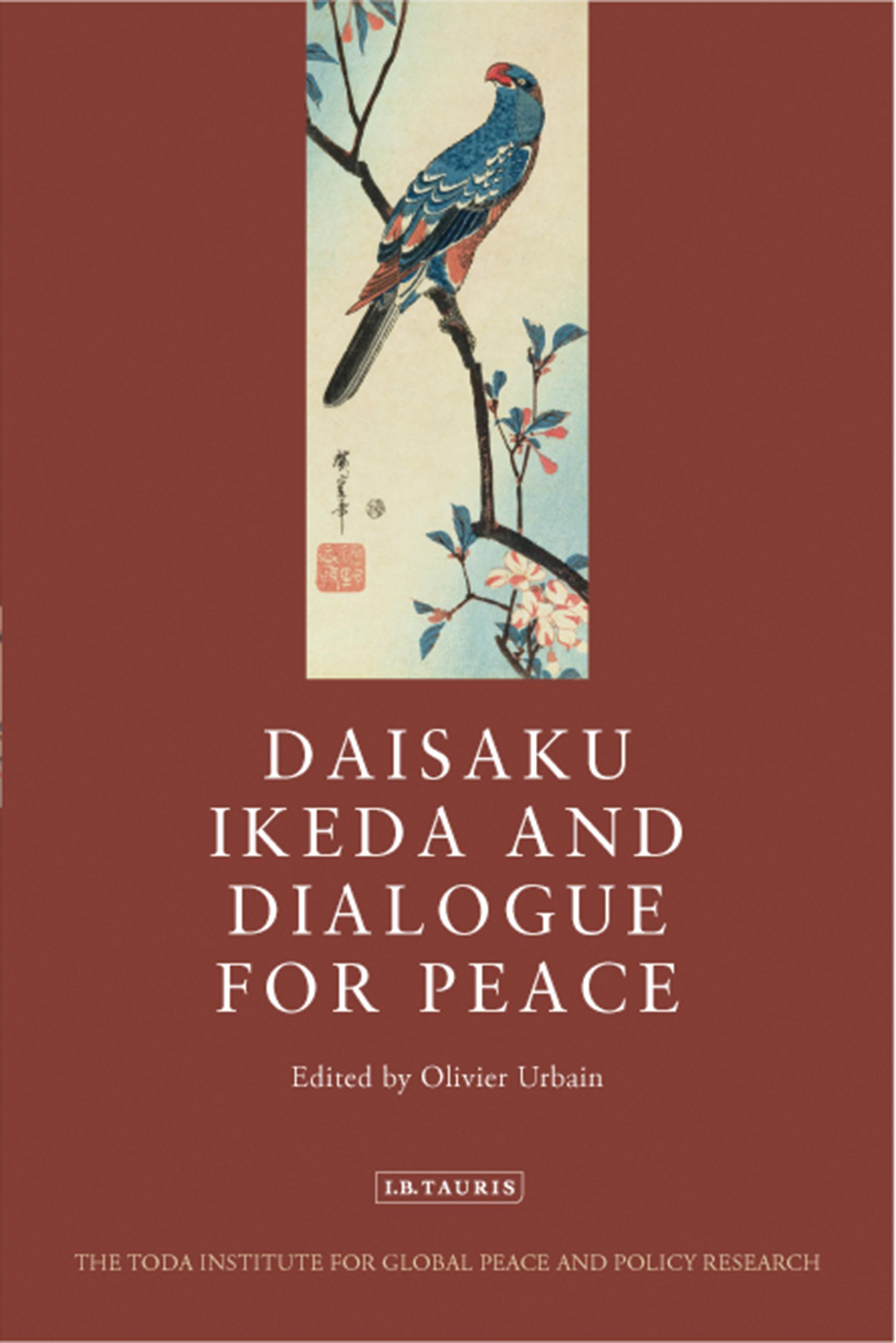
The prominent Buddhist religious leader and advocate for peace, Daisaku Ikeda, has placed dialogue at the centre of his efforts towards securing global justice and conflict resolution. However, far from constituting abstract plans for the future of the world, Ikeda's dialogues represent very concrete and focused activity. He concentrates on one significant individual (such as Joseph Rotblat, Linus Pauling and Mikhail Gorbachev) at a time, or sometimes small groups, in order to attempt the transformation of thinking and society through intense discussion. This book offers detailed exploration of this crucial aspect of Ikeda's philosophy of peace. Contributors examine topics such as: the background to Ikeda's dialogic thinking as found in the Lotus Sutra; Buddhism as a practical philosophy of dialogue; Ikeda's use of dialogue, specifically in the field of education; and dialogue in relation to the abolition of nuclear weapons. Ikeda's concept of dialogue emerges as a paradoxical movement towards common ground based on respectful difference. This study will appeal to students of peace, politics and modern Buddhism.
Betaal eenvoudig met kaart, Klarna, Apple Pay of Google Pay. Niet tevreden? Je hebt altijd 14 dagen bedenktijd. Lees meer in onze voorwaarden. Heb je vragen, mail ons dan via hello@memmo.org.
Memmo maakt studeren makkelijker – waar je ook bent ter wereld. Wij brengen je cursusboeken en slimme studietools samen op één plek: samenvattingen, quizzen, podcasts en flashcards. En Ted, je studievriend die antwoord geeft op alles wat je je afvraagt. Meer dan 50.000 studenten studeren hier al – gebouwd om je sneller te laten leren en minder stress te geven.