
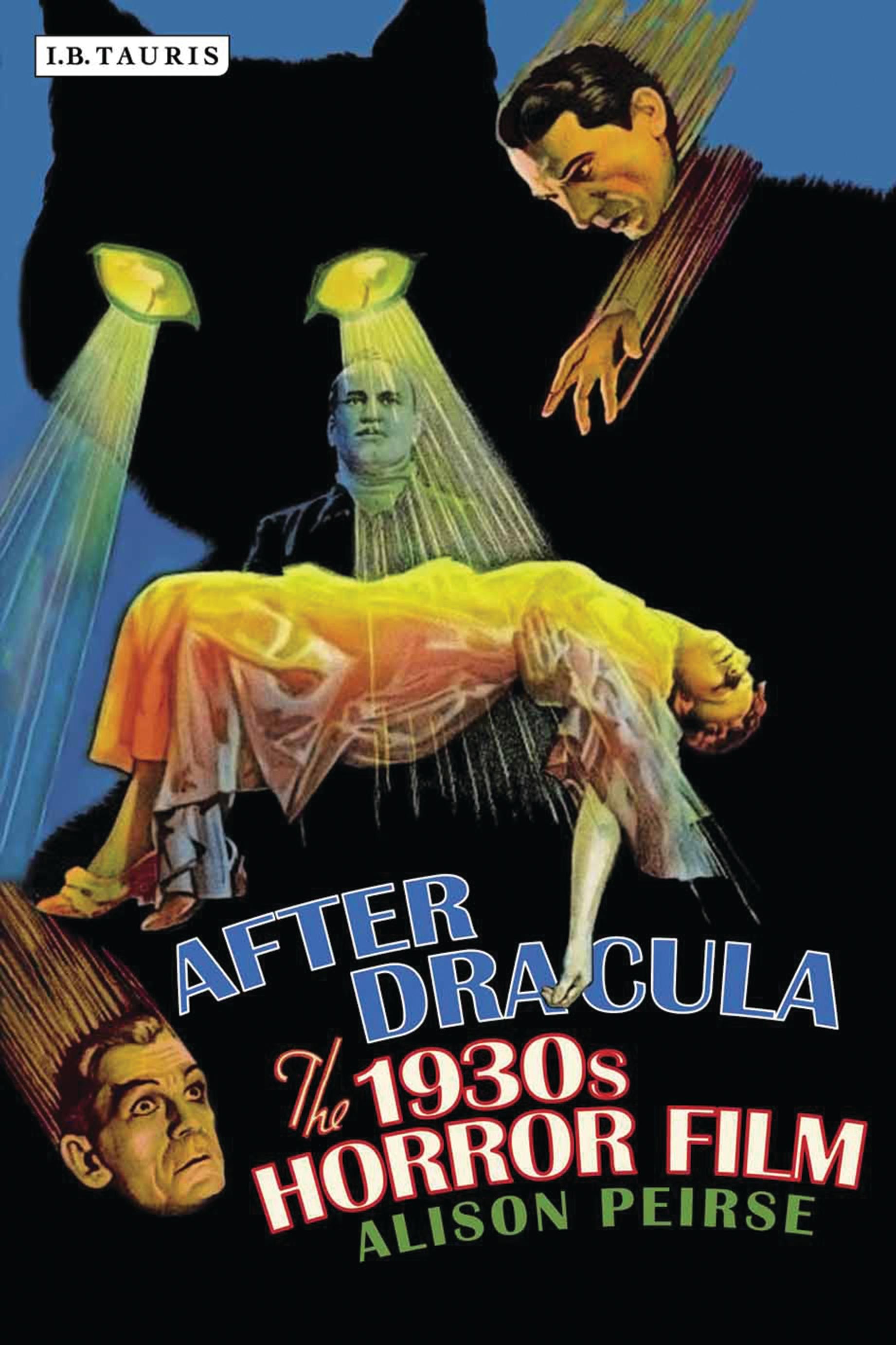
After Dracula tells of films set in London music halls and Yorkshire coal mines, South Sea Islands and Hungarian modernist houses of horror, with narrators that survey the outskirts of contemporary Paris and travel back in time to ancient Egypt. Alison Peirse argues that Dracula (1931) has been canonised to the detriment of other innovative and original 1930s horror films in Europe and America. By casting out the deified vampire, she reveals a cycle of films made over the 1930s that straddle both the pre- and post-regulatory era of the Hays Production Code an stringent censorship from the British Board of Film Censors. These films are indepenedent and studio productions, literary adaptations, folktales and original screenplays, and include Werewolf of London, The Man Who Changed His Mind, Island of Lost Souls and Vampyr. The book considers the horror genre's international evolution during this period, engaging with a number of European horror films that have hitherto received cursory attention. It focuses on the interplay between Continental, British and transatlantic contexts, and particularly on the intriguing, the obscure and the underrated.
Betaal eenvoudig met kaart, Klarna, Apple Pay of Google Pay. Niet tevreden? Je hebt altijd 14 dagen bedenktijd. Lees meer in onze voorwaarden. Heb je vragen, mail ons dan via hello@memmo.org.
Memmo maakt studeren makkelijker – waar je ook bent ter wereld. Wij brengen je cursusboeken en slimme studietools samen op één plek: samenvattingen, quizzen, podcasts en flashcards. En Ted, je studievriend die antwoord geeft op alles wat je je afvraagt. Meer dan 50.000 studenten studeren hier al – gebouwd om je sneller te laten leren en minder stress te geven.