
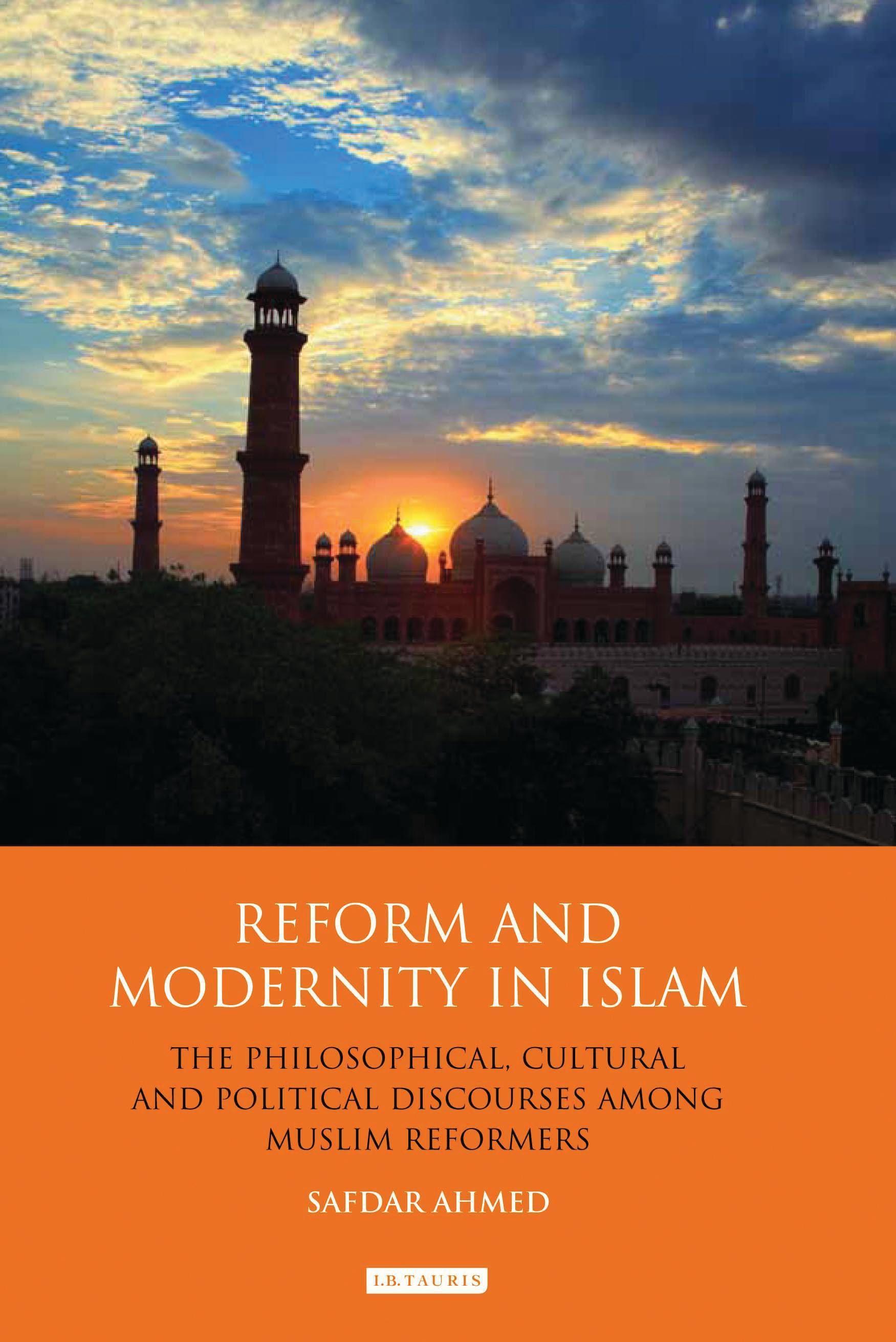
The debate over Islam and modernity tends to be approached from a Eurocentric perspective that presents Western norms as a template for progress - against which Islamic societies can be measured. This misses the historical development of Muslim reformist thought that actively engages with the world around it and seeks to reconfigure Islam within the diverse conditions of modernity. Safdar Ahmed paints a complex and nuanced picture that goes beyond the idea that Muslim reformers have either reproduced or reacted against Western ideas. Rather, Ahmed argues, they have reconstructed and appropriated these ideas, and so the thread of Western influence runs through modern Islamic thought on nationalism and sovereignty, femininity and gender. Ahmed uncovers new historiographical perspectives by critically examining the work of prominent intellectuals, such as Muhammad Abduh, Qasim Amin and Abdul A'la Maududi.
Betaal eenvoudig met kaart, Klarna, Apple Pay of Google Pay. Niet tevreden? Je hebt altijd 14 dagen bedenktijd. Lees meer in onze voorwaarden. Heb je vragen, mail ons dan via hello@memmo.org.
Memmo maakt studeren makkelijker – waar je ook bent ter wereld. Wij brengen je cursusboeken en slimme studietools samen op één plek: samenvattingen, quizzen, podcasts en flashcards. En Ted, je studievriend die antwoord geeft op alles wat je je afvraagt. Meer dan 50.000 studenten studeren hier al – gebouwd om je sneller te laten leren en minder stress te geven.