
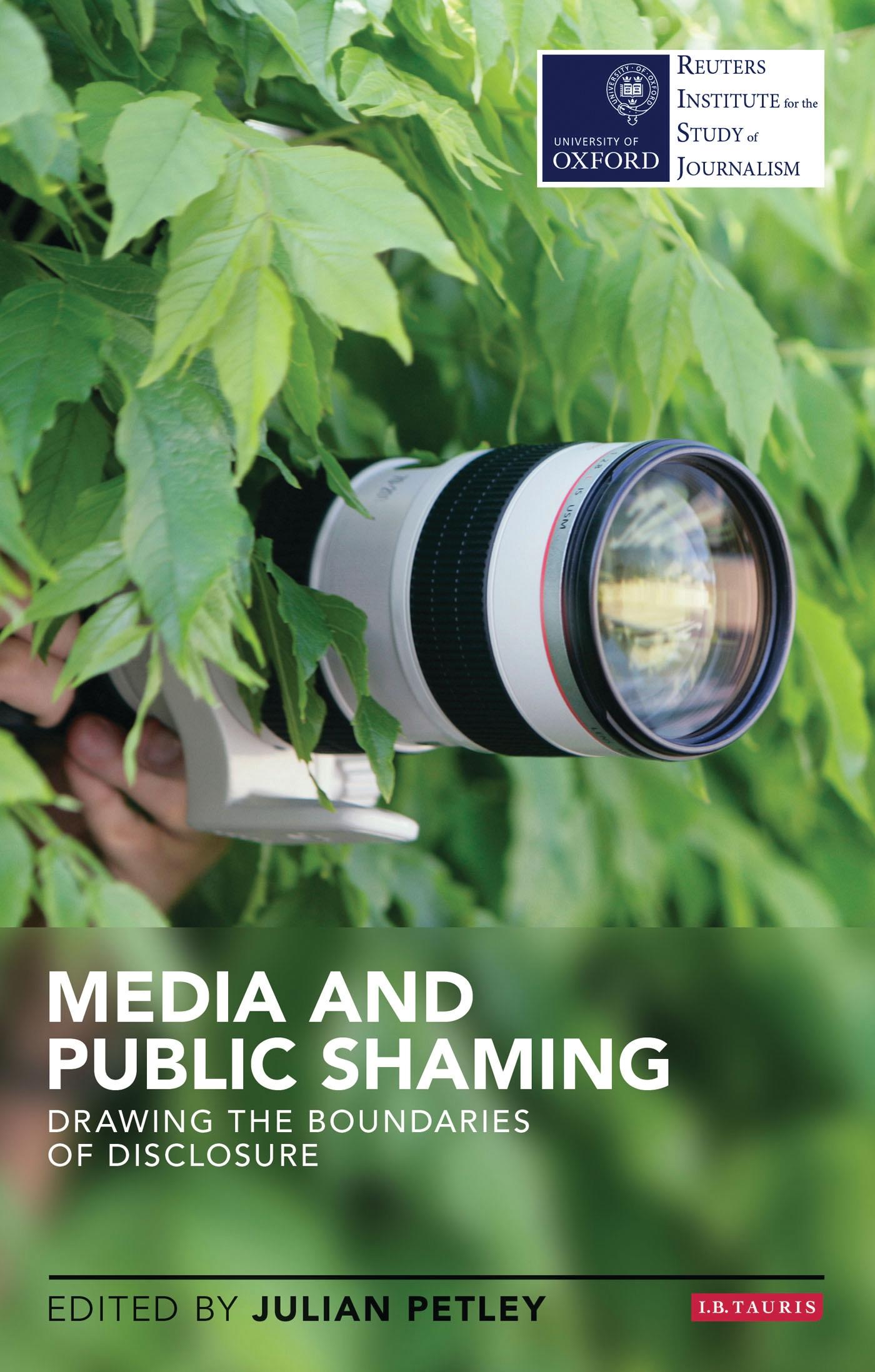
The media today, and especially the national press, are frequently in conflict with people in the public eye, particularly politicians and celebrities, over the disclosure of private information and behaviour. Historically, journalists have argued that 'naming and shaming' serious wrong-doing and behaviour on the part of public officials is justified as being in the public interest. However, when the media spotlight is shone on perfetly legal personal behaviour, family issues and sexual orientation, and when, in particular this involves ordinary people, the question arises of whether such matters are really in the 'public interest' in any meaningful sense of the term. In this book, leading academics, commentators and journalists from a variety of different cultures consider the extent to which the media are entitled to reveal details of people's private lives, the laws and regulations which govern such relations, and whether these are still relevant in the age of social media.
Betaal eenvoudig met kaart, Klarna, Apple Pay of Google Pay. Niet tevreden? Je hebt altijd 14 dagen bedenktijd. Lees meer in onze voorwaarden. Heb je vragen, mail ons dan via hello@memmo.org.
Memmo maakt studeren makkelijker – waar je ook bent ter wereld. Wij brengen je cursusboeken en slimme studietools samen op één plek: samenvattingen, quizzen, podcasts en flashcards. En Ted, je studievriend die antwoord geeft op alles wat je je afvraagt. Meer dan 50.000 studenten studeren hier al – gebouwd om je sneller te laten leren en minder stress te geven.