
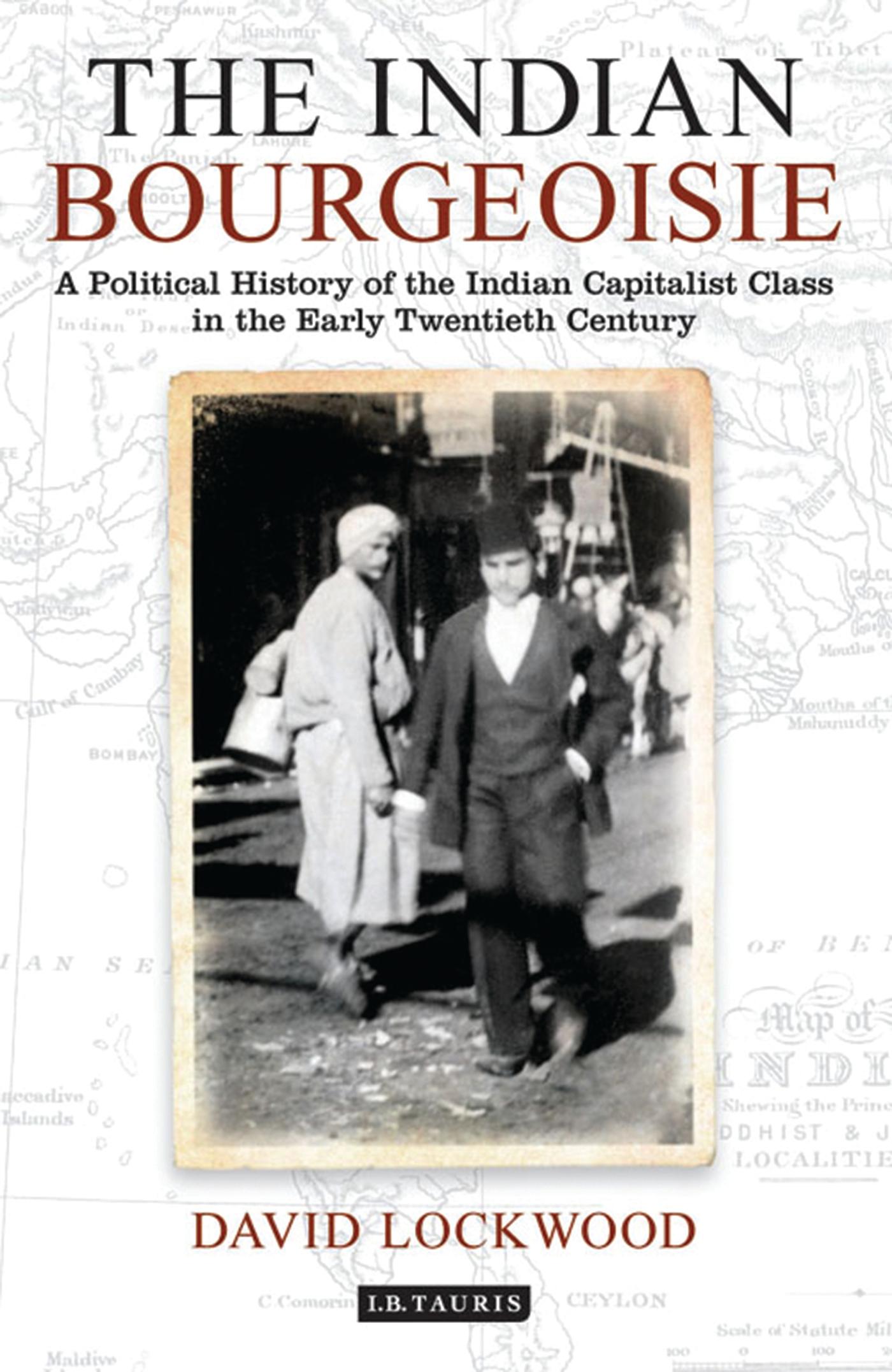
The complex and hard-fought movement for political freedom in India coincided with the rise of a wealthy capitalist class of Indian industrialists who had profited under British rule. By 1947, these prominent businessmen had forged a partnership with the socialist-led Indian National Congress, and supported Jawaharlal Nehru's implementation of a centrally-planned economy. In this political history of modern India, David Lockwood traces the roots of this capitalist class, concentrated in Bombay, Calcutta and the west Bengal coal mining region, and examines British economic policy in the nineteenth century. Indian capitalists, such as J.R.D Tata of Tata Steel, established powerful relationships with domestic governments throughout the period, holding indigenous industrial conferences and supporting the swadeshi movement which aimed to promote Indian-manufactured goods. The Indian Bourgeoisie is a unique and important contribution to the lively debate on the role of India's capitalists during the Raj and throughout the early years of independence.
Betaal eenvoudig met kaart, Klarna, Apple Pay of Google Pay. Niet tevreden? Je hebt altijd 14 dagen bedenktijd. Lees meer in onze voorwaarden. Heb je vragen, mail ons dan via hello@memmo.org.
Memmo maakt studeren makkelijker – waar je ook bent ter wereld. Wij brengen je cursusboeken en slimme studietools samen op één plek: samenvattingen, quizzen, podcasts en flashcards. En Ted, je studievriend die antwoord geeft op alles wat je je afvraagt. Meer dan 50.000 studenten studeren hier al – gebouwd om je sneller te laten leren en minder stress te geven.