
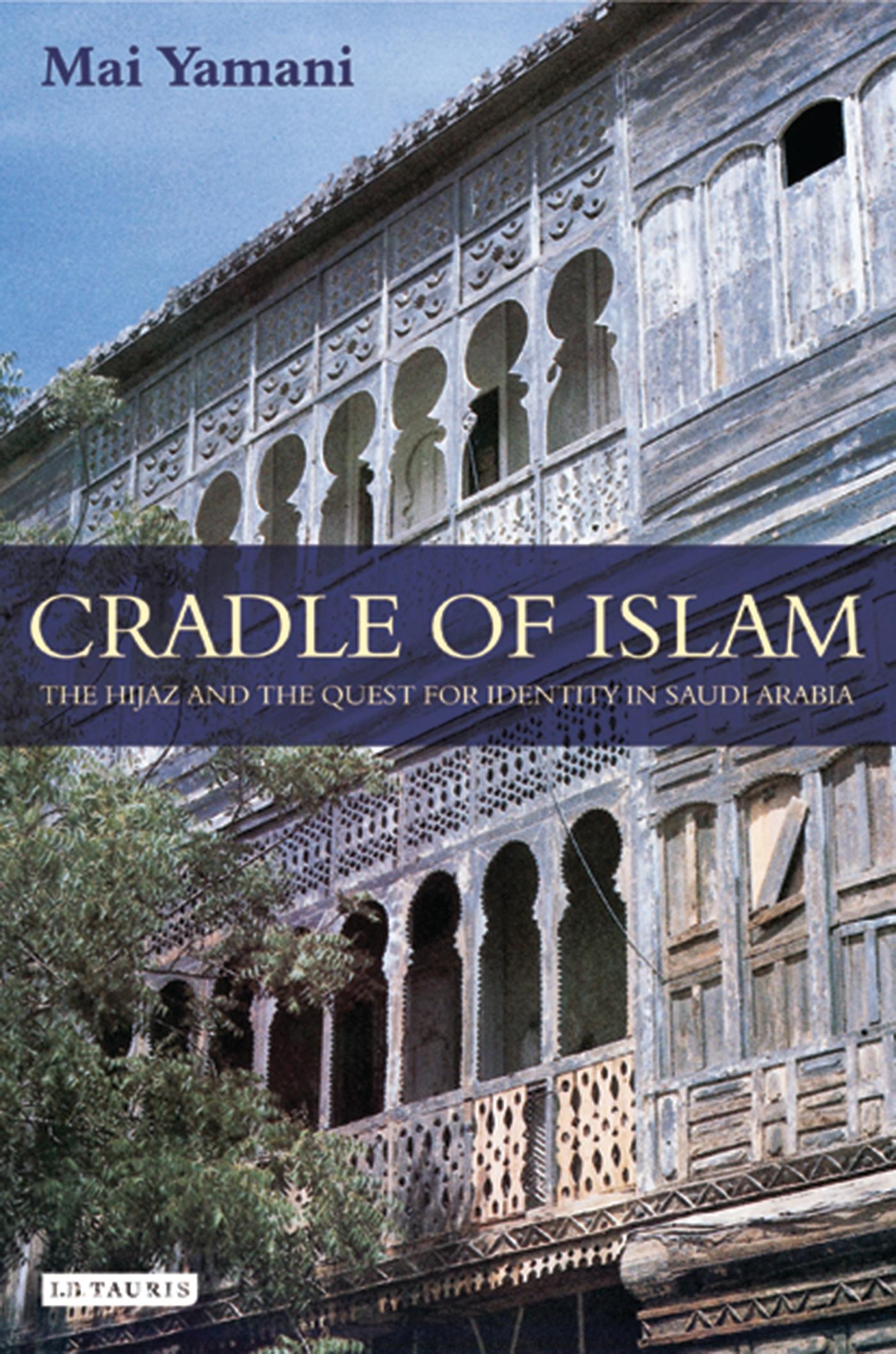
Is Saudi Arabia really a homogeneous Wahhabi dominated state? In 1932 the Al Saud family incorporated the kingdom of Hijaz, once the cultural hub of the Arabian world, in to the kingdom of Saudi Arabia. The urban, cosmopolitan Hijazis were absorbed in to a new state whose codes of behavior and rules were determined by the Najdis, an ascetic desert people, from whom the Al Saud family came. But the Saudi rulers failed to fully integrate the Hijaz, which retains a distinctive identity to this day. In "Cradle of Islam", the product of years spent in Mecca, Medina, Jeddah and Taif, Mai Yamani traces the fortunes of the distinctive and resilient culture of the Hijazis, from the golden age of Hashemite Mecca to Saudi domination to its current resurgence. The Hijazis today emphasise their regional heritage in religious ritual, food, dress and language as a response to the 'Najdification' of everyday life. The Hijazi experience shows the vitality of cultural diversity in the face of political repression in the Arab world.
Betaal eenvoudig met kaart, Klarna, Apple Pay of Google Pay. Niet tevreden? Je hebt altijd 14 dagen bedenktijd. Lees meer in onze voorwaarden. Heb je vragen, mail ons dan via hello@memmo.org.
Memmo maakt studeren makkelijker – waar je ook bent ter wereld. Wij brengen je cursusboeken en slimme studietools samen op één plek: samenvattingen, quizzen, podcasts en flashcards. En Ted, je studievriend die antwoord geeft op alles wat je je afvraagt. Meer dan 50.000 studenten studeren hier al – gebouwd om je sneller te laten leren en minder stress te geven.