
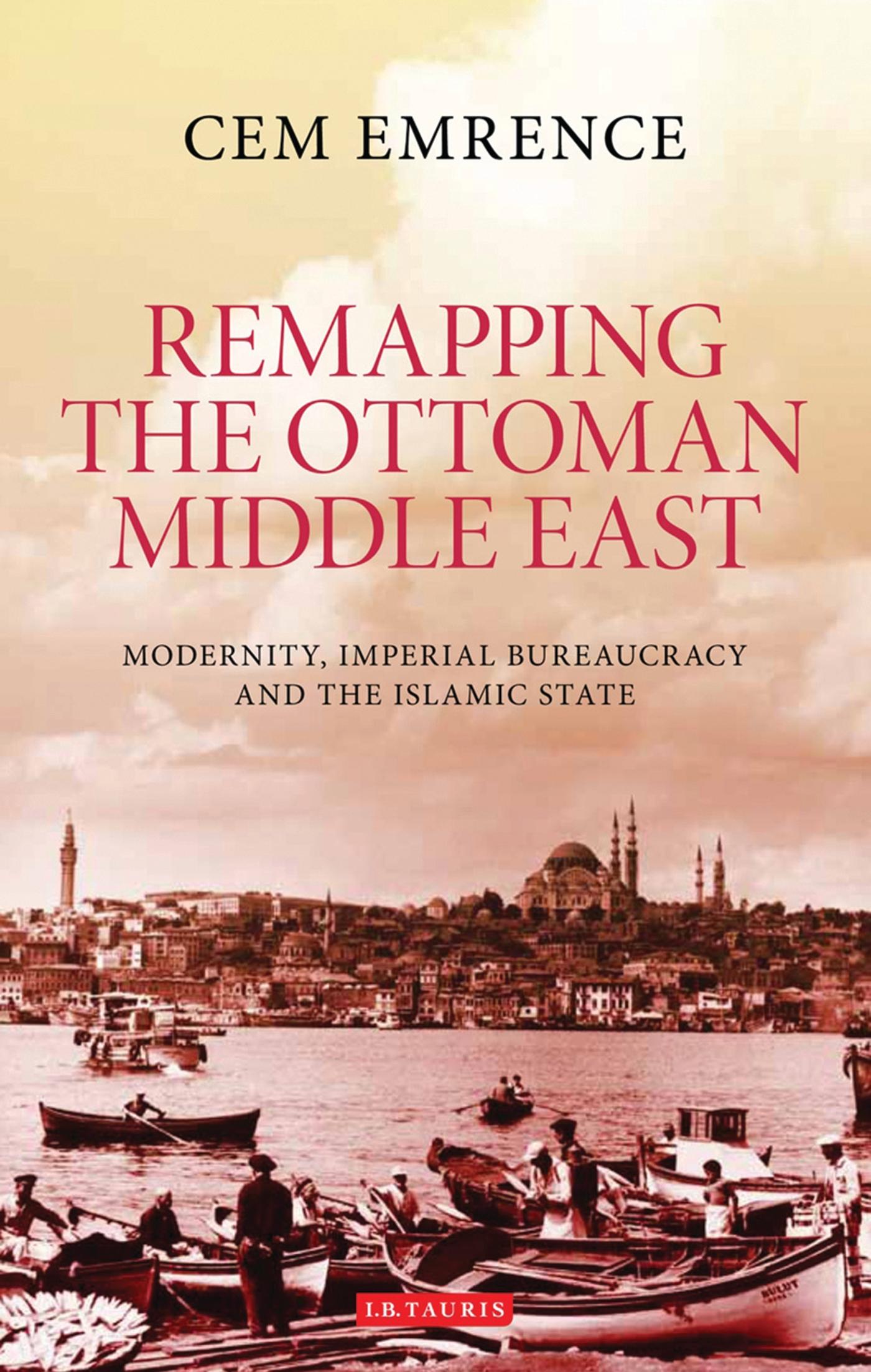
As a result of the formation of the modern Turkish state, nationalist narratives of the Ottoman Empire's collapse are commonplace. Remapping the Ottoman Middle East, on the other hand, examines alternative and disparate routes to modernity during the nineteenth century. Pursuing a comparison of different regions of the empire, this book demonstrates that the Ottoman imperial universe was shaped by three distinct and simultaneous narratives: market relations in its coastal areas; imperial bureaucracy in the cities of central Anatolia, Syria and Palestine; and Islamic trust networks in the frontier regions of the Arabian Peninsula. In weaving together these localized developments, Cem Emrence departs from narratives of state centralism and suggests that a comprehensive way of understanding the late Ottoman world and its legacy should start from exploring regionally-constituted and network-based historical trajectories. Introducing a persuasive new model for understanding the late Ottoman world, this book will be essential reading for historians of the Ottoman Empire.
Betaal eenvoudig met kaart, Klarna, Apple Pay of Google Pay. Niet tevreden? Je hebt altijd 14 dagen bedenktijd. Lees meer in onze voorwaarden. Heb je vragen, mail ons dan via hello@memmo.org.
Memmo maakt studeren makkelijker – waar je ook bent ter wereld. Wij brengen je cursusboeken en slimme studietools samen op één plek: samenvattingen, quizzen, podcasts en flashcards. En Ted, je studievriend die antwoord geeft op alles wat je je afvraagt. Meer dan 50.000 studenten studeren hier al – gebouwd om je sneller te laten leren en minder stress te geven.