
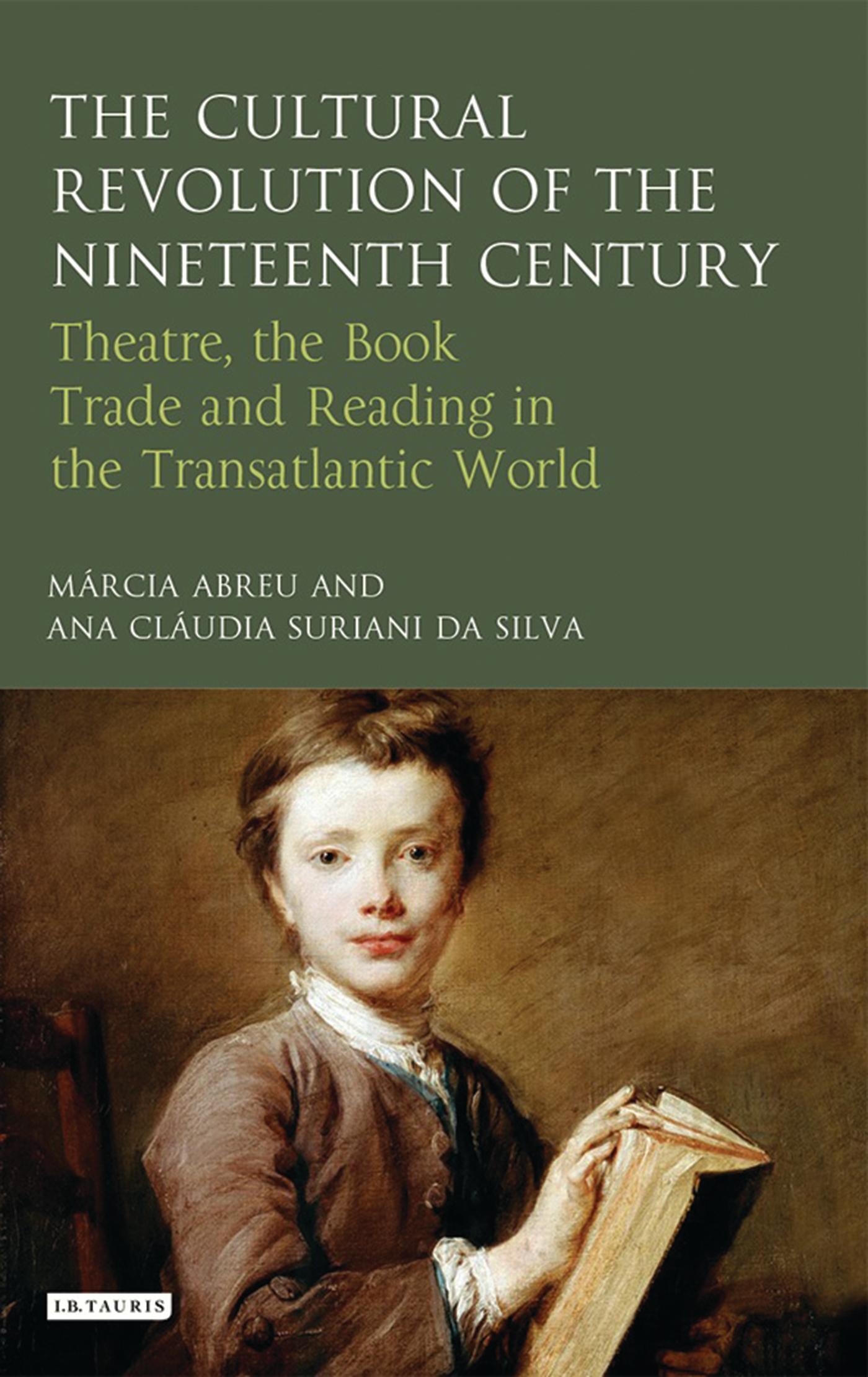
The beginnings of what we now call 'globalization' dates from the early sixteenth century, when Europeans, in particular the Iberian monarchies, began to connect 'the four parts of the world'. From the end of the eighteenth and throughout the nineteenth centuries, technical advancements, such as the growth of the European rail network and the increasing ease of international shipping, narrowed the physical and imagined distances between different parts of the globe. Books, printed matter and theatrical performances were a crucial part of this process and the so-called 'long nineteenth century' saw a remarkable increase in readership and technological improvements that significantly changed the production of printed matter and its relationship with culture. This book analyzes this sea-change in knowledge and sharing of ideas through the prism of the transatlantic diffusion of French, Brazilian, Portuguese and English print-cultures. In particular, it charts the circulation of printed matter, publishers, booksellers and actors between Europe and South America. Featuring a new original essay from Roger Chartier, The Cultural Revolution of the 19th Century is an essential new benchmark in global and transnational history.
Betaal eenvoudig met kaart, Klarna, Apple Pay of Google Pay. Niet tevreden? Je hebt altijd 14 dagen bedenktijd. Lees meer in onze voorwaarden. Heb je vragen, mail ons dan via hello@memmo.org.
Memmo maakt studeren makkelijker – waar je ook bent ter wereld. Wij brengen je cursusboeken en slimme studietools samen op één plek: samenvattingen, quizzen, podcasts en flashcards. En Ted, je studievriend die antwoord geeft op alles wat je je afvraagt. Meer dan 50.000 studenten studeren hier al – gebouwd om je sneller te laten leren en minder stress te geven.