
I.B.Tauris in association with the Institute of Ismaili Studies
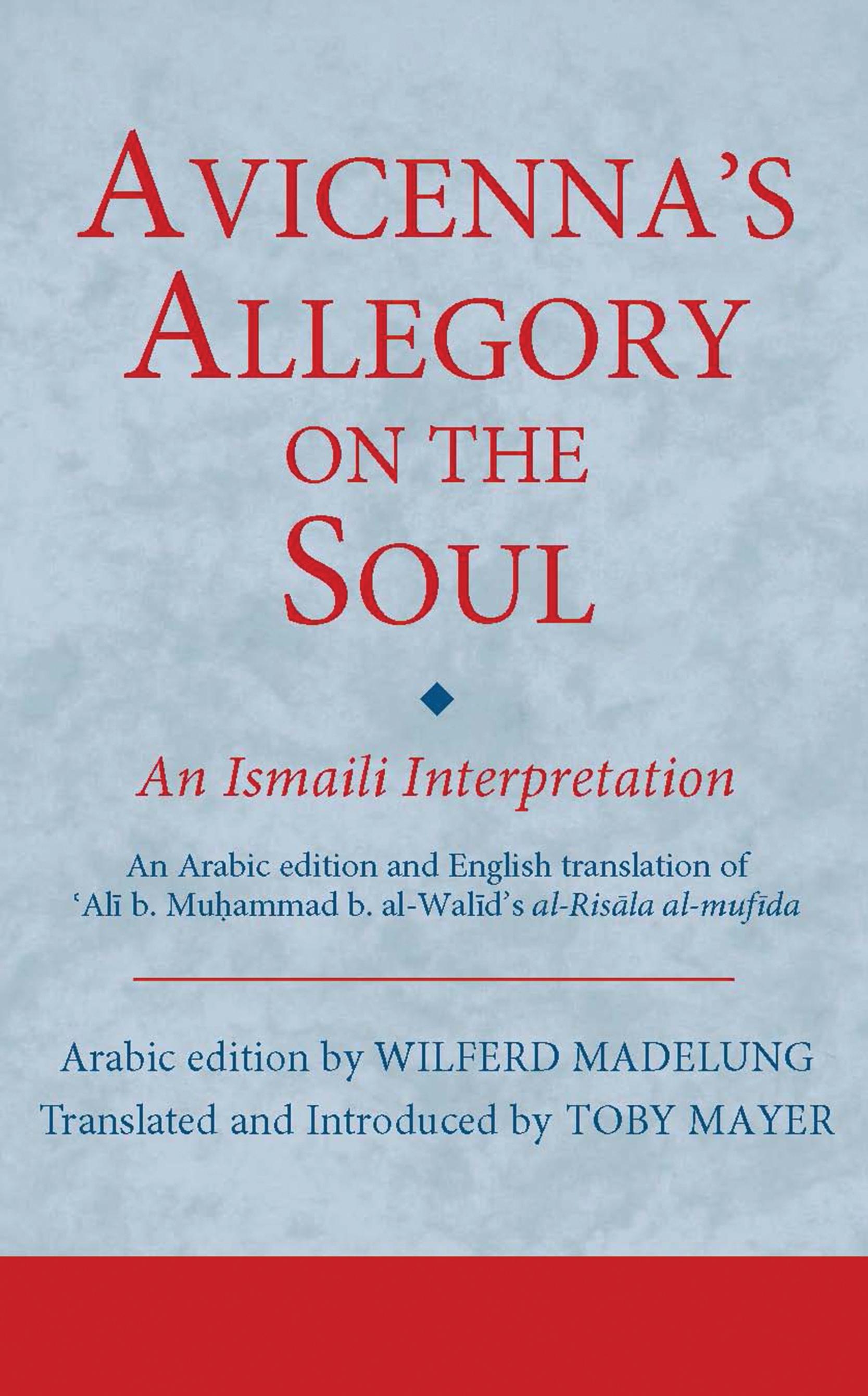
The Persian philosopher Ibn Sina (d. 1037), known in Europe as Avicenna, was arguably the greatest master of Aristotelian thought in the Muslim world. The symbolical Poem on the Soul (Qasidat al-nafs), which portrays all earthly human souls as in temporary exile from heaven, is traditionally attributed to Avicenna, and was received with enthusiasm by its commentators. A highly significant commentary on the Qasida was written by ?Ali b. Muhammad b. al-Walid (d. 1215 CE), a major early representative of the Tayyibi Ismaili tradition, which emerged and flourished in medieval Yemen. In his view, the poem encapsulated Tayyibi beliefs, whose doctrines bear striking parallels with late antique Gnosticism. Avicenna s Allegory on the Soul presents the first edition of the Arabic text of Ibn al-Walid s commentary, The Useful Epistle (al-Risala al-mufida), alongside an English translation and extended introduction. It offers invaluable insight into the intricacies of Muslim thought and a deeper understanding of Avicenna s substantial intellectual legacy."
The Persian philosopher Ibn Sina (d. 1037), known in Europe as Avicenna, was arguably the greatest master of Aristotelian thought in the Muslim world. The symbolical Poem on the Soul (Qasidat al-nafs), which portrays all earthly human souls as in temporary exile from heaven, is traditionally attributed to Avicenna, and was received with enthusiasm by its commentators. A highly significant commentary on the Qasida was written by ?Ali b. Muhammad b. al-Walid (d. 1215 CE), a major early representative of the Tayyibi Ismaili tradition, which emerged and flourished in medieval Yemen. In his view, the poem encapsulated Tayyibi beliefs, whose doctrines bear striking parallels with late antique Gnosticism. Avicenna s Allegory on the Soul presents the first edition of the Arabic text of Ibn al-Walid s commentary, The Useful Epistle (al-Risala al-mufida), alongside an English translation and extended introduction. It offers invaluable insight into the intricacies of Muslim thought and a deeper understanding of Avicenna s substantial intellectual legacy."
Pagina's: 224
Categorie: Filosofi
e-ISBN: 9780857729668
Verzendgewicht: 1.2 kg
Verzending binnen: 1-2 dagen
Betaal eenvoudig met kaart, Klarna, Apple Pay of Google Pay. Niet tevreden? Je hebt altijd 14 dagen bedenktijd. Lees meer in onze voorwaarden. Heb je vragen, mail ons dan via hello@memmo.org.
Memmo maakt studeren makkelijker – waar je ook bent ter wereld. Wij brengen je cursusboeken en slimme studietools samen op één plek: samenvattingen, quizzen, podcasts en flashcards. En Ted, je studievriend die antwoord geeft op alles wat je je afvraagt. Meer dan 50.000 studenten studeren hier al – gebouwd om je sneller te laten leren en minder stress te geven.