
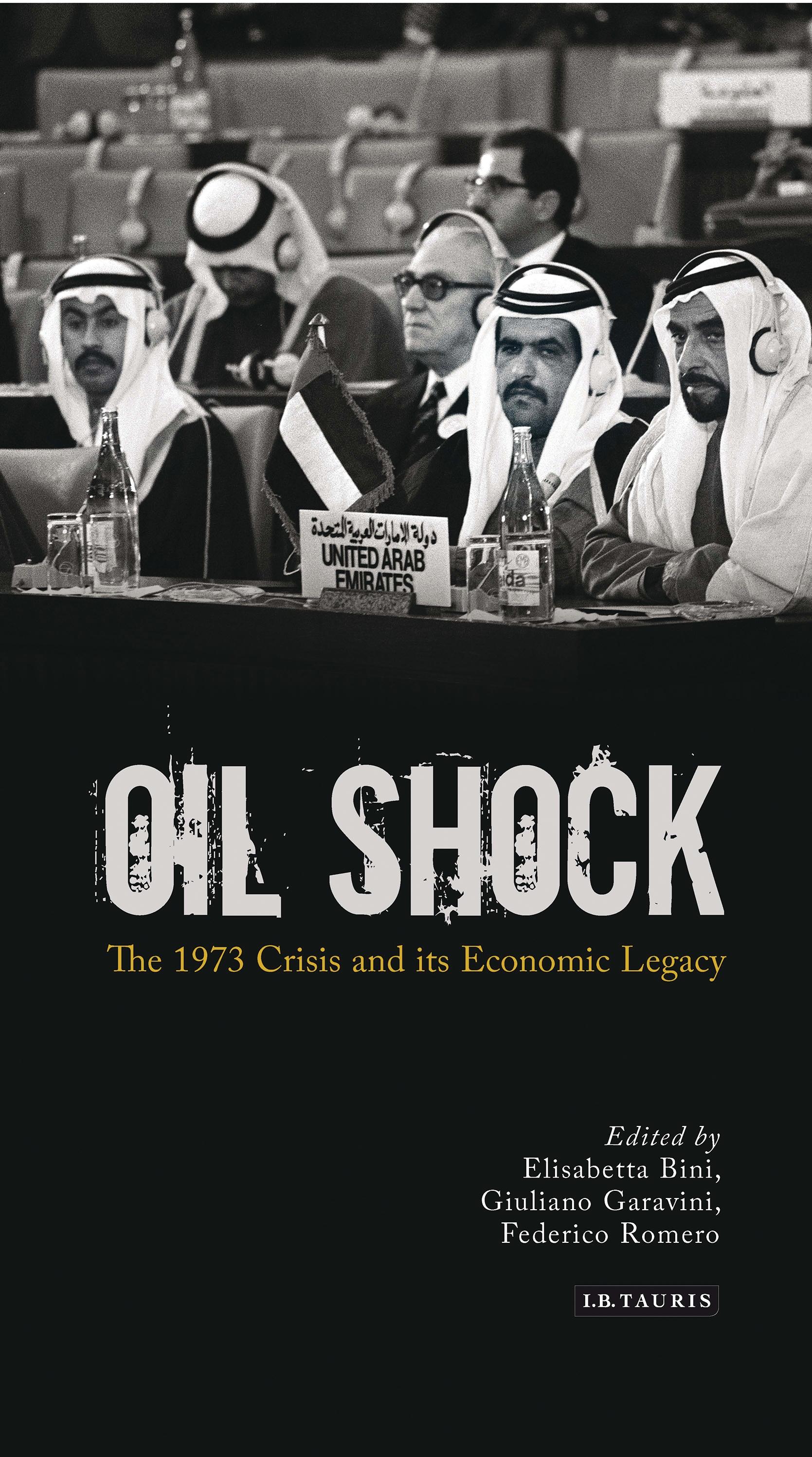
The 1973 'Oil Shock' is considered a turning point in the history of the twentieth century. At the time it seemed to mark a definitive shift from the era of low priced oil to the era of expensive oil. For most Western industrialized countries, it became the symbolic marker of the end of an era. For many oil producers, it translated into an unprecedented control over their energy resources, and completed the process of decolonization, leading to a profound redefinition of international relations.This book provides an analysis of the crisis and its global political and economic impact. It features contributions from a range of perspectives and approaches, including political, economic, environmental, international and social history. The authors examine the origins of what was defined as an 'oil revolution' by the oil-producing countries, as well as the far-reaching effects of the 'shock' on the Cold War and decolonization, on international energy markets and the global economy. In doing so, they help place the event in its historical context as a key moment in the transformation of the international economy and of North-South relations.
Betaal eenvoudig met kaart, Klarna, Apple Pay of Google Pay. Niet tevreden? Je hebt altijd 14 dagen bedenktijd. Lees meer in onze voorwaarden. Heb je vragen, mail ons dan via hello@memmo.org.
Memmo maakt studeren makkelijker – waar je ook bent ter wereld. Wij brengen je cursusboeken en slimme studietools samen op één plek: samenvattingen, quizzen, podcasts en flashcards. En Ted, je studievriend die antwoord geeft op alles wat je je afvraagt. Meer dan 50.000 studenten studeren hier al – gebouwd om je sneller te laten leren en minder stress te geven.