
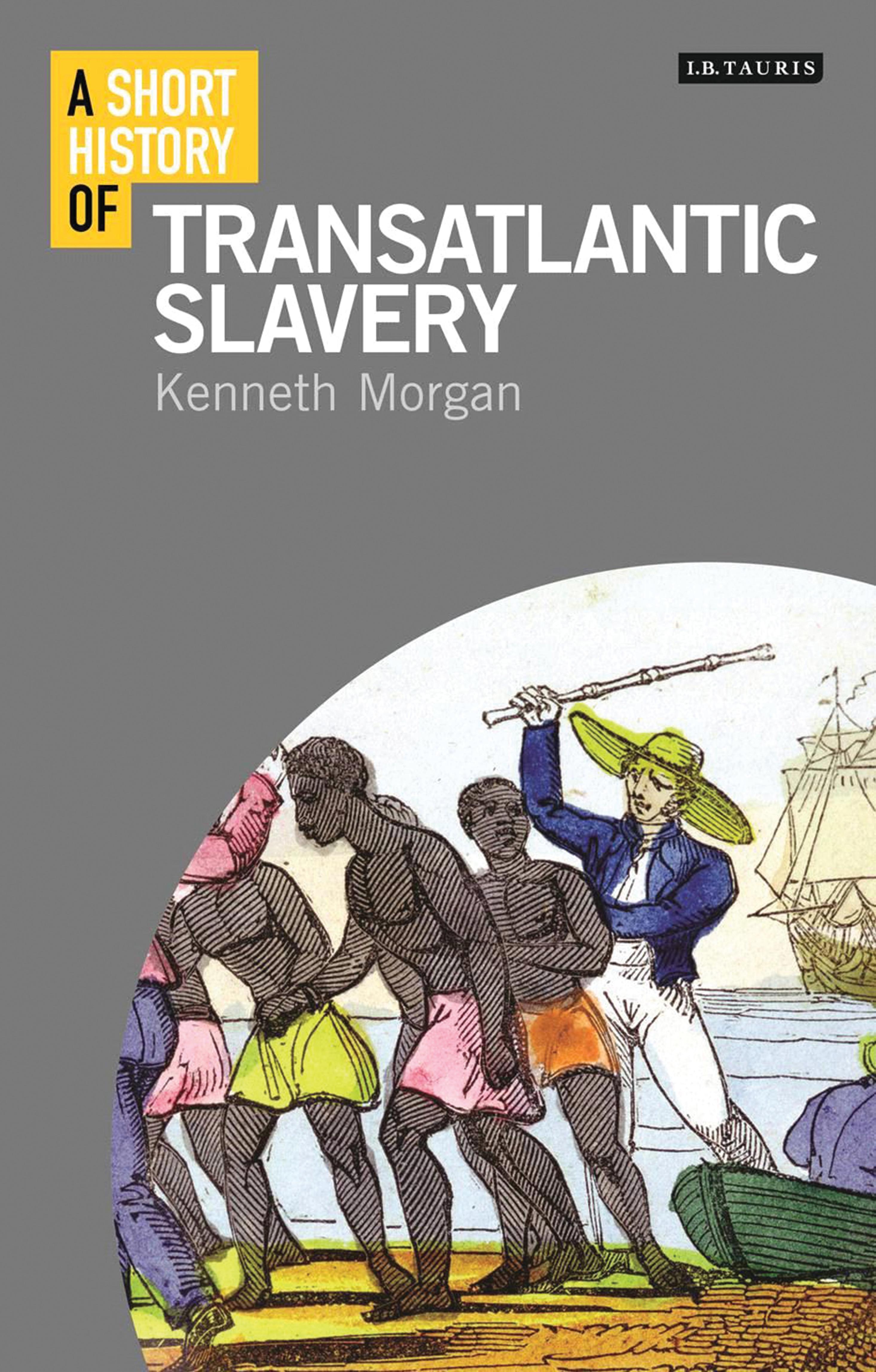
From 1501, when the first slaves arrived in Hispaniola, until the nineteenth century, some twelve million people were abducted from west Africa and shipped across thousands of miles of ocean - the infamous Middle Passage - to work in the colonies of the New World. Perhaps two million Africans died at sea. Why was slavery so widely condoned, during most of this period, by leading lawyers, religious leaders, politicians and philosophers? How was it that the educated classes of the western world were prepared for so long to accept and promote an institution that would later ages be condemned as barbaric? Exploring these and other questions - and the slave experience on the sugar, rice, coffee and cotton plantations - Kenneth Morgan discusses the rise of a distinctively Creole culture; slave revolts, including the successful revolution in Haiti (1791-1804); and the rise of abolitionism, when the ideas of Montesquieu, Wilberforce, Quakers and others led to the slave trade's systemic demise. At a time when the menace of human trafficking is of increasing concern worldwide, this timely book reflects on the deeper motivations of slavery as both ideology and merchant institution.
Betaal eenvoudig met kaart, Klarna, Apple Pay of Google Pay. Niet tevreden? Je hebt altijd 14 dagen bedenktijd. Lees meer in onze voorwaarden. Heb je vragen, mail ons dan via hello@memmo.org.
Memmo maakt studeren makkelijker – waar je ook bent ter wereld. Wij brengen je cursusboeken en slimme studietools samen op één plek: samenvattingen, quizzen, podcasts en flashcards. En Ted, je studievriend die antwoord geeft op alles wat je je afvraagt. Meer dan 50.000 studenten studeren hier al – gebouwd om je sneller te laten leren en minder stress te geven.